

DETALJNIJE
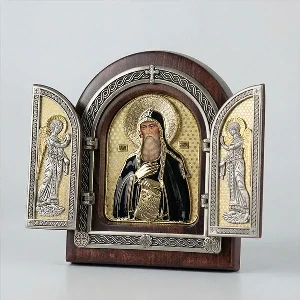
Saint Sava: The Enlightener and First Archbishop of Serbia
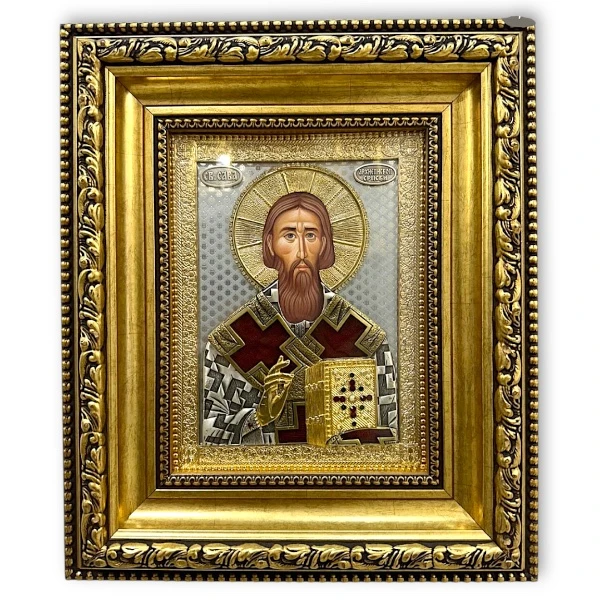
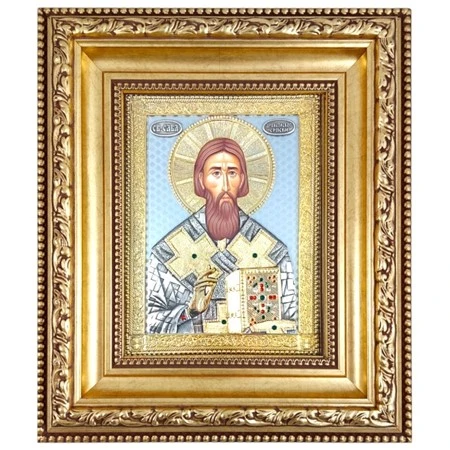
Saint Sava is the most beloved figure in Serbian history, revered as the patron of education, diplomacy, and the church. For the Serbian diaspora in the USA, Canada, and Australia, an icon of Saint Sava is a powerful symbol of identity and a connection to the centuries-old legacy of the Nemanjić dynasty.
Masterpiece of Serbian Craftsmanship:
- Gold & Silver Plating: This icon features detailed metalwork highlighted by brilliant gold and silver finishes, catching the light beautifully during prayer or family gatherings.
- Authentic Tradition: Sourced directly from master workshops in Serbia, ensuring that every detail—from his archbishop's vestments to the Gospel he holds—adheres to strict religious canons.
- Heritage Quality: Designed to be a lasting family heirloom, the durable metal construction and precious plating ensure this icon will be cherished for generations.
International Devotion & Designations:
Revered as a saint of global Orthodoxy and a model of holy leadership, this icon is recognized under its traditional names: Sveti Sava (Serbian), Sfântul Sava al Serbiei (Romanian), Saint Sabas of Serbia (English), and Святитель Савва Сербский (Russian). Whether you are looking for a Sfânt naming day gift for a Romanian friend or fulfilling your Savindan traditions abroad, this icon is a timeless work of faith and history.
Who was Saint Sava?
Saint Sava was a Serbian prince, monk, abbot of Studenica monastery, writer, diplomat and the first archbishop of the autocephalous Serbian Orthodox Church. He was born as Rastko Nemanjić, the youngest son of the great prefect Stefan Nemanja, and the brother of Vukan and Stefan Prvovenčani.
By educating future officials of the Orthodox Church, he gained great merit for the development of education and education among Serbs in the Middle Ages. In Serbia and Republika Srpska, the day of his death (January 27 according to the new calendar) is celebrated as the Day of Education.
Sava's cult among the people was strong. After an uprising of the Serbs against the Ottoman Empire, the Turkish commander Sinan Pasha ordered the burning of the relics of Saint Sava in Vračar, probably in 1594. The Church of Saint Sava, the largest Orthodox place of worship among the Serbs.
Recommended
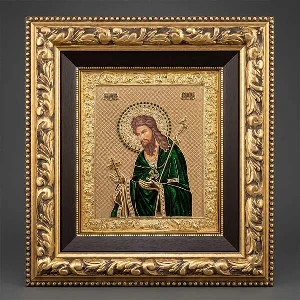
Saint John the Baptist Massive Metal Icon 61 x 52 cm
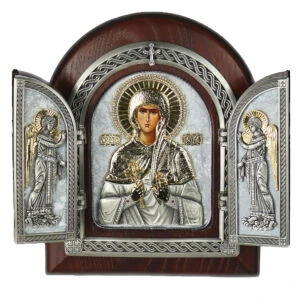
Saint Paraskeva Triptych – Gilded Icon of the Holy Mother Petka - 22x18
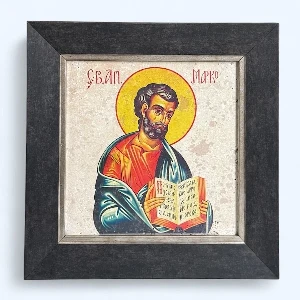
ICON ON STONE SAINT MARK
Saint Luke icon - Gilded icon - (41 x 33 cm)

Saint Basil of Ostrog Icon – 61x52 cm