

DETALJNIJE
Saint George the Warrior: The Spirit of Đurđic
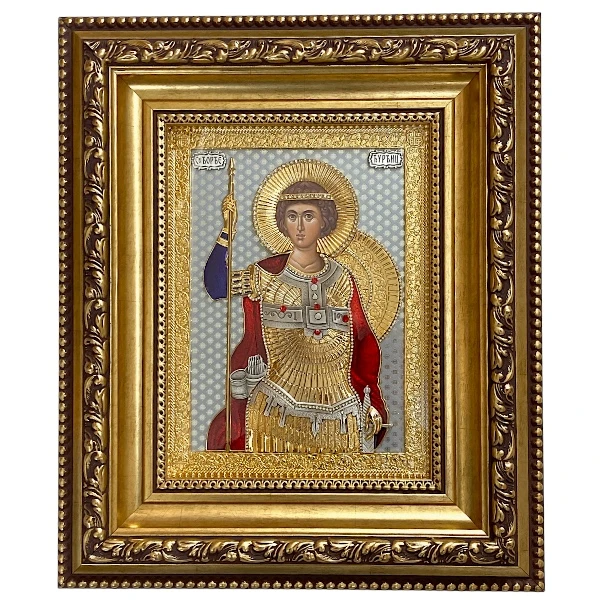
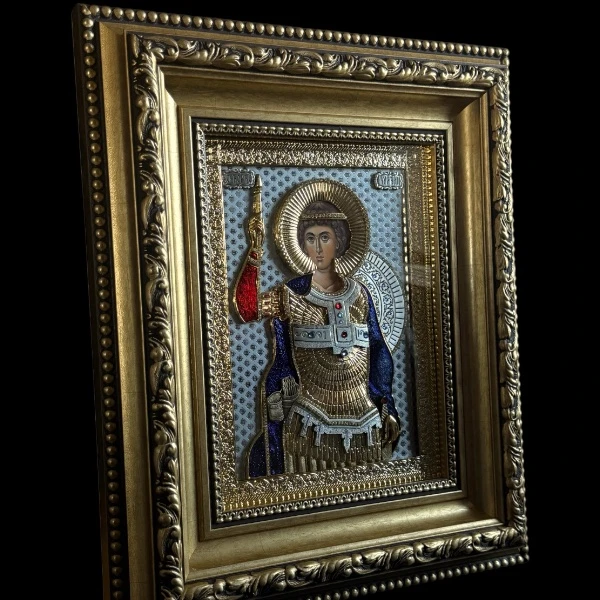
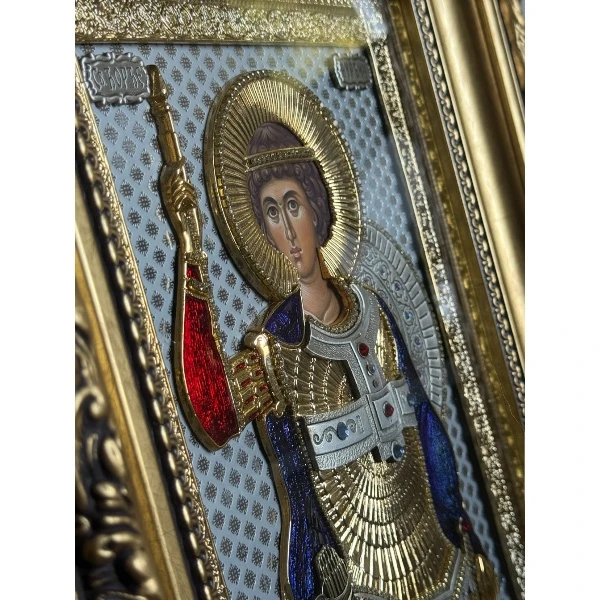
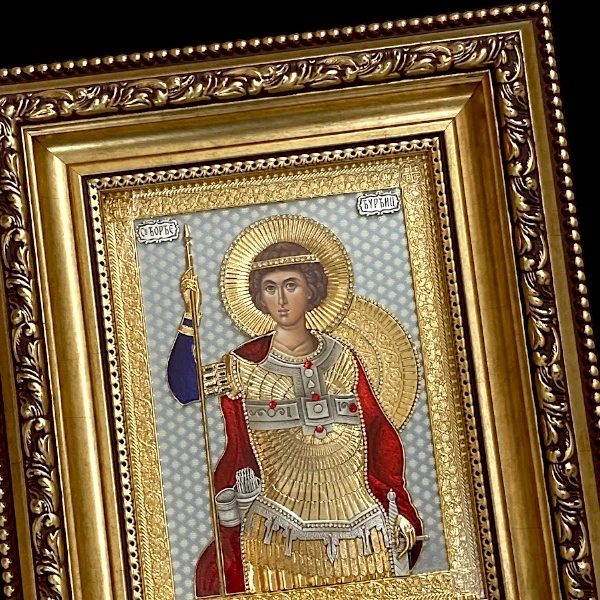
In the Serbian Orthodox tradition, Saint George is celebrated twice a year. The Đurđic icon (November 16th) typically depicts the saint as a powerful standing soldier rather than on horseback. This icon serves as a constant reminder of courage, faith, and divine protection over the household.
Exceptional Quality for the Diaspora:
- High-Resolution Metal Print: Using advanced photo-on-metal technology, this icon offers vibrant colors and lifelike details that traditional prints cannot achieve. It is resistant to fading, ensuring it remains a family treasure for years.
- Authentic Heritage: Sourced directly from Serbia, this icon connects the diaspora in the USA, Canada, and Australia to their roots with a piece of art that adheres to religious canons.
- The Perfect Gift: Ideal for housewarmings, baptisms, or as a primary Slava icon. It comes professionally packaged and ready to be displayed with pride.
International Devotion & Designations:
Revered as one of the most powerful "Warrior Saints," this icon is a prime choice for the global community, recognized as: Sveti Georgije / Đurđic (Serbian), Sfântul Mare Mucenic Gheorghe (Romanian), Agios Georgios (Greek), and Святой Георгий (Russian). Whether you are looking for a Sfânt naming day gift for a Romanian friend or fulfilling your Serbian Slava traditions abroad, this icon is a timeless symbol of victory and faith.
Saint George or Saint George was a Roman soldier in the guard of Emperor Diocletian, who was martyred during the persecution of Christians.
Who was Saint George ?
In Christianity (Eastern and Western) he is celebrated as Saint George. In art, he is often depicted slaying a dragon.
According to the number of those who celebrate him, St. George is the second saint in Serbia (after St. Nicholas).
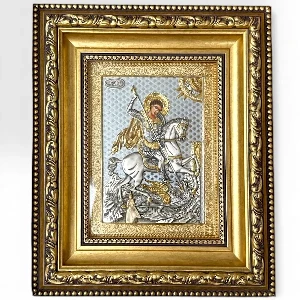
He is highly celebrated by Serbs, and he is often called Saint Đurađ, and he is celebrated twice a year: on St. George's Day, May 6, and Đurđić, November 16. On the icon related to St. George's Day, St. George is shown on a horse killing a dragon, while for St. George's Day, an icon is used that shows St. George as a soldier standing on a field, with a spear in his right hand.
It is believed that he was born in the year 280 in the Asia Minor region of Cappadocia, in a rich and respectable Christian family.
In Christian iconography, Saint George has been depicted since the 7th century as a soldier (without a horse, in a standing position) and with a spear or a sword in his right hand. From the 9th century, another depiction of St. George appears: on a horse, in a ducal suit, slaying a dragon with a spear. In that depiction, next to him, a little further away, there is a female figure in a gentleman's suit standing. It is believed that the woman on the icon is actually Empress Alexandra and that she symbolizes the early Christian church, and that the dragon that George kills symbolizes polytheism. The depiction of St. George slaying the dragon is based on a popular legend from Christian mythology — "George and the Dragon."
Watch our video here:
Recommended
The Virgin Mary Icon – Mother of God 61 x 52 cm
METAL CENSER - GLIDING
Our Lady of Ostrobram Luxurious Metal Icon (42 x 36 cm)
Decorative wooden cross - Larger
Related products