


Glory of St. Ignatius the God-Bearer - Chicken Christmas: Customs and significance
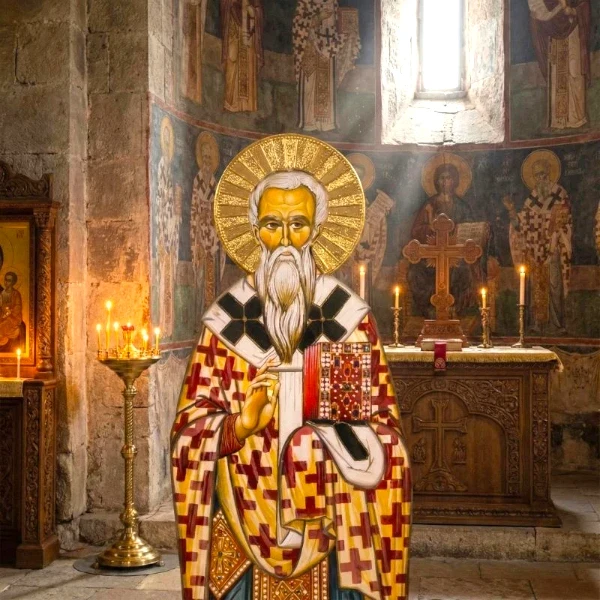
St. Ignatius the God-Bearer - Ignjatijevdan: The First January Slava and "Chicken Christmas"
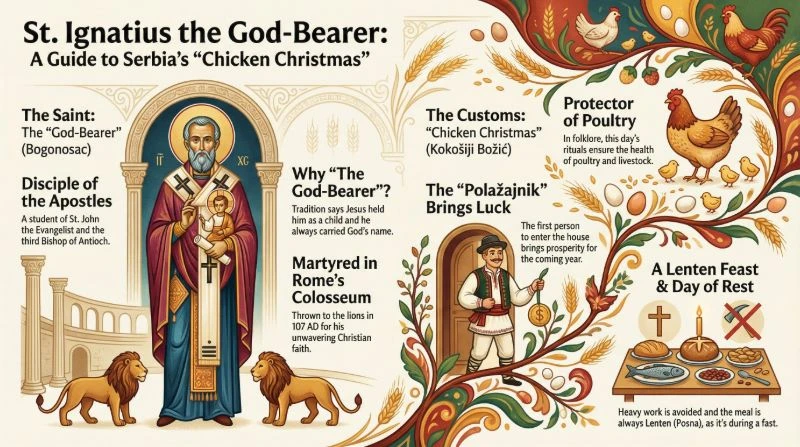
Who was Saint Ignatius the God-Bearer?
Saint Ignatius is called "The God-Bearer" (Bogonosac) because, according to tradition, Jesus Christ took him into His arms as a child and blessed him. Later, Ignatius became the Bishop of Antioch and was remembered for always carrying the name of God in his heart and on his lips. He died a martyr’s death in the Roman Colosseum, where he was thrown to the lions for his unwavering Christian faith.
- Folk Customs: Why "Chicken Christmas"? In Serbian tradition, St. Ignatius is considered the protector of poultry and livestock.
- The Poultry Ritual: Early in the morning, housewives bake a special cake and feed the crumbs to the chickens. This ritual is performed to ensure that the poultry remains healthy and productive throughout the year.
- The "Polažajnik" Tradition: Much like on Christmas Day, the first person to enter the house on St. Ignatius's day is considered a special guest who brings luck and prosperity to the household for the coming year.
- Household Rules: It is traditionally believed that heavy manual labor, especially spinning, sewing, or weaving, should be avoided on this day to ensure the well-being of the home.
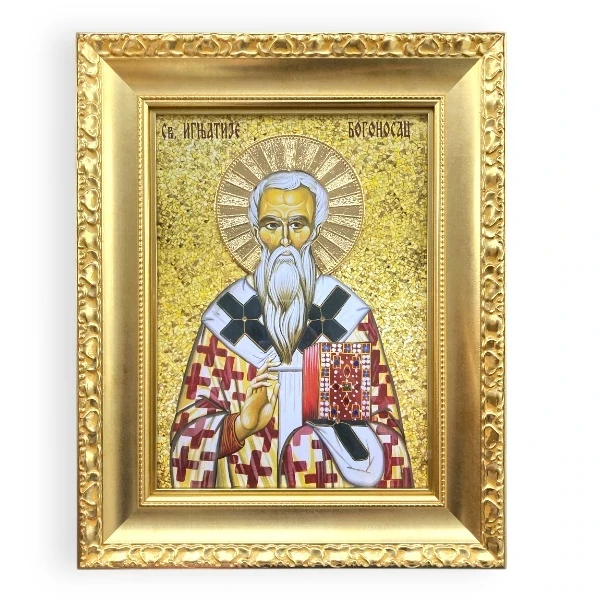
Authentic Icons and Lenten Gifts
Since St. Ignatius always falls within the Nativity Fast, the Slava feast is exclusively Lenten, offering a unique atmosphere of spiritual peace.
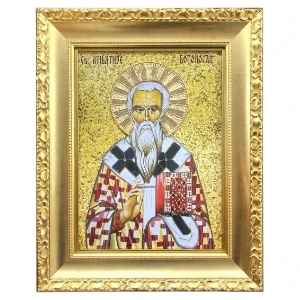
- Icons of the Saint: Icons often depict him among lions, representing his sacrifice and courage. Find a high-quality icon of St. Ignatius for your home in our shop.
- Gifting Traditions: Premium red wine, ceremonial flasks (čutura), or incense burners are ideal gifts for hosts celebrating this day.
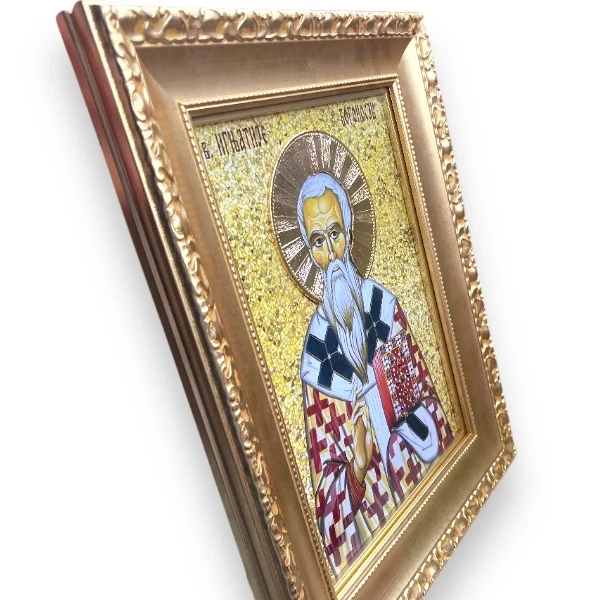
The History and Legacy of St. Ignatius the God-Bearer
Saint Ignatius of Antioch holds a unique place in Christian history as a direct successor to the Apostles. As the third Bishop of Antioch and a disciple of Saint John the Evangelist, he received the mysteries of faith directly from the source. His life and martyrdom are pillars of the early Church. Here is what you should know:
- The Meaning of "God-Bearer": He is called Bogonosac for two reasons. First, tradition holds that Jesus Christ held him as a child and blessed him. Second, Ignatius was known for "bearing God" constantly within his heart and mind through prayer.
- Martyrdom: For refusing to worship Roman idols during the reign of Emperor Trajan, he was sentenced to death. He was transported to Rome, where he was thrown to the lions in the Colosseum in 107 AD. According to tradition, the lions devoured him, but his heart remained untouched—a miracle attesting to his immense love for Christ.
- Spiritual Legacy: He is famous for the seven epistles he wrote to various churches while traveling to Rome in chains. These letters remain vital historical documents regarding the unity of the Church and the importance of faith under persecution.
FAQ – Frequently Asked Questions
Why is Saint Ignatius called the "God-Bearer"?
He is known as the "God-Bearer" (Bogonosac) because, as a child, he was reportedly picked up and blessed by Jesus Christ Himself. It is also said that he constantly carried the name of God in his heart and spirit.
What is the origin of the term "Chicken Christmas"?
In Serbian folklore, this day is called Kokošiji Božić. Saint Ignatius is considered the protector of poultry. Families perform special rituals, such as feeding the chickens a specific ceremonial bread, to ensure the health and productivity of their livestock for the year.
Is the feast of St. Ignatius always Lenten (Posna)?
Yes. Since the feast falls on January 2nd, which is during the Nativity Fast (Advent), the Slava celebration is always prepared with Lenten (vegan/fish) food.
Who is the "Polažajnik" on this day?
The "Polažajnik" is the first person to enter the home on St. Ignatius' day. It is a traditional belief that this guest brings luck and prosperity to the family, much like the special guest on Christmas Day.
Related products
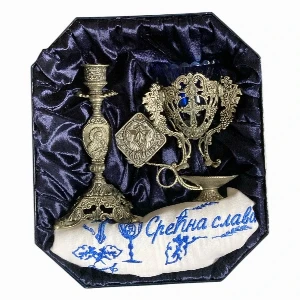
Complete 5-Piece Slava Ritual Set – Antique Silver Patina
Read also
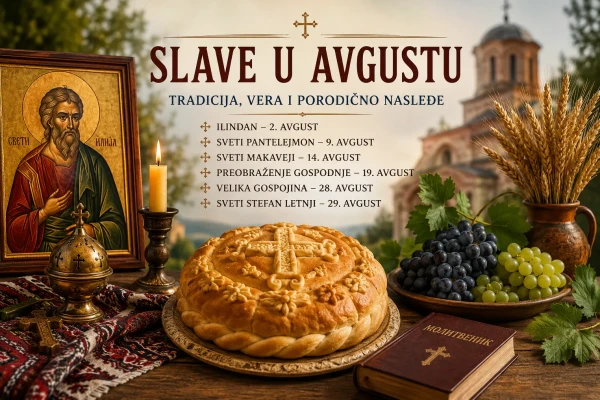
Orthodox Feast Days and Family Slavas in August – Calendar, Traditions and Meaning
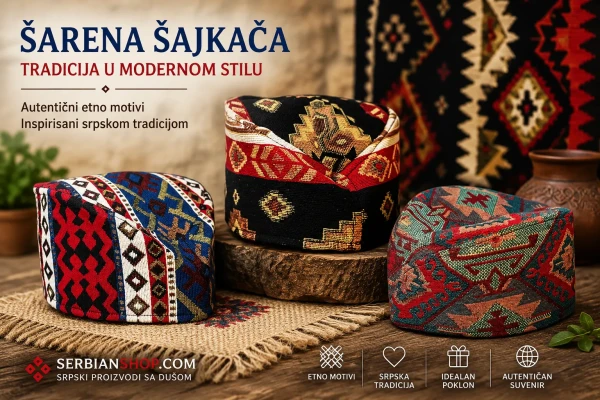
Colorful Šajkača – Serbia's Traditional Hat in a Modern Style

A Guide to Serbian Wedding Customs
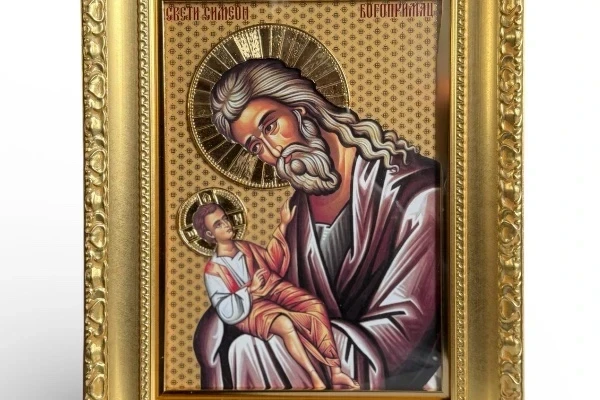
St. Simeon the God-receiver and Anna the Prophetess – The Witnesses of Christ
Saint Simeon the God-receiver: The Righteous Witness of the Promised Messiah
…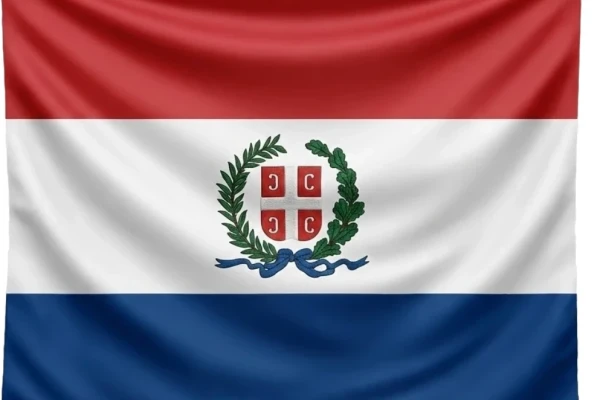
The Meeting of the Lord (Sretenje) – Serbian Statehood Day & Traditions
Sretenje: The Encounter of God and Man & the Celebration of Serbian Liberty
…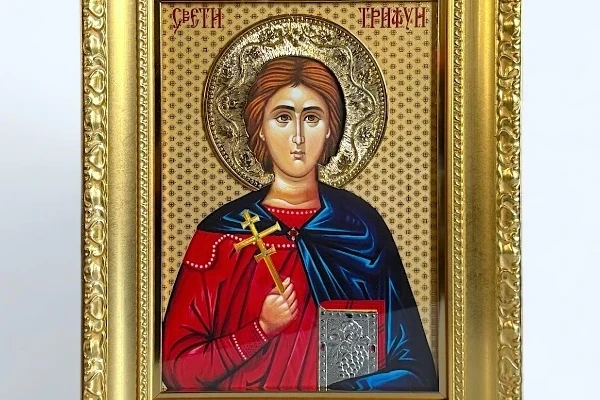
Slava St. Tryphon – Patron of Vineyards, Customs and Tradition
Saint Tryphon: The Guardian of Vineyards and the Orthodox Tradition of Love
…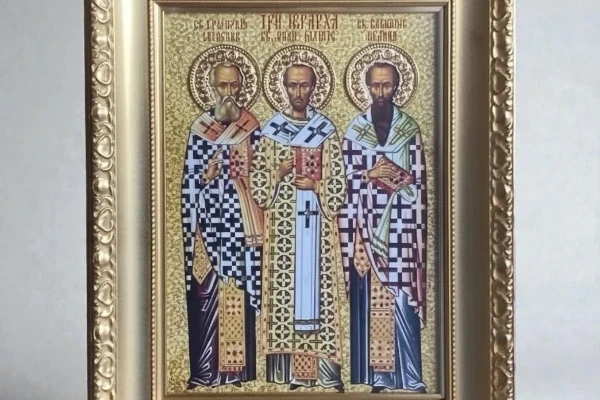
The Three Holy Hierarchs – Basil the Great, Gregory the Theologian, and John Chrysostom
The Three Holy Hierarchs: The Pillars of Orthodox Wisdom and Unity

Serbian Water Polo: Fun Facts, History, and Champions' Gear
When you mention Serbian sports, the first associations with absolute dominance,…
Serbian Slava in February: Celebrating Faith and Identity
February, though the shortest month, is rich with significant Patron Saint Days…