


Orthodox Feast Days and Family Slavas in August – Calendar, Traditions and Meaning
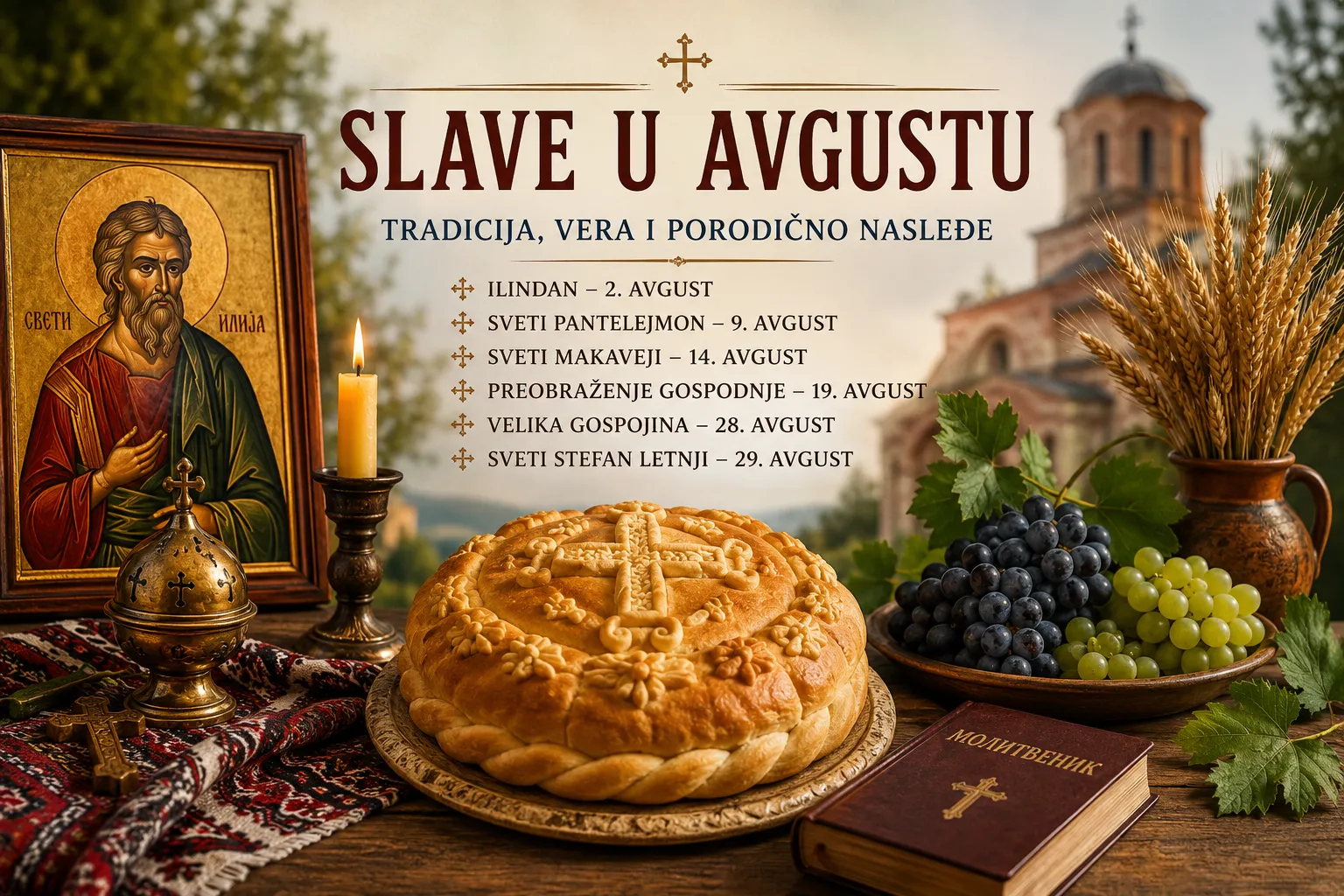
Celebrate in August 2026 - complete calendar, customs and meaning
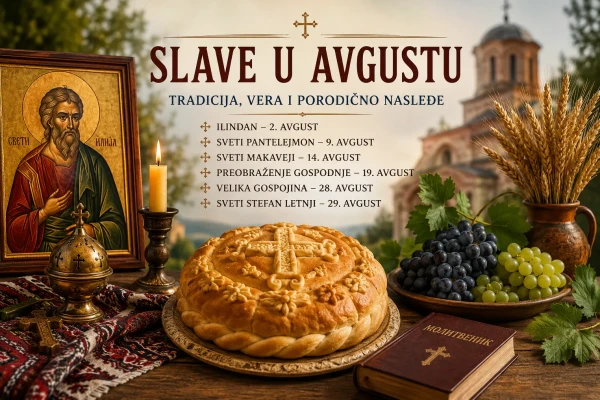
August holds a special place in the Serbian Orthodox calendar. While many associate it with summer holidays, warm weather, and the harvest season, it is also a month of profound spiritual significance. Several important Orthodox feast days and family patron saint celebrations (Slavas) are observed during this time, bringing families together to honor centuries-old traditions.
Among the most important celebrations in August are St. Elijah (Ilindan), St. Panteleimon, The Holy Maccabean Martyrs, The Transfiguration of the Lord, The Dormition of the Most Holy Theotokos (Great Dormition or Velika Gospojina), and The Translation of the Relics of St. Stephen (Summer St. Stephen).
For Serbian families, a Slava is much more than a religious observance. It is a unique family tradition passed down from generation to generation, celebrating the family's patron saint with prayer, hospitality, and a festive gathering. Recognized by UNESCO as part of the Intangible Cultural Heritage of Humanity, Slava is one of the most distinctive elements of Serbian culture and identity.
In this guide, you'll discover the most important Orthodox feast days and family Slavas celebrated in August, their historical and religious significance, traditional customs, and interesting facts that have been preserved throughout Serbian history.
Orthodox Feast Days and Slavas in August – Calendar
| Date | Feast Day |
|---|---|
| August 2 | St. Elijah the Prophet (Ilindan) |
| August 9 | St. Panteleimon the Great Martyr |
| August 14 | The Holy Maccabean Martyrs |
| August 19 | The Transfiguration of the Lord |
| August 28 | The Dormition of the Most Holy Theotokos (Great Dormition / Velika Gospojina) |
| August 29 | The Translation of the Relics of St. Stephen (Summer St. Stephen) |
Why Are August Slavas So Special?
Unlike many winter Slavas, which are celebrated indoors during the colder months, August feast days often have a distinctly summer atmosphere. Across Serbia, churches and monasteries organize pilgrimages, religious processions, fairs, and community gatherings that attract visitors from near and far.
Historically, August also marked the completion of many agricultural activities. As vineyards, orchards, and fields began to yield their harvest, these celebrations became closely connected with gratitude for nature's abundance and prayers for health, prosperity, and family well-being.
Even today, many Serbian villages celebrate their patron saint's day in August with traditional music, local cuisine, and centuries-old customs that continue to bring communities together.
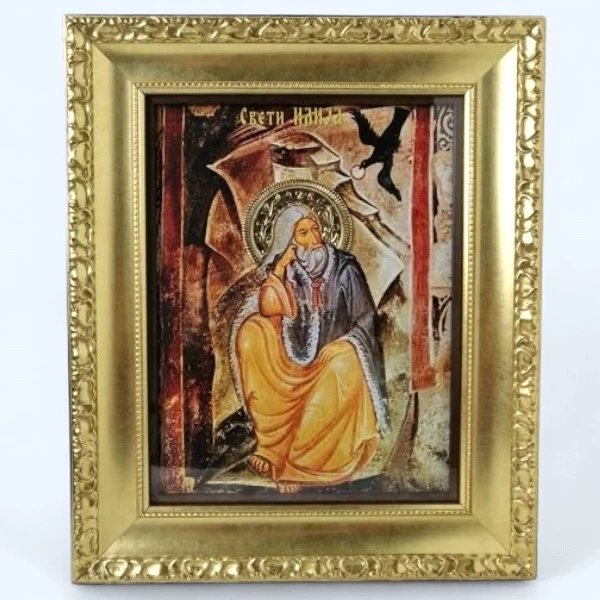
St. Elijah (Ilindan) – August 2
Who Was St. Elijah?
St. Elijah the Prophet is one of the most revered figures of the Old Testament. Living in the 9th century BC, he fearlessly defended the worship of one true God during a time when idolatry had become widespread.
According to the Bible, St. Elijah did not experience death in the usual way. Instead, he was taken up to heaven in a fiery chariot, a powerful image that has inspired countless traditions throughout the Christian world.
In Serbian folklore, St. Elijah is often associated with thunder, lightning, and storms, earning him the reputation as the heavenly protector against destructive weather. While these beliefs belong to folk tradition rather than official Church teaching, they remain an important part of Serbia's cultural heritage.
Traditional Customs
On Ilindan, many Serbian families attend the Divine Liturgy and visit churches dedicated to St. Elijah. In rural areas, large religious festivals and village fairs are often organized in his honor.
Traditionally, heavy physical work—especially fieldwork—is avoided on this day as a sign of respect for the feast.
St. Panteleimon – August 9
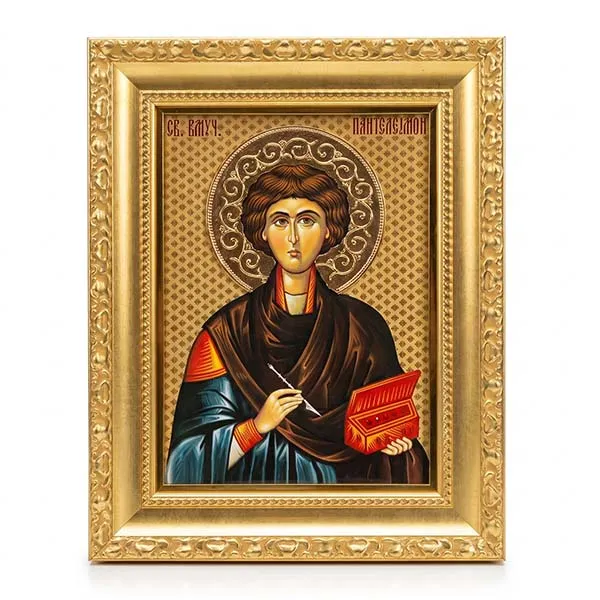
St. Panteleimon was a physician renowned for treating the sick without accepting payment. After embracing Christianity, he devoted his life to caring for the poor and suffering, becoming a symbol of compassion, mercy, and selfless service.
He was eventually martyred during the persecution of Christians in the early 4th century and is now honored as the patron saint of doctors, pharmacists, nurses, and all healthcare professionals.
Many believers visit church on this day to pray for the health and recovery of family members and loved ones.
The Holy Maccabean Martyrs – August 14
The Feast of the Holy Maccabean Martyrs commemorates seven brothers who remained faithful to God despite severe persecution.
For Orthodox Christians, this date also marks the beginning of the Dormition Fast, a two-week period of spiritual preparation leading up to the Feast of the Dormition of the Virgin Mary.
Although shorter than the Great Lent or the Nativity Fast, the Dormition Fast is considered one of the strictest fasting periods in the Orthodox Church, emphasizing prayer, repentance, charity, and spiritual renewal.
The Transfiguration of the Lord – August 19
The Transfiguration is one of the Twelve Great Feasts of the Orthodox Church.
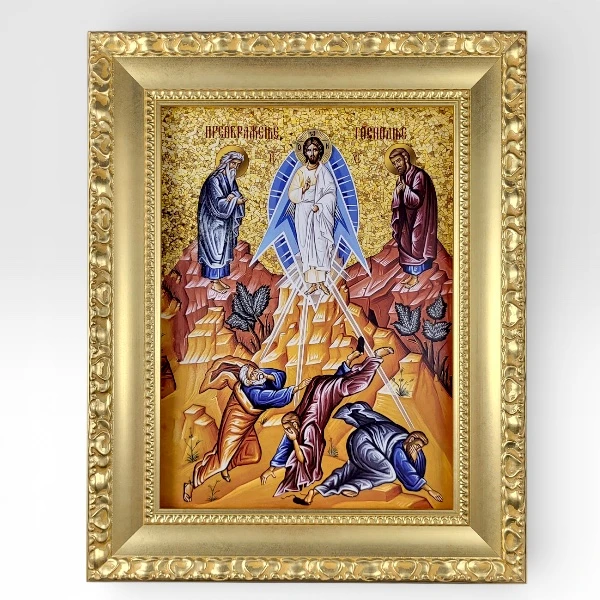
According to the Gospel, Jesus Christ ascended Mount Tabor with His disciples Peter, James, and John. While praying, His appearance was transformed—His face shone like the sun, and His garments became brilliantly white—revealing His divine glory to His disciples.
The feast symbolizes spiritual transformation and the call for every believer to grow closer to God.
Why Don't Serbs Eat Grapes Before the Transfiguration?
One of the best-known Serbian traditions is that grapes are not eaten before the Feast of the Transfiguration.
The first ripe grapes of the season are traditionally brought to church to be blessed before being shared with family and friends. This custom expresses gratitude for God's blessings and the fruits of the earth.
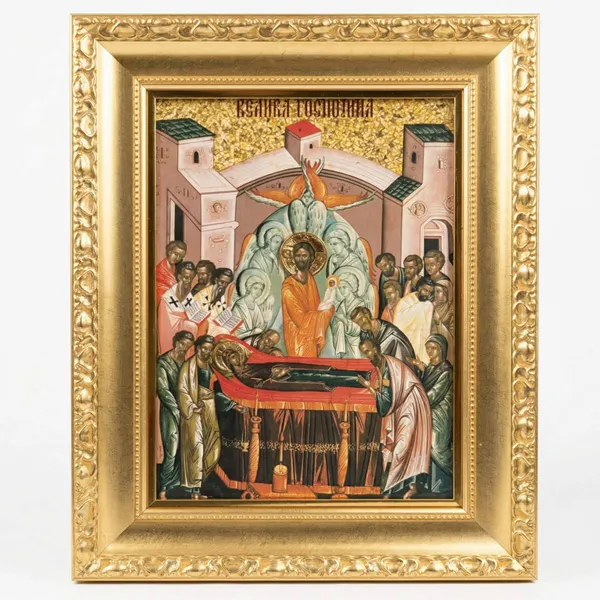
The Dormition of the Most Holy Theotokos (Velika Gospojina) – August 28
The Dormition of the Virgin Mary is one of the greatest feasts dedicated to the Mother of God in the Orthodox Christian tradition.
Many Serbian families celebrate Velika Gospojina as their Slava, while numerous towns and villages observe it as their patron feast day.
The feast also marks the end of the Dormition Fast and symbolizes hope, eternal life, and the promise of resurrection.
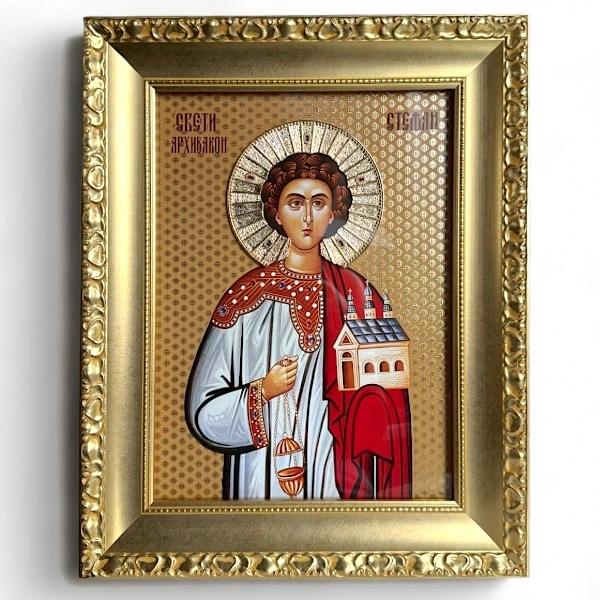
Summer St. Stephen – August 29
The day following the Dormition commemorates the Translation of the Relics of St. Stephen the Protomartyr, commonly known in Serbia as Summer St. Stephen.
Although less widely known internationally, it is an important Slava for many Serbian families and is celebrated with prayer, family gatherings, and traditional hospitality.
Why Is Slava Important in Serbian Culture?
The Serbian Slava is a unique family celebration that has been preserved for centuries. Passed down from parents to children, it honors a family's patron saint and reflects the values of faith, hospitality, gratitude, and respect for ancestors.
Today, Slava remains one of the strongest symbols of Serbian national and cultural identity, celebrated not only in Serbia but also by Serbian communities around the world.
Whether observed in a small family home or a large community gathering, each Slava represents a living tradition that connects generations and preserves the rich spiritual heritage of the Serbian people.
Frequently Asked Questions (FAQ)
What feast days are celebrated in Serbia in August?
The most important August feast days are St. Elijah (Ilindan), St. Panteleimon, the Holy Maccabean Martyrs, the Transfiguration of the Lord, the Dormition of the Most Holy Theotokos (Velika Gospojina), and Summer St. Stephen.
What is a Serbian Slava?
A Slava is a Serbian Orthodox tradition of celebrating a family's patron saint, passed down through generations.
When does the Dormition Fast begin?
The Dormition Fast begins on August 14 and ends on August 28, on the Feast of the Dormition of the Virgin Mary.
Why don't Serbs eat grapes before the Transfiguration?
Traditionally, grapes are first blessed in church on the Feast of the Transfiguration before they are eaten.
Is Velika Gospojina a family Slava?
Yes. Many Serbian Orthodox families celebrate Velika Gospojina as their family Slava.
Who is St. Panteleimon?
St. Panteleimon was a physician and Christian martyr, honored today as the patron saint of healthcare workers.
Related products
Icon on stone - Saint Stephen 30x30 cm
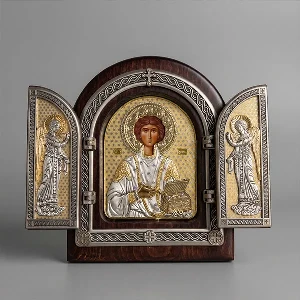
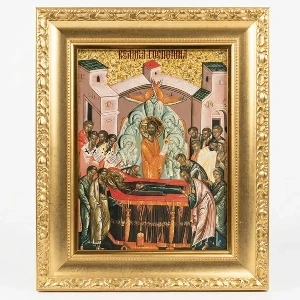
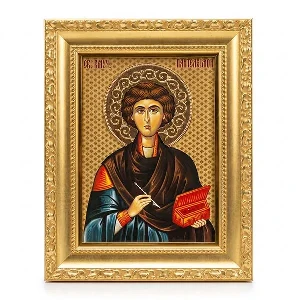
Saint Panteleimon Slava Icon – The Gilded Healing Blessing - (41 x 33 cm)
Read also
Orthodox Feast Days and Family Slavas in August – Calendar, Traditions and Meaning
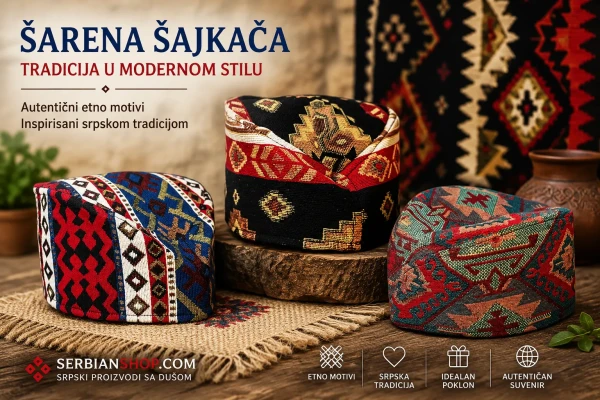
Colorful Šajkača – Serbia's Traditional Hat in a Modern Style
A Guide to Serbian Wedding Customs
St. Simeon the God-receiver and Anna the Prophetess – The Witnesses of Christ
Saint Simeon the God-receiver: The Righteous Witness of the Promised Messiah
…
The Meeting of the Lord (Sretenje) – Serbian Statehood Day & Traditions
Sretenje: The Encounter of God and Man & the Celebration of Serbian Liberty
…
Slava St. Tryphon – Patron of Vineyards, Customs and Tradition
Saint Tryphon: The Guardian of Vineyards and the Orthodox Tradition of Love
…
The Three Holy Hierarchs – Basil the Great, Gregory the Theologian, and John Chrysostom
The Three Holy Hierarchs: The Pillars of Orthodox Wisdom and Unity

Serbian Water Polo: Fun Facts, History, and Champions' Gear
When you mention Serbian sports, the first associations with absolute dominance,…
Serbian Slava in February: Celebrating Faith and Identity
February, though the shortest month, is rich with significant Patron Saint Days…