


Summer Slavas in Serbia: Calendar, Origins, and Traditions
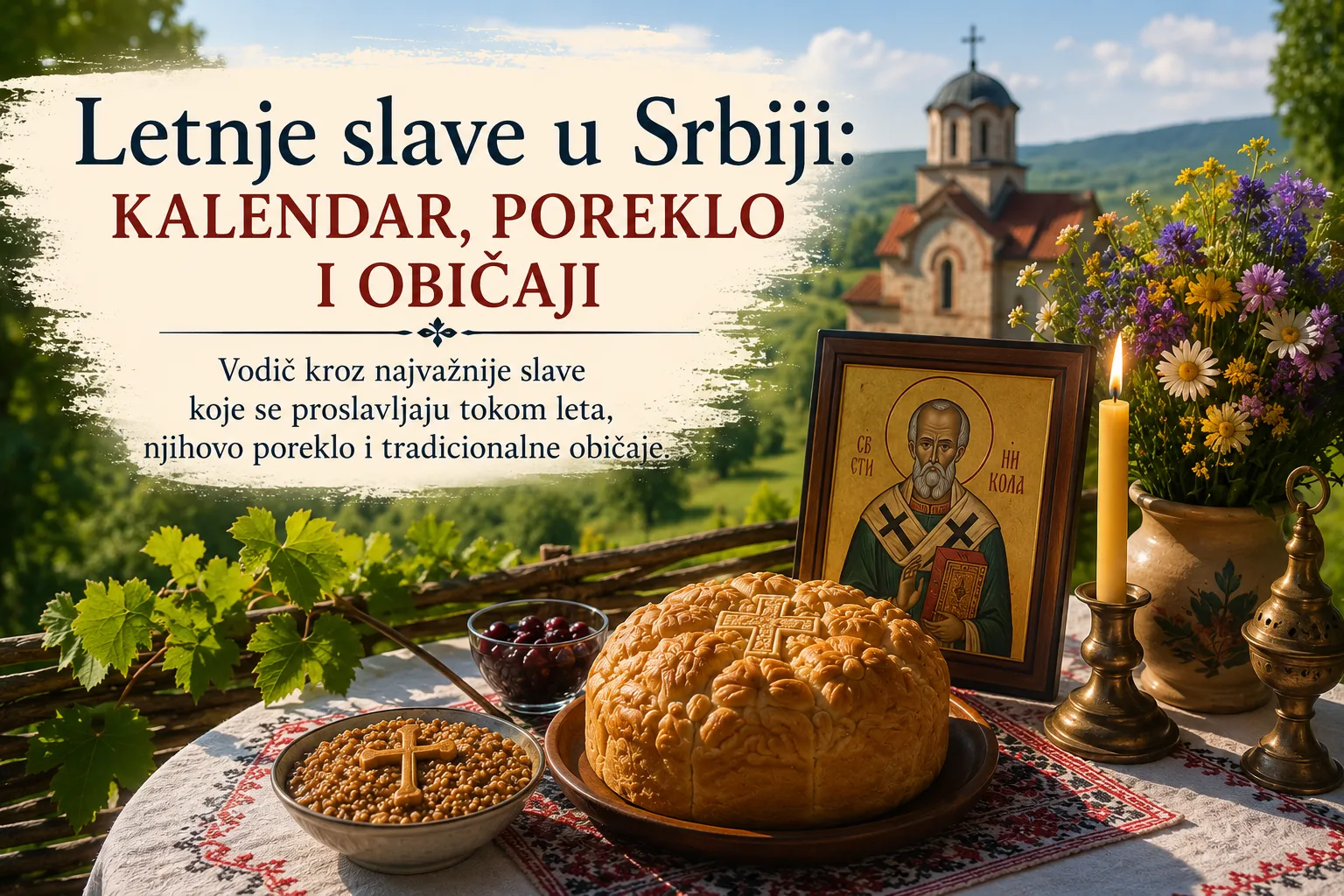
Summer slavas carry just as much weight as their winter counterparts — some, like Vidovdan or Ilindan, even more so, given their historical and spiritual significance.
This guide covers the most important slavas celebrated during the summer months, where they come from, how they're marked, and why they remain a meaningful part of everyday life for Serbian households in 2026 — both within Serbia and across the diaspora.
What Is a Slava, and Why Is It Unique to Serbs
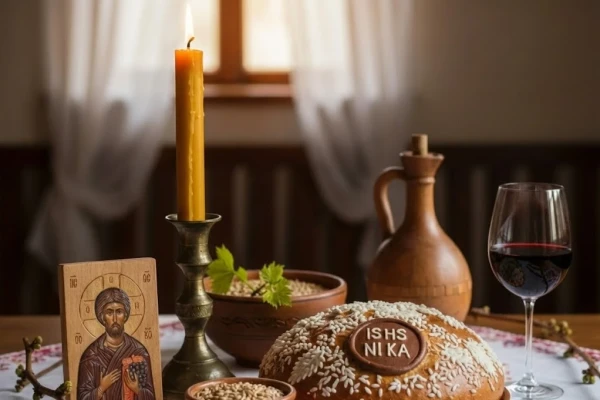
A slava is a day dedicated to a family's patron saint, passed down through generations along the male line of the family. UNESCO has listed it on the Representative List of the Intangible Cultural Heritage of Humanity since 2014, precisely because this particular form of the tradition has no direct equivalent elsewhere. The celebration centers on a ritual bread (slavski kolač), boiled wheat (žito), a candle that burns throughout the day, and a household icon of the patron saint. Guests are welcomed that day, often without a formal invitation — an unwritten rule holds that everyone is welcome at a slava.
Unlike a birthday or anniversary, a slava belongs not to an individual but to an entire household, and it's inherited rather than chosen. For many families, it becomes the one occasion when relatives gather regardless of where they now live — which makes it especially meaningful for Serbs abroad, who often mark their slava thousands of kilometers from home.
Calendar of Summer Slavas — Dates and Saints
The summer period, from June through August, includes several of the most widely celebrated slavas in Serbia.
Vidovdan — June 28
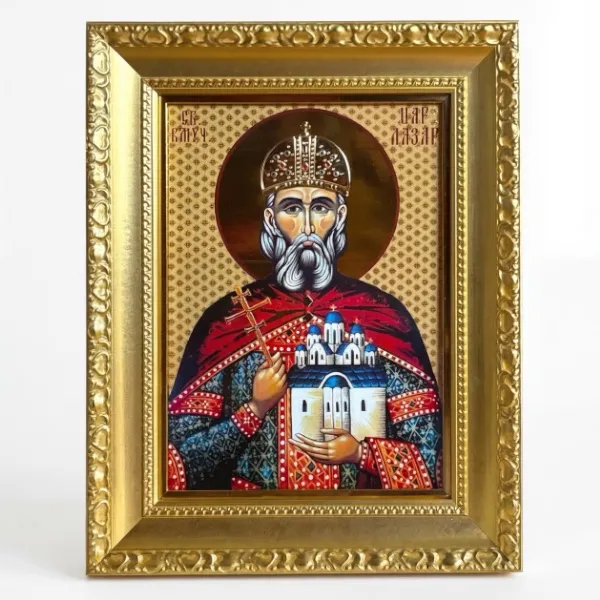
Vidovdan is unusual in that it functions as both a religious and a national historical observance. It commemorates the Battle of Kosovo in 1389 and Prince Lazar, who, according to tradition, chose the "heavenly kingdom" over the earthly one. While relatively few households celebrate it as their family slava, Vidovdan is marked across Serbia as a day of remembrance with deep symbolic weight for national identity.
Ivanjdan — July 7
Dedicated to the birth of St. John the Baptist. In folk tradition it's associated with weaving wreaths, gathering medicinal herbs, and lighting bonfires — customs that symbolically mark the height of summer and trace back to older, pre-Christian beliefs about the power of the summer sun.
Petrovdan — July 12
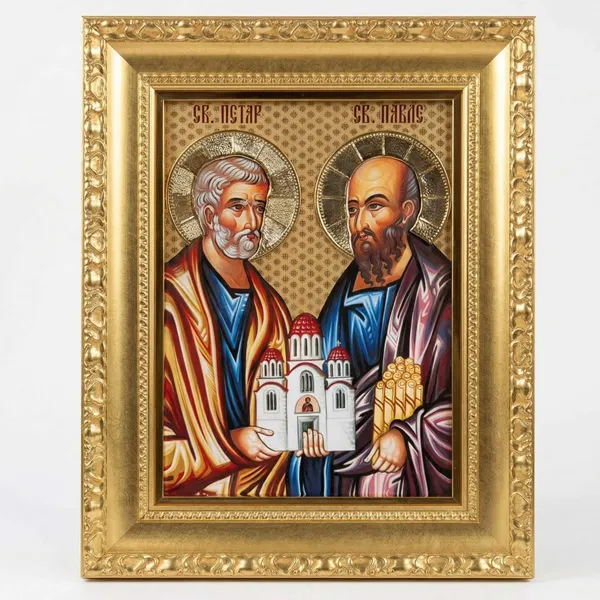
Dedicated to the holy apostles Peter and Paul, Petrovdan is one of the most widely celebrated slavas in Serbia, particularly in central and western regions. It also marks the end of the Apostles' Fast, so the feast table is traditionally richer that day.
Ilindan — August 2
Dedicated to the Prophet Elijah. Folk belief holds that summer "breaks" after Ilindan, with days noticeably shortening afterward. It's widely celebrated, especially in eastern Serbia, and is also associated with thunderstorms, since St. Elijah is traditionally regarded as "master of thunder."
Blaga Marija (St. Mary Magdalene) — August 4
A lesser-known but still observed slava dedicated to Mary Magdalene, marked by a quieter, more modest celebration — hence the name "Blaga" ("gentle").
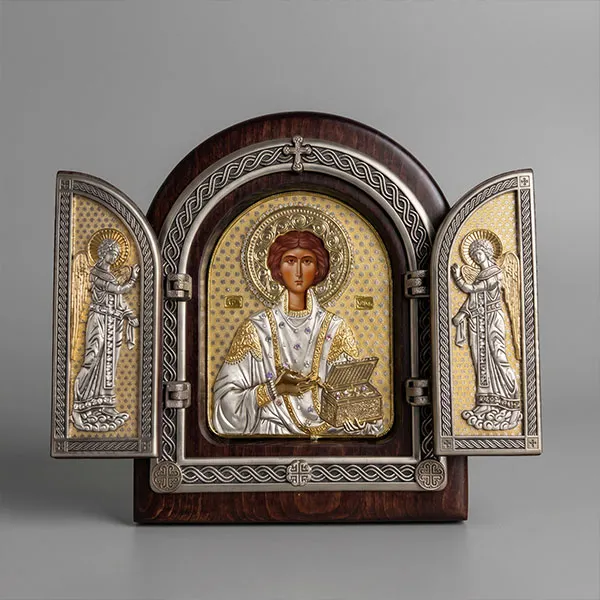
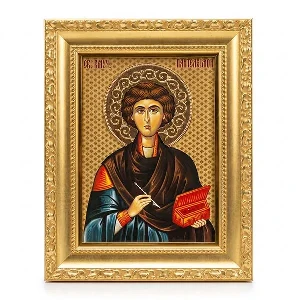
St. Panteleimon — August 9
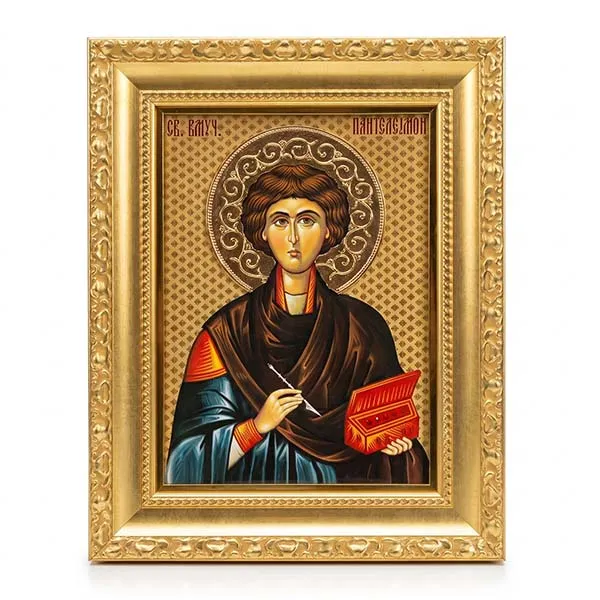
Dedicated to the healer and patron saint of the sick. In many parts of Serbia, this day is also observed as a votive day (zavetni dan), with prayers offered specifically for health.
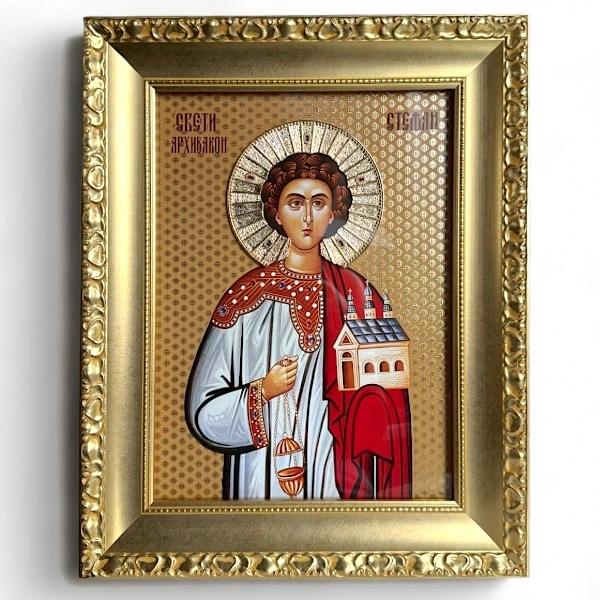
St. Stephen the Summer One (Translation of Relics) — August 15
A lesser-known counterpart to the December Stevandan, part of the same veneration of the first Christian martyr, Stephen.
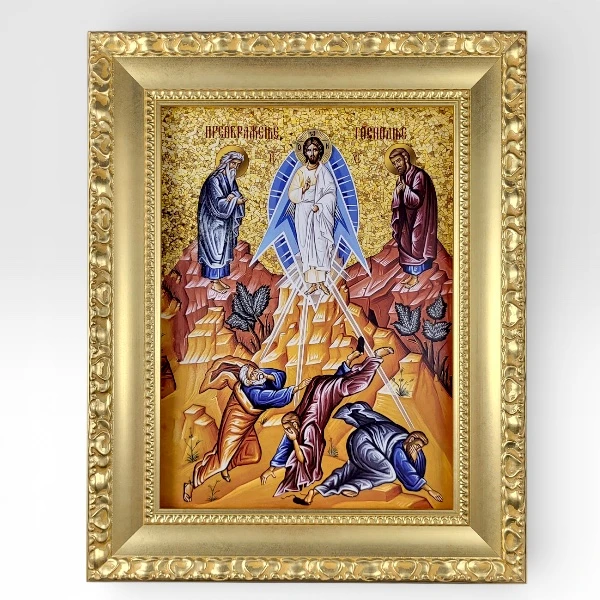
Transfiguration of the Lord — August 19
One of the twelve Great Feasts of the Orthodox Church, marking Christ's Transfiguration on Mount Tabor. While fewer families observe it as a slava, it holds an important place in the church calendar and is traditionally linked to the blessing of the season's first fruit.
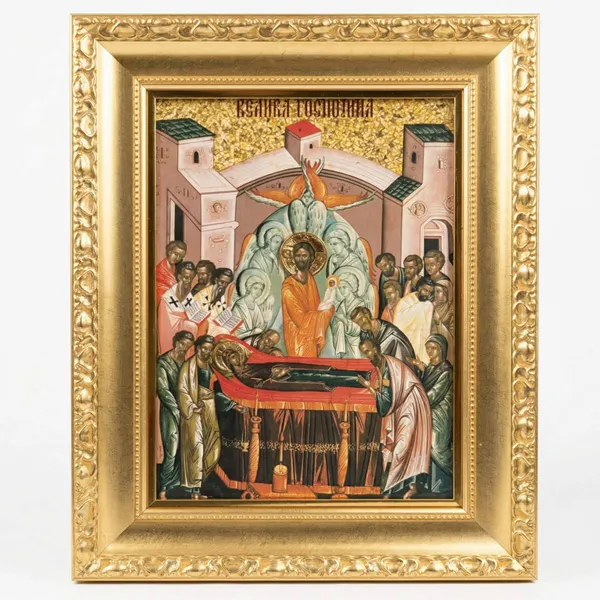
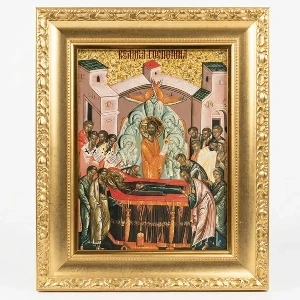
Velika Gospojina (Dormition of the Theotokos) — August 28
One of the major feasts dedicated to the Mother of God, closing the summer cycle of slavas and signaling the approach of autumn. It's celebrated by many families across Serbia.
How Summer Slavas Differ From Winter Ones
Compared to winter slavas like Nikoljdan or Aranđelovdan, summer celebrations tend to have a lighter, more relaxed character. Tables are often filled with seasonal produce, gatherings move outdoors into yards and terraces, and because it falls during the vacation period, slavas typically draw more guests who have free time to attend. At the same time, summer slavas can be logistically trickier — hosts often contend with heat, travel season, and family members scattered between the coast and the city.
The Slava Bread, Wheat, and Table Symbolism
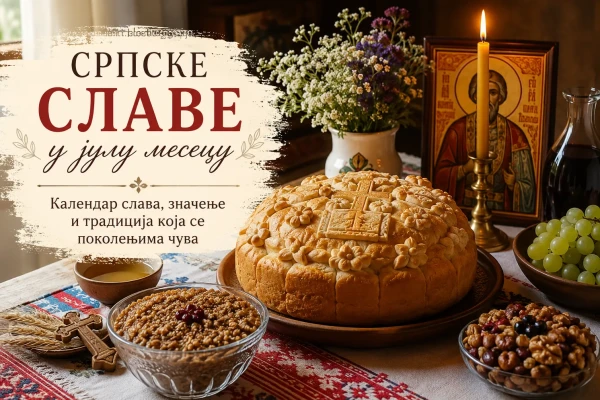
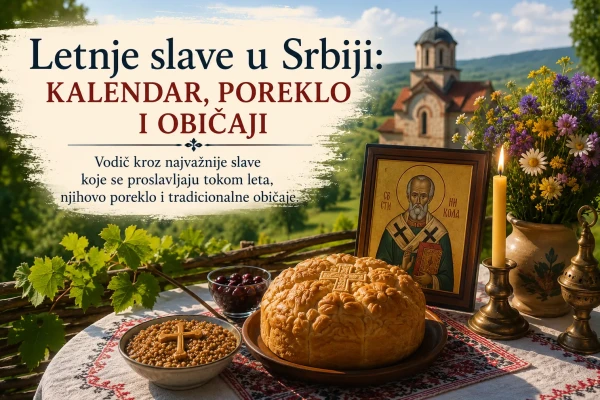
Regardless of the season, the core elements of the slava table stay the same: the ritual bread blessed by a priest on the day itself, decorated boiled wheat, a candle burning throughout the celebration, and an icon of the patron saint. In summer, these are typically joined by seasonal specialties — grilled meats, fresh salads, and fruit-based desserts — making the table notably more varied than in winter.
Summer Slavas and the Diaspora
For Serbs living abroad, summer is often the only time of year the whole family can gather in one place, so many diaspora families choose to mark their slava specifically during a summer visit home. This is part of why slava-related items — icons, ritual candles, bread stamps, traditional folk costumes, and souvenirs with religious or national motifs — see particular demand during the summer months, both within Serbia and among diaspora communities looking to pass the tradition on to their children and grandchildren.
Frequently Asked Questions (FAQ)
What are the most well-known summer slavas in Serbia?
The most widely celebrated summer slavas are Petrovdan (July 12), Ilindan (August 2), and Velika Gospojina (August 28), while Vidovdan (June 28) stands out as the most significant national and historical date, even though fewer households observe it as their family slava.
Is Vidovdan celebrated as a family slava?
Vidovdan is rarely an individual family's slava, but it's observed across Serbia as a national day of remembrance for the 1389 Battle of Kosovo.
What food is traditionally served at a summer slava?
The core remains the same as any slava — ritual bread and boiled wheat — supplemented with seasonal dishes such as grilled meats, summer salads, fresh fruit, and cakes, given the wider variety of produce available.
Is Petrovdan a fasting or non-fasting feast?
Petrovdan, on July 12, falls right after the end of the Apostles' Fast, so the table is traditionally non-fasting and more abundant than during the preceding weeks.
Why is Ilindan associated with thunderstorms?
In folk belief, St. Elijah is considered the "master of thunder and lightning," so summer storms around August 2 are traditionally linked to this feast day.
Does the slava tradition vary by region in Serbia?
Yes. Certain slavas are more common in specific regions — Ilindan, for example, is traditionally more widespread in eastern Serbia, while Petrovdan is among the most common slavas in central and western areas.
How do Serbs abroad celebrate summer slavas?
Many diaspora families adapt the celebration to their circumstances, marking it within their immediate household abroad or timing it around a summer visit to Serbia, when it's easier to gather extended family and friends.
Related products
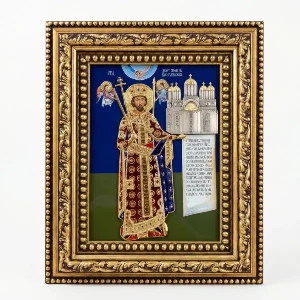
Exclusive Metal Icon of Saint Despot Stefan Lazarevic - 39x32 cm
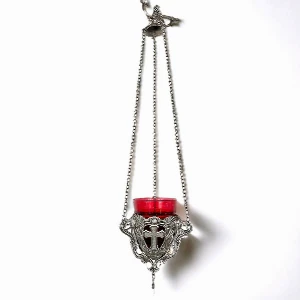
Pendant lamp - silver patina
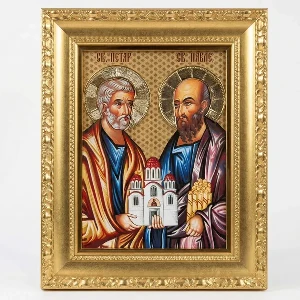
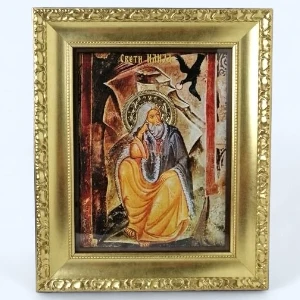
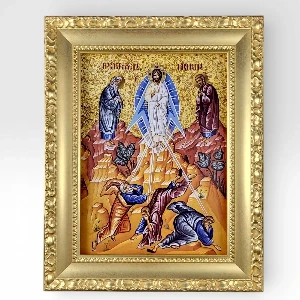
Saint Elijah icon - Gilded icon - (41 x 33 cm)
Read also
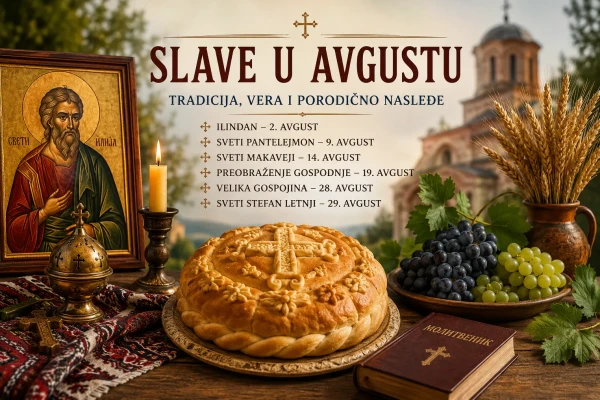
Orthodox Feast Days and Family Slavas in August – Calendar, Traditions and Meaning
Colorful Šajkača – Serbia's Traditional Hat in a Modern Style
A Guide to Serbian Wedding Customs
St. Simeon the God-receiver and Anna the Prophetess – The Witnesses of Christ
Saint Simeon the God-receiver: The Righteous Witness of the Promised Messiah
…
The Meeting of the Lord (Sretenje) – Serbian Statehood Day & Traditions
Sretenje: The Encounter of God and Man & the Celebration of Serbian Liberty
…
Slava St. Tryphon – Patron of Vineyards, Customs and Tradition
Saint Tryphon: The Guardian of Vineyards and the Orthodox Tradition of Love
…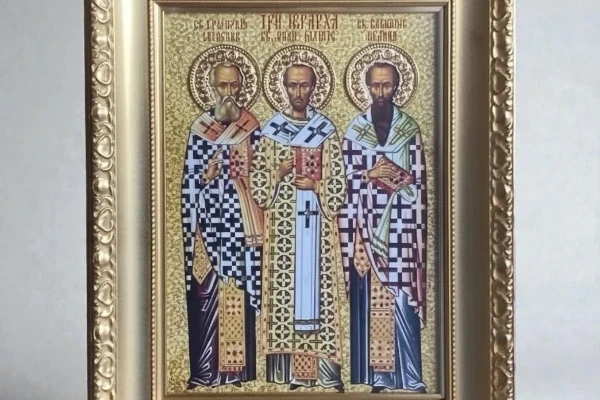
The Three Holy Hierarchs – Basil the Great, Gregory the Theologian, and John Chrysostom
The Three Holy Hierarchs: The Pillars of Orthodox Wisdom and Unity
Serbian Water Polo: Fun Facts, History, and Champions' Gear
When you mention Serbian sports, the first associations with absolute dominance,…
Serbian Slava in February: Celebrating Faith and Identity
February, though the shortest month, is rich with significant Patron Saint Days…