


Serbian Slavas in July: Complete Calendar and List of Dates
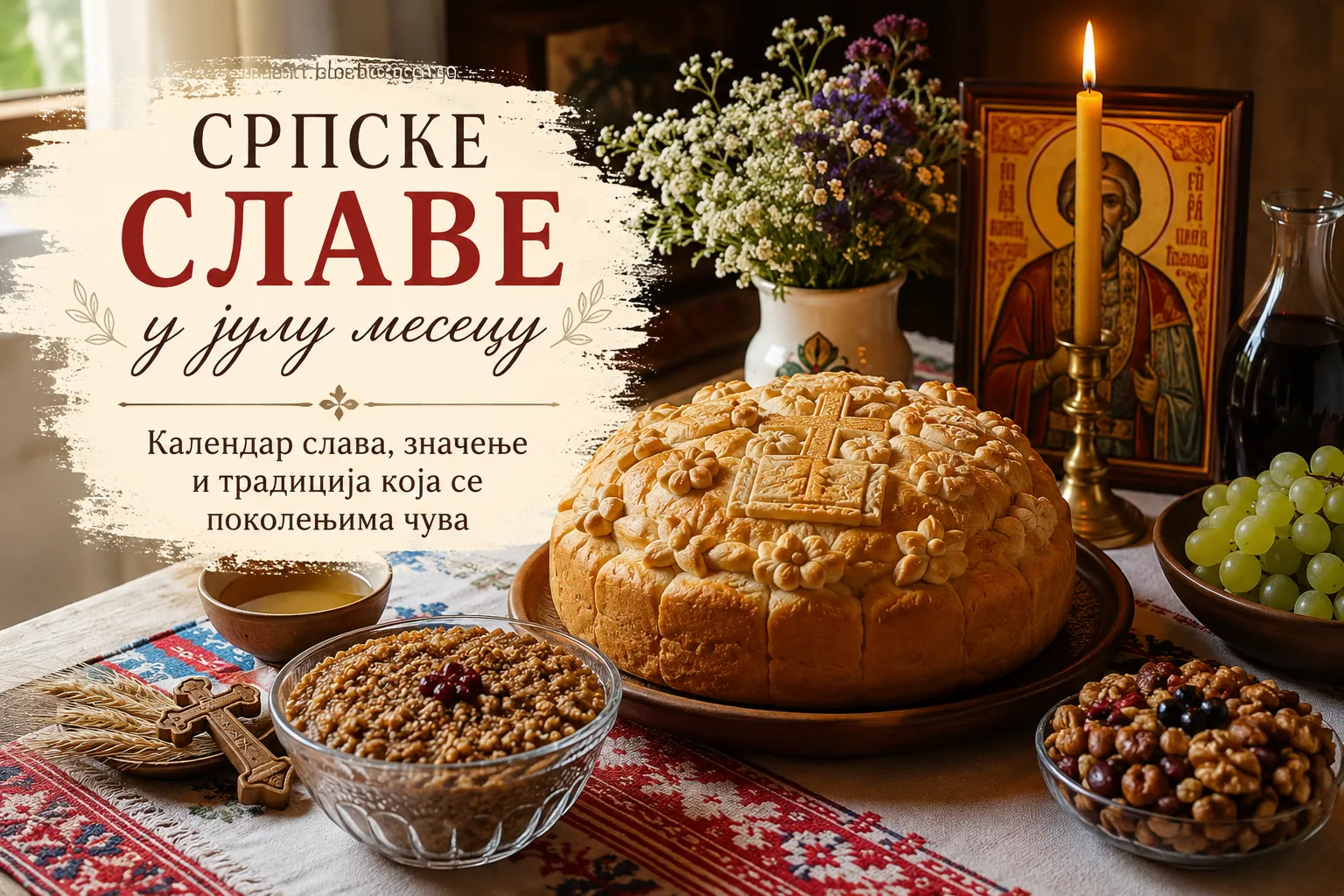
July, alongside August, is one of the busiest months in the Serbian church calendar — opening with the birth of St. John the Baptist at the very start of the month, moving through one of the most widely celebrated slavas in the entire country in mid-July, and closing with lesser-known but still actively observed feast days toward the end. If you're looking for exactly which slavas fall in July, on what dates, and what sets them apart, here's a complete breakdown of the month.
Let's look at each of these in more detail — origin, meaning, and how they're celebrated.
Ivanjdan — July 7
Ivanjdan opens the July cycle of slavas and is dedicated to the birth of St. John the Baptist, the forerunner of Christ. In folk tradition, the day is known for weaving wreaths from medicinal herbs, gathering plants believed to be at their most potent on this particular date, and lighting bonfires. These customs trace back to older, pre-Christian beliefs tied to the summer solstice and the power of the sun, which later merged with the Christian feast. While fewer households celebrate Ivanjdan as their family slava compared to Petrovdan, it remains one of the most recognizable dates in the July folk calendar.
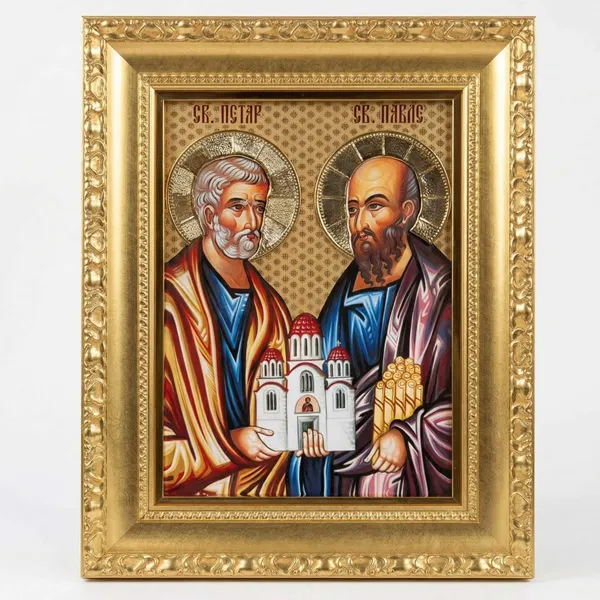
Petrovdan — July 12
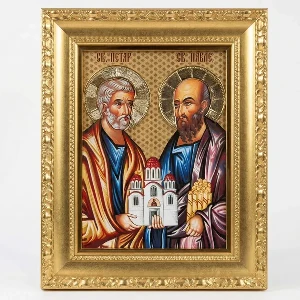
By number of households that observe it, Petrovdan ranks among the most widely celebrated slavas in Serbia overall, and it's by far the most significant slava in July. It's dedicated to the holy apostles Peter and Paul and falls exactly on the day the Apostles' Fast ends, which is why the feast table is traditionally richer and non-fasting that day, compared to the preceding weeks. Petrovdan is especially common in central and western Serbia, and folk tradition links it to numerous sayings and beliefs about weather and farm work, since mid-July marks the peak of summer agricultural labor.
Prokopljevdan — July 21
A lesser-known but still observed slava dedicated to St. Procopius the Great Martyr, an early Christian martyr who died during the reign of Emperor Diocletian. In some parts of Serbia, this day is associated with protection from hail and storms, and special prayers for the harvest are traditionally offered in certain regions.
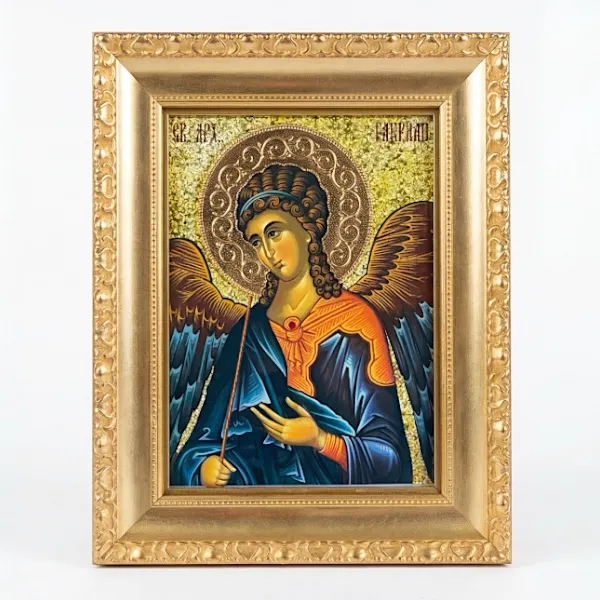
Gavrilovdan — July 26
A slava dedicated to the Archangel Gabriel, one of the most important angels in Christian tradition, known for announcing the Annunciation to the Virgin Mary. Families across Serbia celebrate Gavrilovdan, and this date is sometimes referred to as the "summer" counterpart to the Synaxis of the Archangel Gabriel, which is also marked in March depending on the church calendar.
Ognjena Marija — July 30
The final slava of the July calendar is dedicated to St. Marina the Great Martyr, popularly known in folk tradition as Ognjena Marija ("Fiery Marija"). The name comes from the folk belief that this day is connected to storms, thunder, and summer lightning — similar to Ilindan, which follows a few days later at the start of August. In some parts of Serbia, particularly in the east, Ognjena Marija is still observed today with particular respect for the "summer fire" the day is believed to bring.
Why July Is Such a Busy Month for Slavas
July, together with August, is when numerous summer-related Christian feasts overlap — from those tied to cults of sun and fire (Ivanjdan, Ognjena Marija), through one of the most widely celebrated slavas in the country (Petrovdan), to lesser-known but still living traditions (Prokopljevdan, Gavrilovdan). Unlike autumn and winter, when slavas occur less frequently, July brings an almost weekly rhythm of feast days, making it one of the busiest months in the entire Orthodox calendar.
How July Slavas Differ From Other Summer Slavas
Compared to August slavas like Ilindan or Velika Gospojina, July slavas — Petrovdan in particular — often fall while families are still planning their summer holidays, so the celebration and gathering tend to happen before part of the family heads to the coast or out of town. This makes July slavas an ideal first family gathering of the summer, especially for those living away from their hometown or abroad.
Frequently Asked Questions About July Slavas (FAQ)
Which slavas are celebrated in July?
July includes Ivanjdan (July 7), Petrovdan (July 12), Prokopljevdan (July 21), Gavrilovdan (July 26), and Ognjena Marija (July 30).
What is the biggest slava in July?
Petrovdan, on July 12, is the most widely and commonly celebrated slava in July, and one of the most common slavas in Serbia overall.
Is Petrovdan a fasting or non-fasting feast?
Petrovdan falls right after the end of the Apostles' Fast, so the feast table is traditionally non-fasting that day.
What is Ognjena Marija and when is it celebrated?
Ognjena Marija is the folk name for the feast of St. Marina the Great Martyr, celebrated on July 30. The name comes from the folk belief that this day is linked to summer storms and thunder.
Is Ivanjdan celebrated as a family slava?
Yes — although less widespread than Petrovdan, Ivanjdan is still observed as a family slava by a number of Serbian households, and it's also known for folk customs like wreath-weaving and bonfires.
How many slavas fall in the July calendar in total?
July includes five main slavas that are regularly observed: Ivanjdan, Petrovdan, Prokopljevdan, Gavrilovdan, and Ognjena Marija.
Do July slavas vary by region in Serbia?
Yes. Petrovdan, for instance, is especially widespread in central and western Serbia, while Ognjena Marija is traditionally more strongly observed in the eastern parts of the country.
Related products
Read also
Orthodox Feast Days and Family Slavas in August – Calendar, Traditions and Meaning
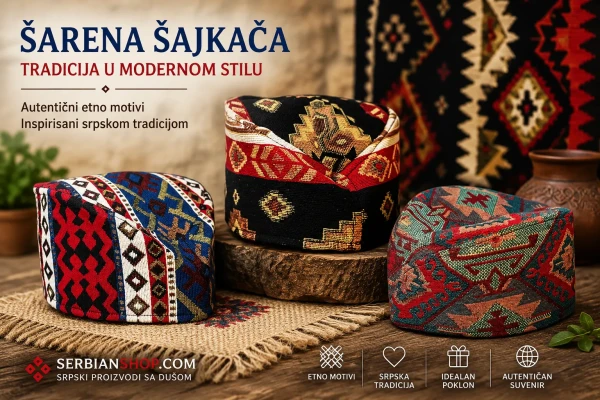
Colorful Šajkača – Serbia's Traditional Hat in a Modern Style
A Guide to Serbian Wedding Customs
St. Simeon the God-receiver and Anna the Prophetess – The Witnesses of Christ
Saint Simeon the God-receiver: The Righteous Witness of the Promised Messiah
…
The Meeting of the Lord (Sretenje) – Serbian Statehood Day & Traditions
Sretenje: The Encounter of God and Man & the Celebration of Serbian Liberty
…
Slava St. Tryphon – Patron of Vineyards, Customs and Tradition
Saint Tryphon: The Guardian of Vineyards and the Orthodox Tradition of Love
…
The Three Holy Hierarchs – Basil the Great, Gregory the Theologian, and John Chrysostom
The Three Holy Hierarchs: The Pillars of Orthodox Wisdom and Unity

Serbian Water Polo: Fun Facts, History, and Champions' Gear
When you mention Serbian sports, the first associations with absolute dominance,…
Serbian Slava in February: Celebrating Faith and Identity
February, though the shortest month, is rich with significant Patron Saint Days…