


How to choose the right icon and what is actually Byzantine icon painting?
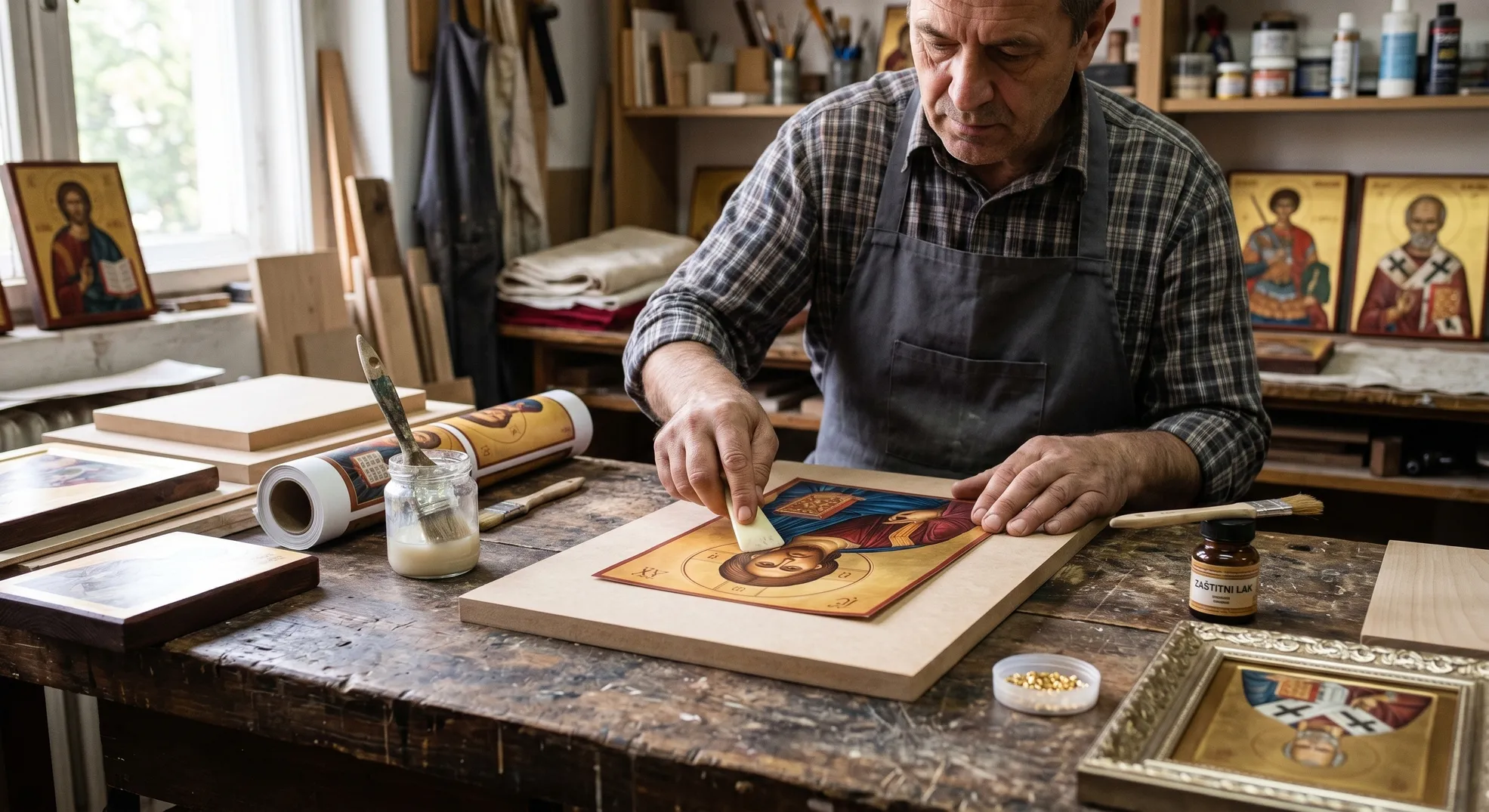
Why are Orthodox icons made according to Byzantine icon painting?
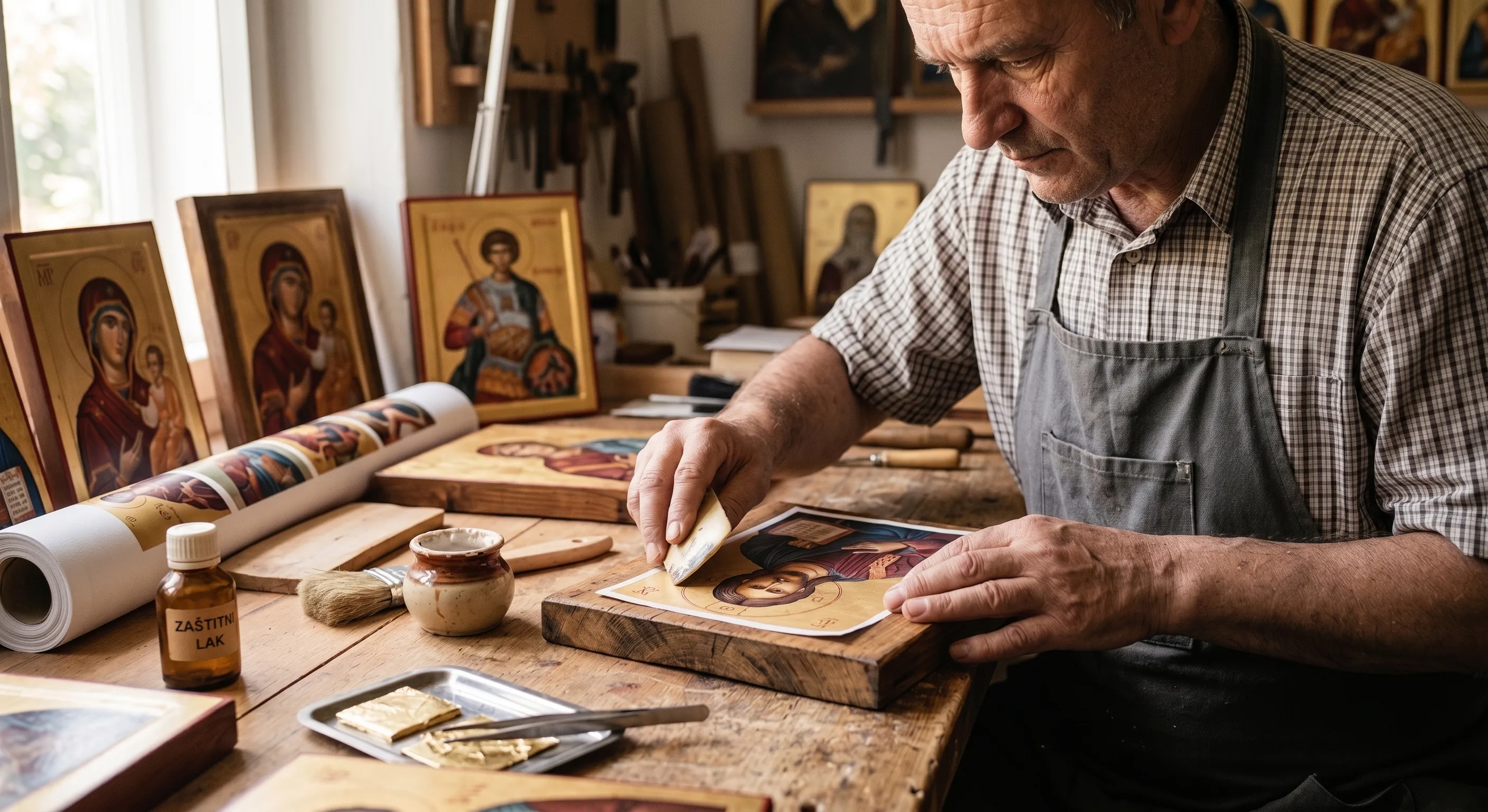
When we talk about Orthodox icons, it is very important to understand that an icon is not an ordinary art picture or wall decoration. In Orthodoxy, the icon has a deep spiritual meaning, and because of this, its appearance has developed over the centuries according to special rules originating from the Byzantine tradition.
Byzantine icon painting was created during the Byzantine Empire and became the foundation of Orthodox art. That style has survived to this day because its goal is not to depict a man realistically, as in a photograph, but to depict his spiritual nature and holiness.
That is why Orthodox icons have a characteristic appearance:
- calm and dignified faces,
- large and expressive eyes that symbolize spiritual alertness,
- golden halos as a symbol of divine light,
- harmonious and calm colors,
- a special position of the body and hands that carries symbolism.
It is for this reason that even today most Orthodox icons are made according to the model of Byzantine icon painting - because it preserves the authenticity of the Orthodox tradition and conveys the spiritual message of the icon in a way that has been recognized for centuries in the Orthodox world.
After masking, the icon is often further refined with details such as:
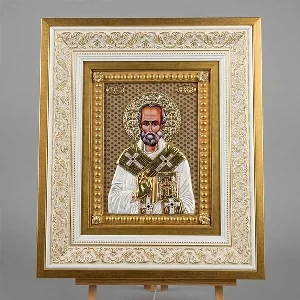
- gilded halos,
- decorative zircons,
- protective varnish,
- decorative frames,
- gold printing.
That's why classic Slavic icons can look very elegant and festive, with an excellent quality-price ratio
The difference between classic and metal icons
Both classical and metal icons have the same spiritual significance and both are completely acceptable in the Orthodox tradition. The difference is in the way it is made, the amount of precious materials and the luxury of the finish.
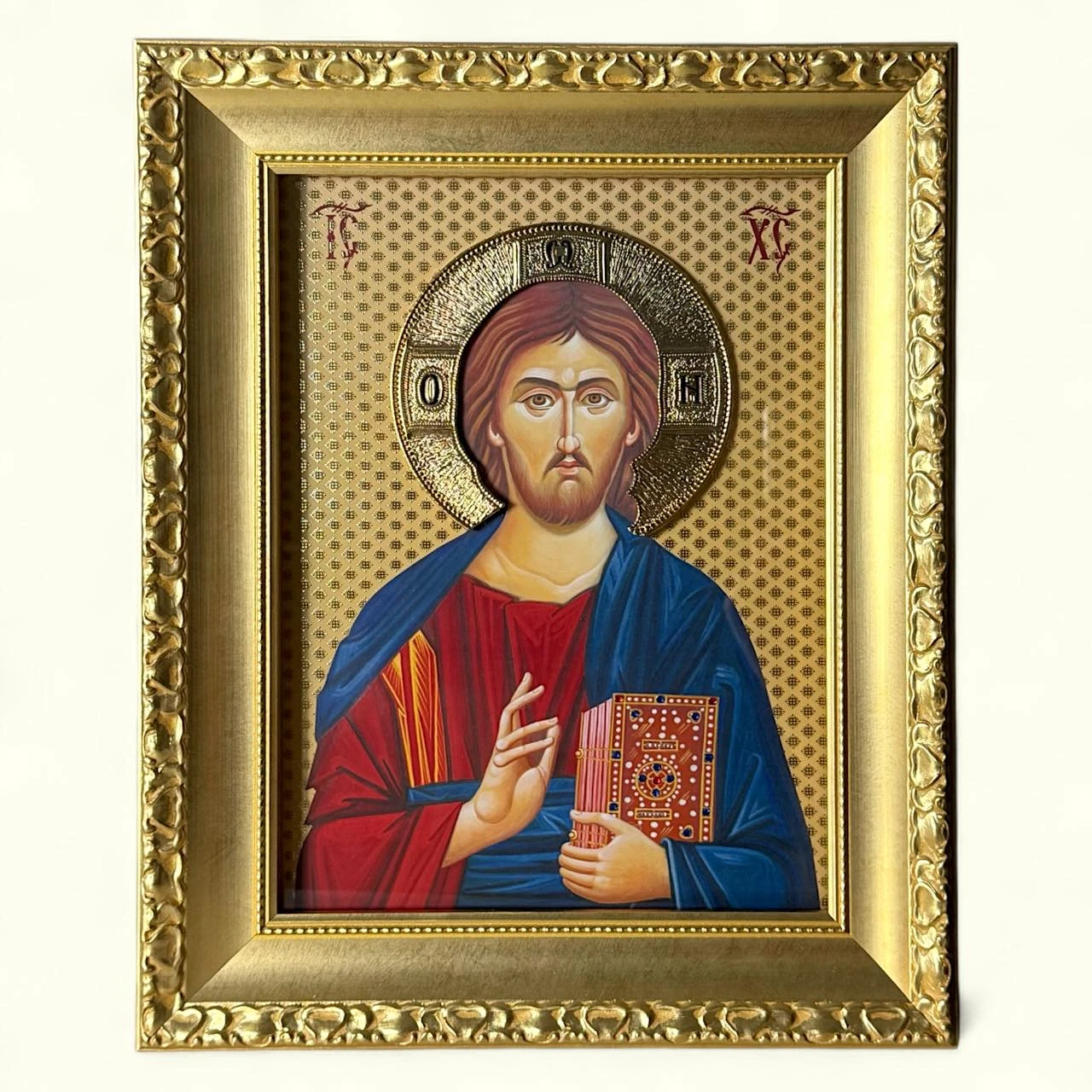
Classic Slavic icon
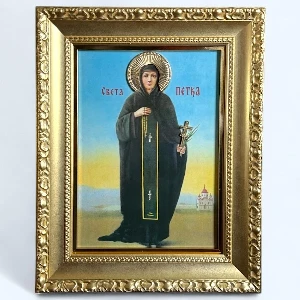
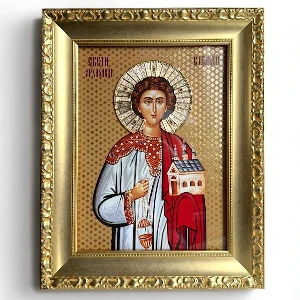
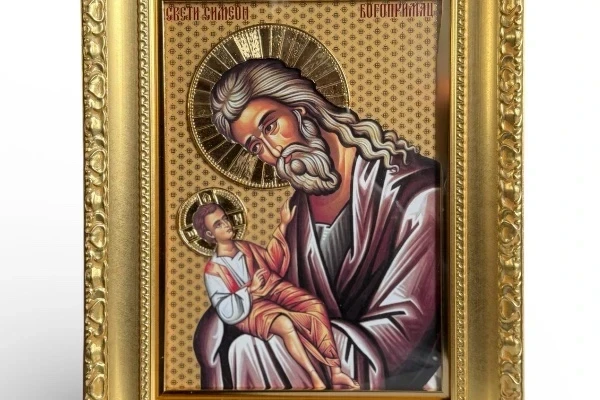
The classic icon is made through quality printing, lamination and decorative processing. It usually contains:
- depiction of the saint in the Byzantine style,
- gilded halo,
- zirconia or decorative details,
- quality frame.
These icons represent a combination of tradition, beauty and affordability, which is why they are very popular for family celebrations and gifts.
What does icon caching mean and why is it important?
It is often thought that a classic Slavic icon is just an ordinary printed image of a saint, but quality craftsmanship implies much more than just the motif.
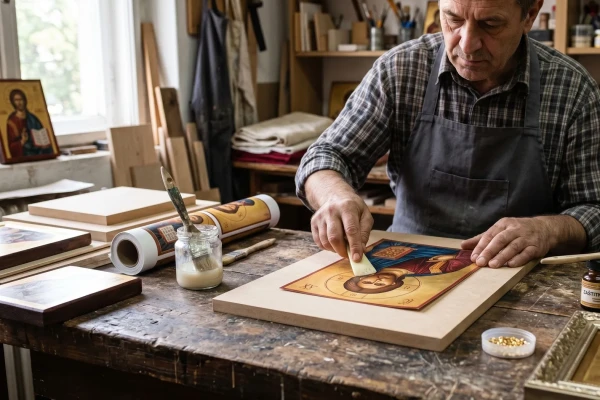
One of the most important processes in making icons is laminating. Lamination is a procedure in which the motif of the icon is carefully placed and glued to a solid surface, most often plywood, wood or other quality material.
This procedure is very important because:
- increases icon durability,
- prevents bending and undulation of the material,
- gives the icon solidity and stability,
- allows for a nicer finish,
- contributes to a more elegant and high-quality appearance.
Thanks to lamination, the regular Slavic icon is not just an ordinary picture in a frame, but a carefully processed and quality-made product intended for long-term use and preservation over the years. These icons are elegant, very popular and more affordable. They are often an ideal choice for family celebrations, gifts or home decoration.
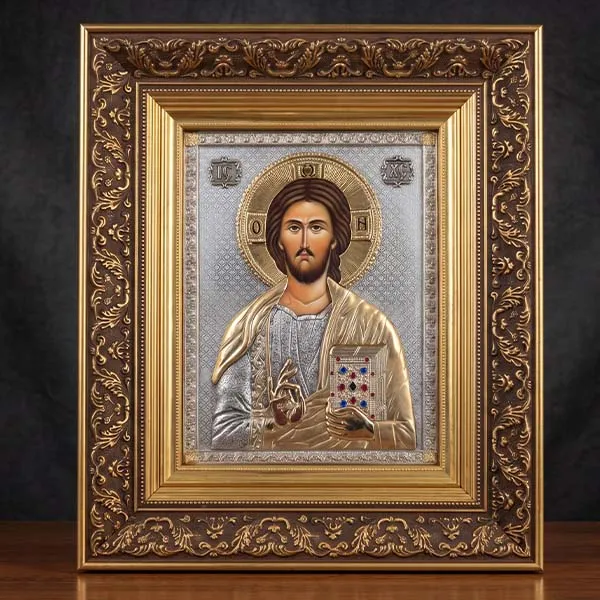
Metallic luxury icon
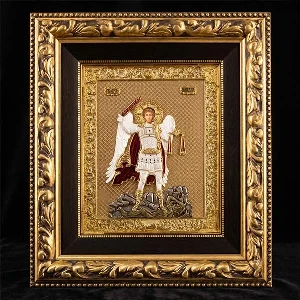
Metal icons represent a more luxurious variant. They use significantly more precious materials, so the entire surface of the icon is:
- gold plated,
- silver plated,
- embossed with a metal layer.
Such a build gives the icon:
- richer and more luxurious appearance,
- brighter shine,
- embossed texture,
- greater exclusivity and price.
Metal icons are often chosen as special gifts for weddings, anniversaries or large family celebrations.
Which icon to choose for the perfect present? Which icon is perfect for the Slava?
The choice between classic and metal icons depends on personal preferences, aesthetics and budget. Classic icons offer traditional beauty and quality craftsmanship at a more affordable price, while metal icons represent a more luxurious and richly decorated variant.
Regardless of the choice, the most important thing is that the icon retains its spiritual significance and the place it has in the Orthodox tradition and home.
Related products
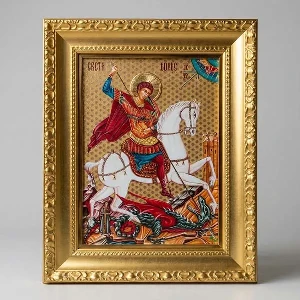
Saint Stephen Icon – The Gilded Blessing of the First Martyr - (41 x 33 cm)
Read also
Orthodox Feast Days and Family Slavas in August – Calendar, Traditions and Meaning
Colorful Šajkača – Serbia's Traditional Hat in a Modern Style
A Guide to Serbian Wedding Customs
St. Simeon the God-receiver and Anna the Prophetess – The Witnesses of Christ
Saint Simeon the God-receiver: The Righteous Witness of the Promised Messiah
…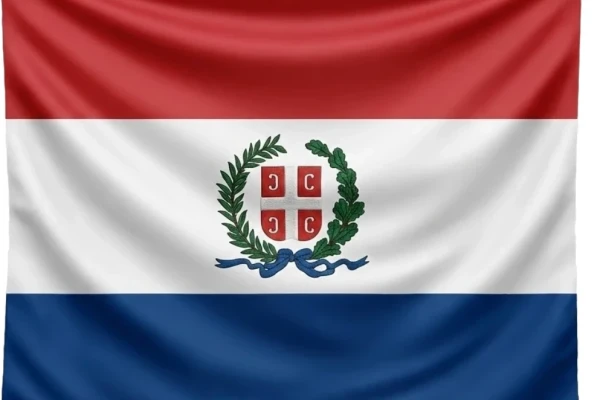
The Meeting of the Lord (Sretenje) – Serbian Statehood Day & Traditions
Sretenje: The Encounter of God and Man & the Celebration of Serbian Liberty
…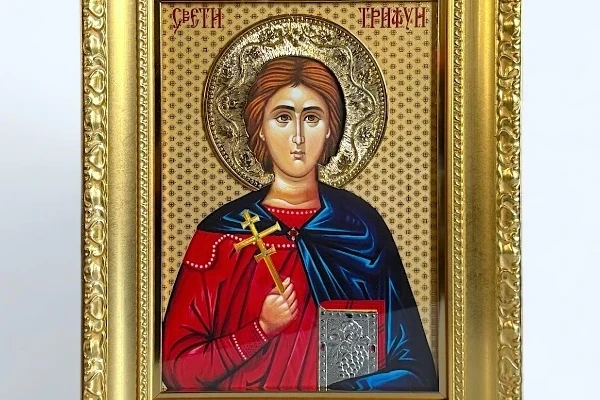
Slava St. Tryphon – Patron of Vineyards, Customs and Tradition
Saint Tryphon: The Guardian of Vineyards and the Orthodox Tradition of Love
…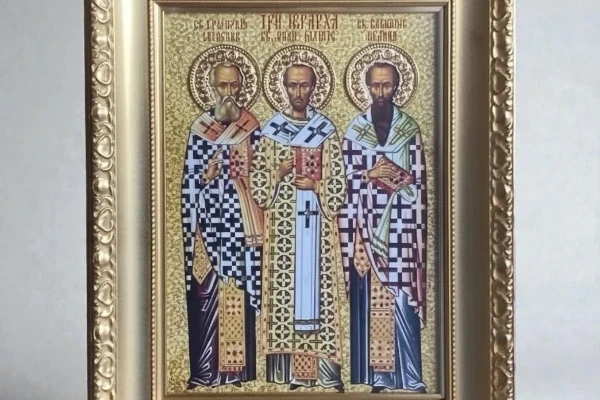
The Three Holy Hierarchs – Basil the Great, Gregory the Theologian, and John Chrysostom
The Three Holy Hierarchs: The Pillars of Orthodox Wisdom and Unity
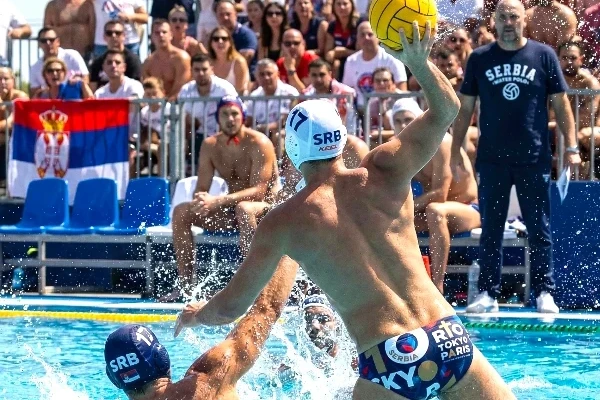
Serbian Water Polo: Fun Facts, History, and Champions' Gear
When you mention Serbian sports, the first associations with absolute dominance,…
Serbian Slava in February: Celebrating Faith and Identity
February, though the shortest month, is rich with significant Patron Saint Days…