


Serbian New Year: Traditions, Customs, and the Genius of Milutin Milanković
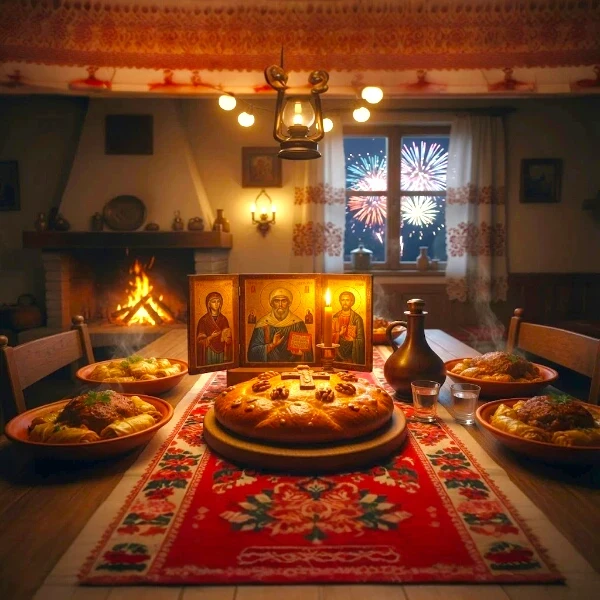
The Serbian New Year, also known as the Orthodox New Year, is celebrated on January 13th according to the Julian calendar. For Serbs worldwide, this date is more than a holiday; it is a symbol of cultural resilience and spiritual identity. At Serbian Shop, we explore the rich customs and the scientific heritage that make this celebration unique.
"Mali Božić" and St. Basil the Great
The first day of the year in the Julian calendar (January 14th) coincides with the feast of St. Basil the Great and is traditionally called Mali Božić (Little Christmas).
- Vasilica: The central custom is baking a special bread called "Vasilica," often topped with honey and walnuts to ensure a prosperous and "sweet" year ahead.
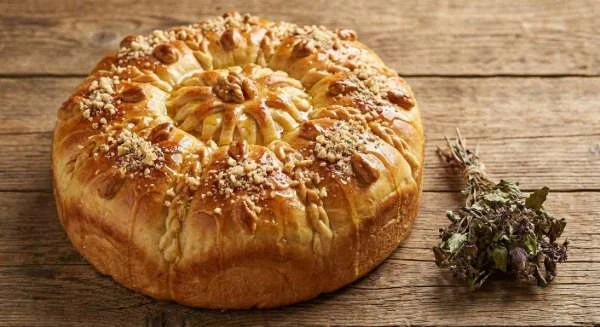
- Sacred Fire: In many regions, the remaining branches of the Christmas oak (Badnjak) are rekindled to bring divine light and warmth into the home.
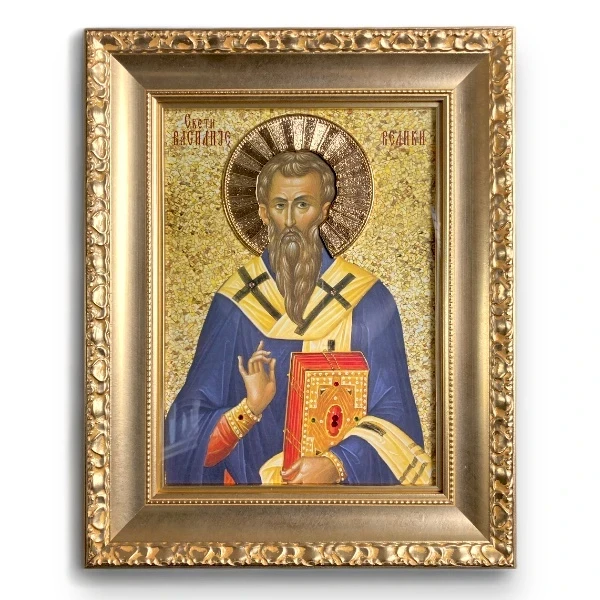
- Gift Tip: As this is St. Basil’s day, an Icon of Saint Basil the Great is a prestigious gift for families who honor him as their Patron Saint.
The Milanković Calendar: The Peak of Scientific Accuracy
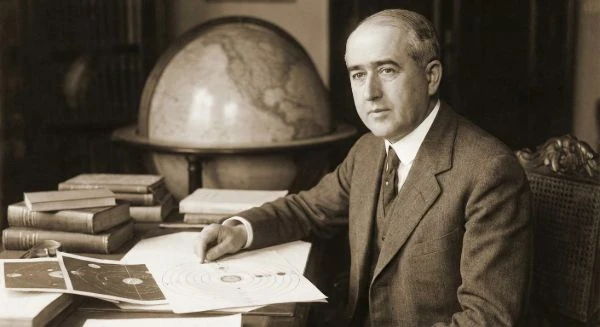
A remarkable part of this tradition is tied to the Serbian scientist Milutin Milanković. In 1923, he proposed a reformed Julian calendar, which remains the most accurate calendar in human history.
- Precision: His calculations are even more precise than the widely used Gregorian calendar, with an error of only one second every 40,000 years.
- Tradition vs. Innovation: While the Serbian Orthodox Church acknowledged this scientific masterpiece, it chose to remain with the old Julian calendar for its liturgy to preserve a spiritual link to the past.
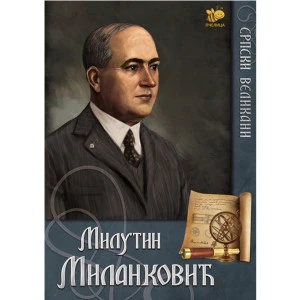
- If you are interested in the character and work of Milutin Milanković, take a look at the selection of products in our offer, such as the book "Through the Universe and the Ages" in serbian.
Celebrating the Serbian New Year Today
For the Serbian Diaspora, this holiday is a bridge to their homeland. Here is how to celebrate with style and faith:
- Spiritual Reflection: Attend a church service (Moleban) to pray for a blessed and healthy year.
- Authentic Home Decor: Decorate your home with traditional etno textiles and serve spirits in handcrafted wooden flasks (čutura).
- Gifts of Faith: Celebrate with friends by gifting high-quality Slava sets, vigil lamps, triptychs or etno kilims that carry the essence of Serbian tradition.
Frequently Asked Questions about Serbian New Year
Why do Serbs celebrate New Year on January 13th?
Serbs celebrate on January 13th because the Serbian Orthodox Church follows the Julian calendar for its religious holidays. This celebration is a key part of Serbian cultural and spiritual identity.
What is the difference between the Julian and Gregorian calendars?
The Julian calendar was introduced by Julius Caesar in 46 BC, while the Gregorian calendar was a 1582 reform to fix time drift. Currently, there is a 13-day difference between the two.
What is "Mali Božić" (Little Christmas)?
"Mali Božić" is the folk name for January 14th (Orthodox New Year's Day). It marks the continuation of Christmas traditions, the feast of St. Basil the Great, and the baking of the traditional "Vasilica" bread.
What is the traditional gift for the Serbian New Year?
Meaningful gifts include items that celebrate Serbian heritage, such as handcrafted icons of St. Basil, traditional wooden flasks (čutura), or spiritual triptychs from the Serbian Shop collection.
Related products
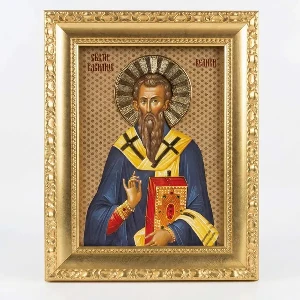
ICON SAINT BASIL THE GREAT 41x33
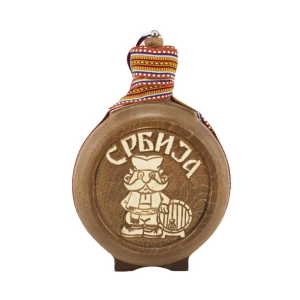
Wooden flask 0.7l, Serbian motifs, brandy canteen, buklija
Read also
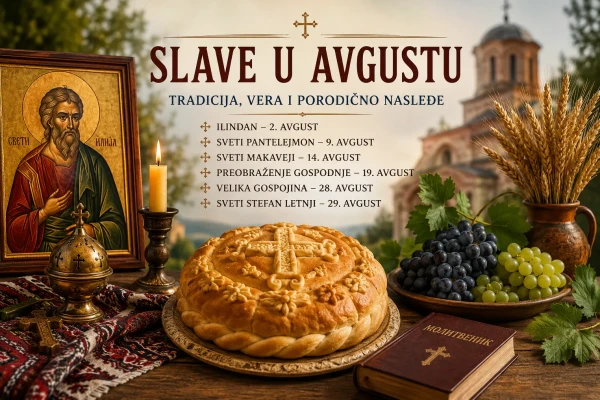
Orthodox Feast Days and Family Slavas in August – Calendar, Traditions and Meaning
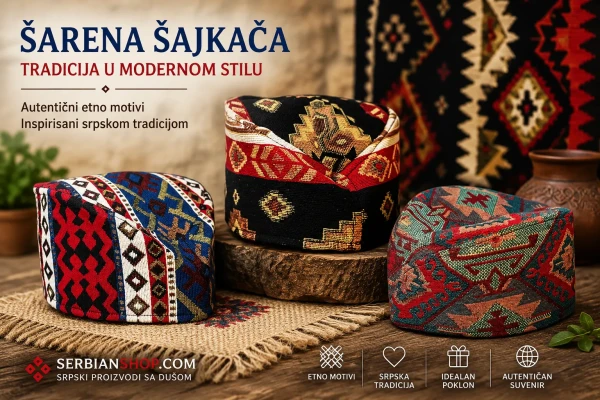
Colorful Šajkača – Serbia's Traditional Hat in a Modern Style
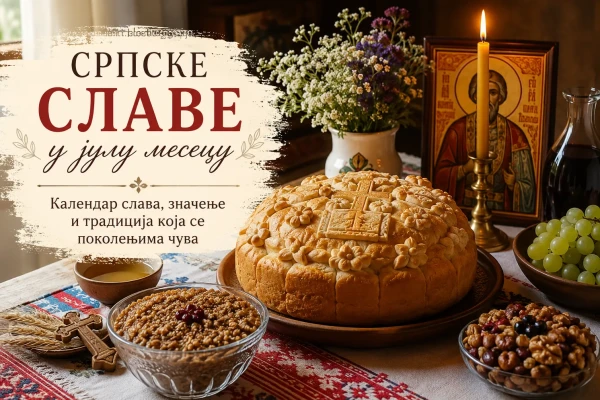
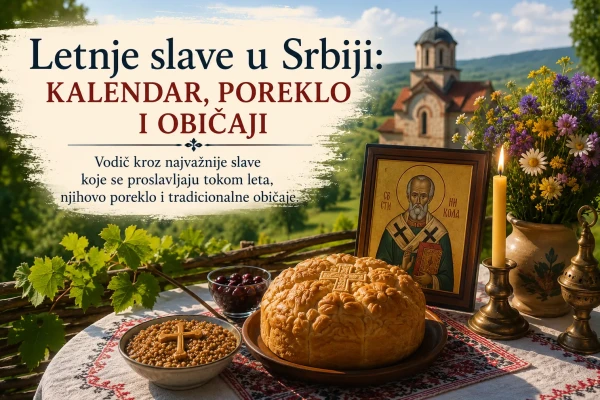
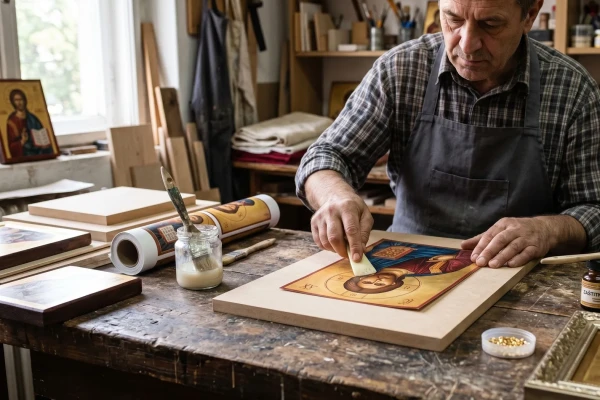
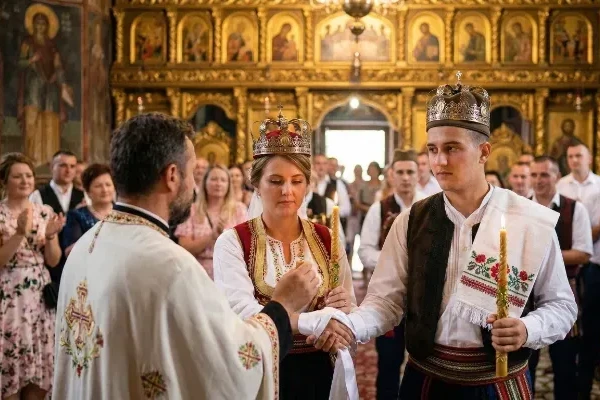
A Guide to Serbian Wedding Customs
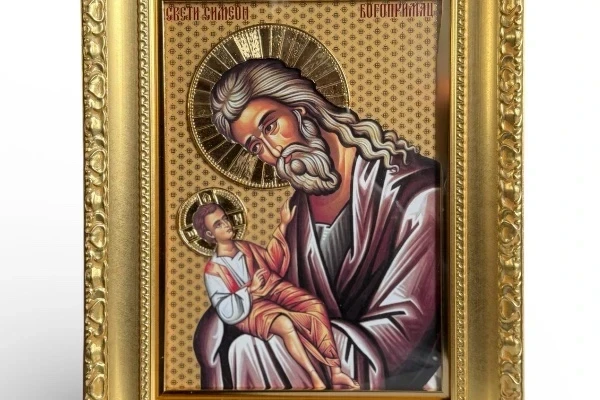
St. Simeon the God-receiver and Anna the Prophetess – The Witnesses of Christ
Saint Simeon the God-receiver: The Righteous Witness of the Promised Messiah
…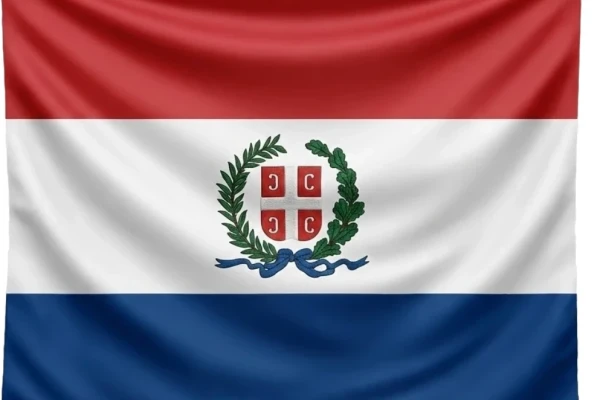
The Meeting of the Lord (Sretenje) – Serbian Statehood Day & Traditions
Sretenje: The Encounter of God and Man & the Celebration of Serbian Liberty
…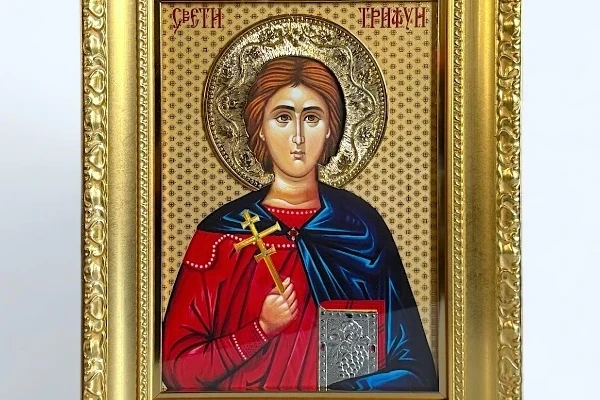
Slava St. Tryphon – Patron of Vineyards, Customs and Tradition
Saint Tryphon: The Guardian of Vineyards and the Orthodox Tradition of Love
…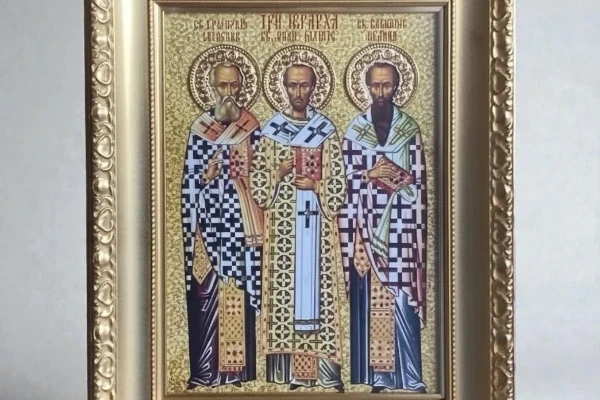
The Three Holy Hierarchs – Basil the Great, Gregory the Theologian, and John Chrysostom
The Three Holy Hierarchs: The Pillars of Orthodox Wisdom and Unity

Serbian Water Polo: Fun Facts, History, and Champions' Gear
When you mention Serbian sports, the first associations with absolute dominance,…
Serbian Slava in February: Celebrating Faith and Identity
February, though the shortest month, is rich with significant Patron Saint Days…