


Slava St Basil the Great – Vasiljevdan : Customs and Traditions
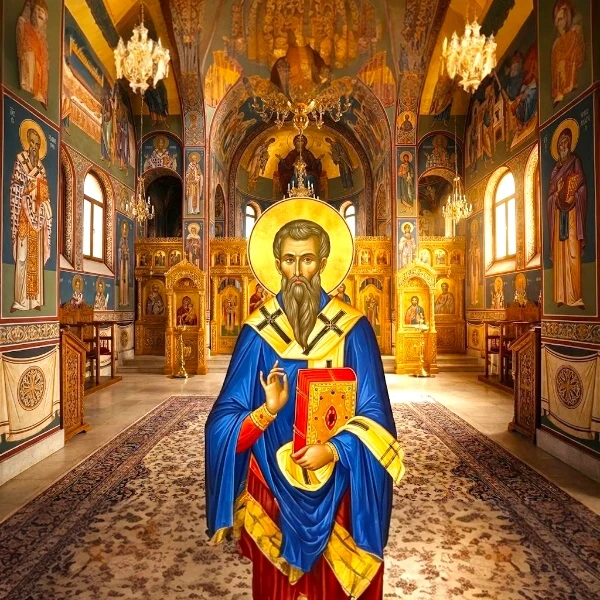
Saint Basil the Great: "Little Christmas" and the Serbian New Year
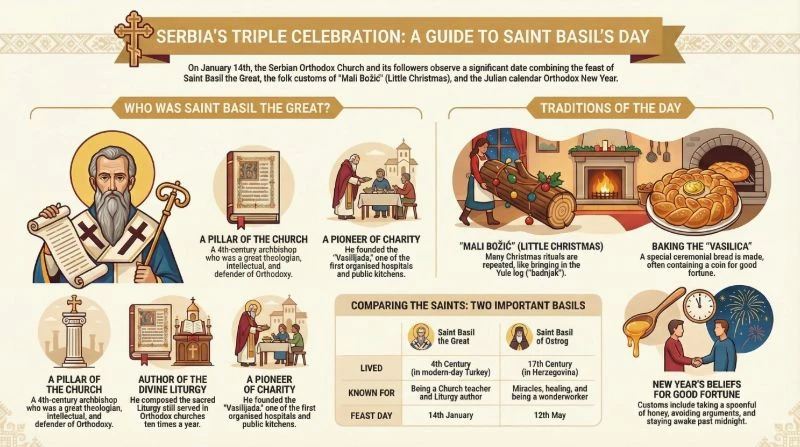
History and Spiritual Significance
Saint Basil the Great was a 4th-century Archbishop of Caesarea and one of the most influential theologians in Christian history.
- The Liturgy of St. Basil: He is the author of the Holy Liturgy that bears his name, used during the most important feast days of the Orthodox Church.
- Philanthropy: He founded the "Basiliad," a complex of hospitals and almshouses, setting the first historical example of organized Christian charity.
Serbian Traditions: The "Vasilica" Bread
Known in Serbia as Mali Božić (Little Christmas), this day is rich in domestic rituals:
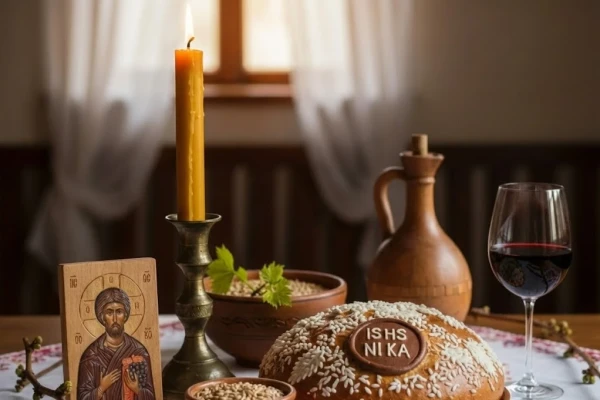
- Vasilica Bread: Families bake a special ceremonial bread called Vasilica. Like the Christmas Česnica, it often contains a hidden coin, bringing luck to the one who finds it.
- The New Year: As this day marks the beginning of the New Year according to the Julian calendar, it is a day of joy, renewal, and family gatherings.
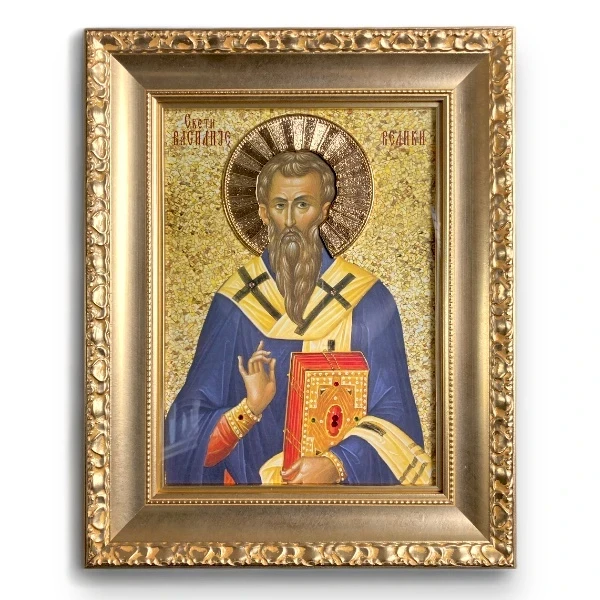
The History and Significance of St. Basil the Great
Saint Basil the Great (329–379 AD) was the Archbishop of Caesarea in Cappadocia and is considered one of the most brilliant fathers of the Christian Church. He was not only a theologian but a profound practitioner of faith whose influence has endured for seventeen centuries.
- Pillar of Orthodoxy: He was a steadfast champion against heresies. His writings on the Holy Spirit and monastic life remain the foundation of Orthodox teaching today. Due to his immense wisdom and righteousness, he is honored with the title "The Great."
- Author of the Liturgy: Saint Basil authored the text of the Holy Liturgy that bears his name. This profound and sublime service is conducted in Orthodox temples ten times a year, including on his feast day – January 14th.
- The First Philanthropist: In Caesarea, he built a "city of mercy" known as the Basiliad, which housed the first hospitals, soup kitchens, and inns for travelers. He thus laid the foundation for modern Christian charity.
- The Key Difference: St. Basil the Great (Jan) vs. St. Basil of Ostrog (May)
It is a common point of confusion among believers and site visitors. Here are the clear distinctions:
- Era and Location: St. Basil the Great lived in the 4th century in Cappadocia (modern-day Turkey). St. Basil of Ostrog lived in the 17th century in Herzegovina and Montenegro.
- Origin: St. Basil the Great was Greek and a Byzantine theologian. St. Basil of Ostrog (born Stojan Jovanović) was Serbian and a Metropolitan of Herzegovina.
- Spiritual Role: St. Basil the Great is celebrated as a Doctor of the Church and author of the Liturgy. St. Basil of Ostrog is revered as the greatest Serbian Miracle Worker and Healer.
- Holy Sites: While we associate St. Basil the Great with spiritual literature and theological heritage, St. Basil of Ostrog is inextricably linked to the Ostrog Monastery, where his incorruptible relics rest.
FAQ (Frequently Asked Questions)
What is the difference between St. Basil the Great and St. Basil of Ostrog?
They are two distinct saints from different eras. St. Basil the Great (Jan 14) was a 4th-century Greek theologian and bishop from Cappadocia. St. Basil of Ostrog (May 12) was a 17th-century Serbian miracle-worker whose relics are kept at the Ostrog Monastery in Montenegro.
Why is January 14th called "Little Christmas" (Mali Božić)?
In Serbian culture, many Christmas rituals are repeated on this day to mark the beginning of the New Year. It serves as a spiritual "extension" of Christmas, including the baking of ceremonial bread and welcoming a special guest (Polažajnik) to bless the home.
What is the "Vasilica" bread and its significance?
Vasilica is a traditional ceremonial bread baked specifically for this feast. Depending on the region, it can be a savory pie made with layers of filo pastry or a sweet yeast bread drizzled with honey. Much like the Christmas Česnica, it often hides a coin to bring luck to the finder.
Are there specific fasting rules for St. Basil’s Day?
The feast is usually meat-based (mrsna). However, if January 14th falls on a Wednesday or Friday, the meal must be Lenten (posna), which typically allows for fish and wine.
Is this the same day as the Serbian Orthodox New Year?
Yes. January 14th marks the start of the New Year according to the Julian calendar. Serbians celebrate it both as a religious feast (dedicated to St. Basil) and as a traditional New Year’s celebration with folk music, fireworks, and festive dinners.
Related products
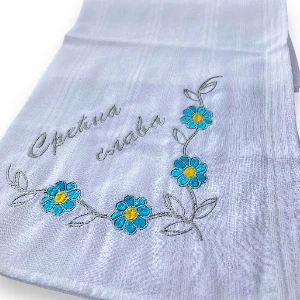
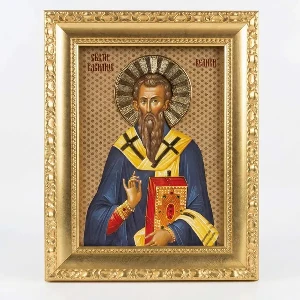
ICON SAINT BASIL THE GREAT 41x33
Read also
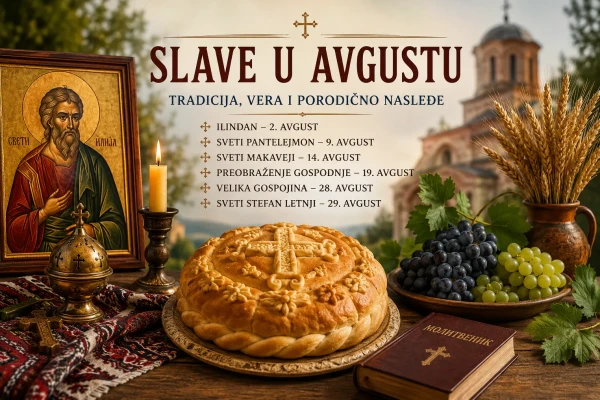
Orthodox Feast Days and Family Slavas in August – Calendar, Traditions and Meaning
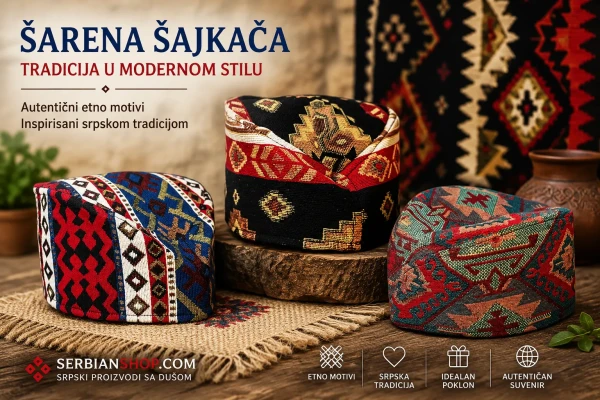
Colorful Šajkača – Serbia's Traditional Hat in a Modern Style
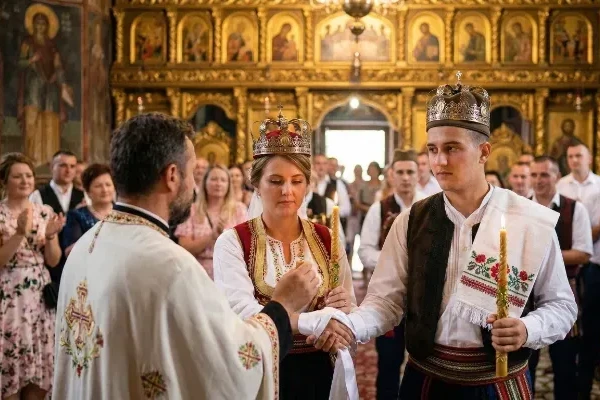
A Guide to Serbian Wedding Customs
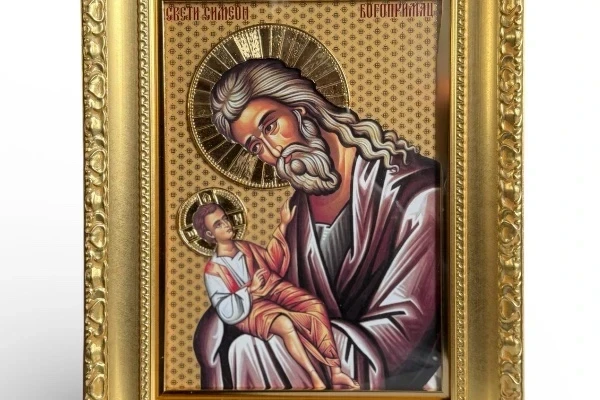
St. Simeon the God-receiver and Anna the Prophetess – The Witnesses of Christ
Saint Simeon the God-receiver: The Righteous Witness of the Promised Messiah
…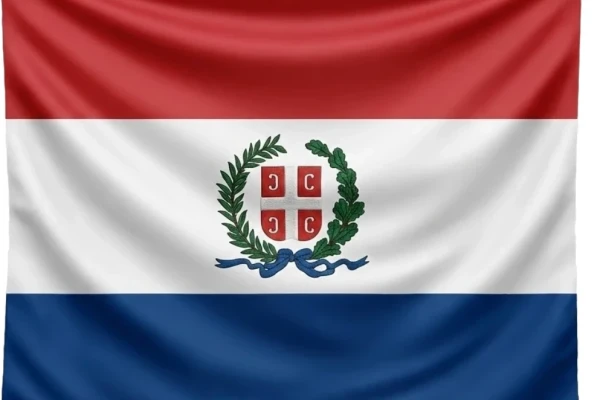
The Meeting of the Lord (Sretenje) – Serbian Statehood Day & Traditions
Sretenje: The Encounter of God and Man & the Celebration of Serbian Liberty
…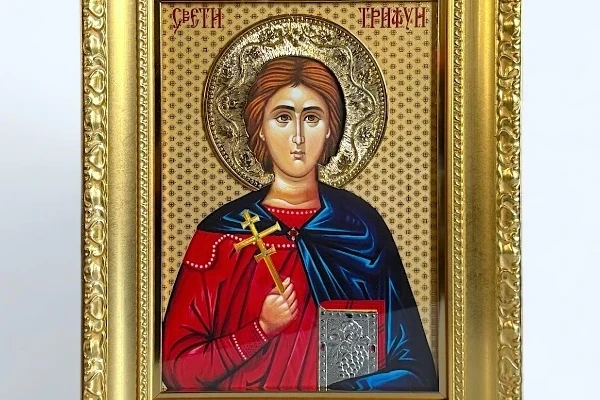
Slava St. Tryphon – Patron of Vineyards, Customs and Tradition
Saint Tryphon: The Guardian of Vineyards and the Orthodox Tradition of Love
…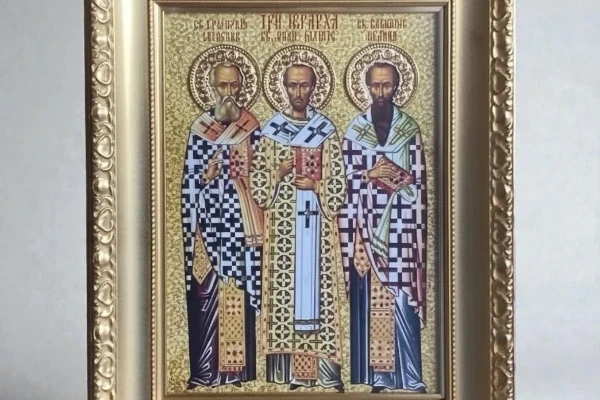
The Three Holy Hierarchs – Basil the Great, Gregory the Theologian, and John Chrysostom
The Three Holy Hierarchs: The Pillars of Orthodox Wisdom and Unity

Serbian Water Polo: Fun Facts, History, and Champions' Gear
When you mention Serbian sports, the first associations with absolute dominance,…
Serbian Slava in February: Celebrating Faith and Identity
February, though the shortest month, is rich with significant Patron Saint Days…