


Slava St John the Baptist – Jovanjdan: Customs and Traditions
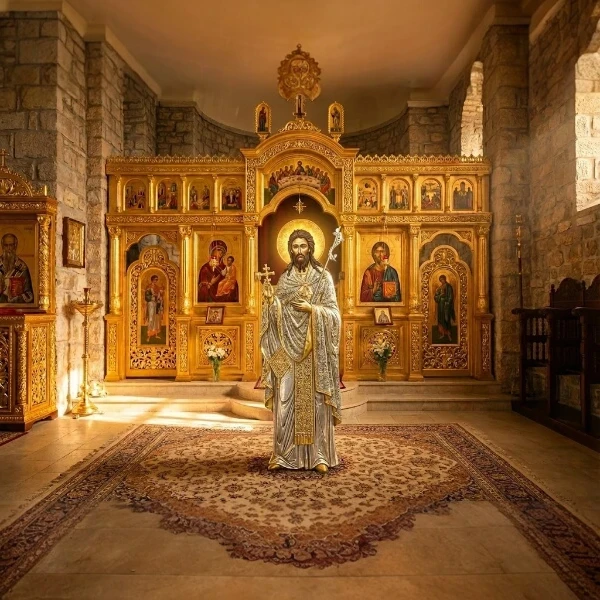
St. John the Baptist – Jovanjdan: Everything About One of the Greatest Serbian Slavas
Who was Saint John the Baptist?
Saint John is called the "Baptist" because he baptized the Lord Jesus Christ, and the "Forerunner" because he announced the coming of the Savior. In the Christian world, he is a symbol of purity, truthfulness, and immense spiritual strength. It is believed that he is such a significant saint that his relics are kept in the world's greatest sanctuaries, while his Right Hand, the one he used to baptize Christ, is preserved in the Cetinje Monastery in Montenegro.
Popular Folk Customs for Jovanjdan
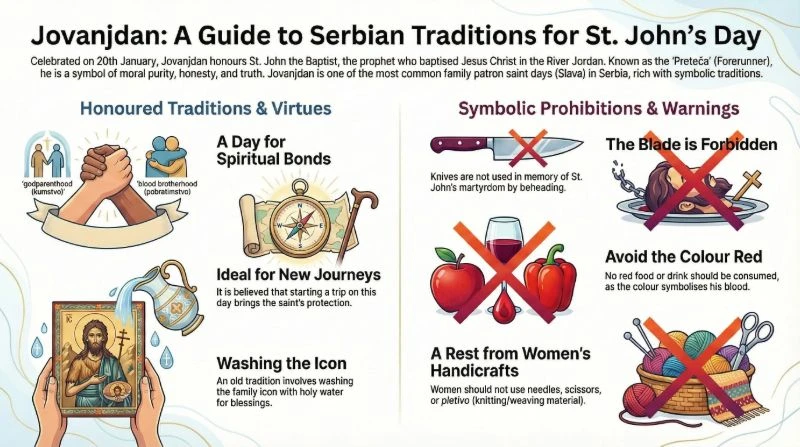
Jovanjdan is a Slava rich in folk traditions passed down through generations:
- Godparenting and Brotherhood: St. John is the protector of these spiritual bonds. In Serbian culture, it is believed that the strongest friendships and "Kumstvo" are formed and honored on this day.
- The Prohibition of Knives: There is an ancient custom not to use knives on this day, nor to handle anything that recalls the martyrdom of St. John (who was beheaded). Traditionally, children are told not to eat or drink anything of red color (symbolizing blood).
- Washing Traditions: In some regions, it is believed that Jovanjdan is the last day when laundry can be washed with cold water before the deep winter frost "kills the water."
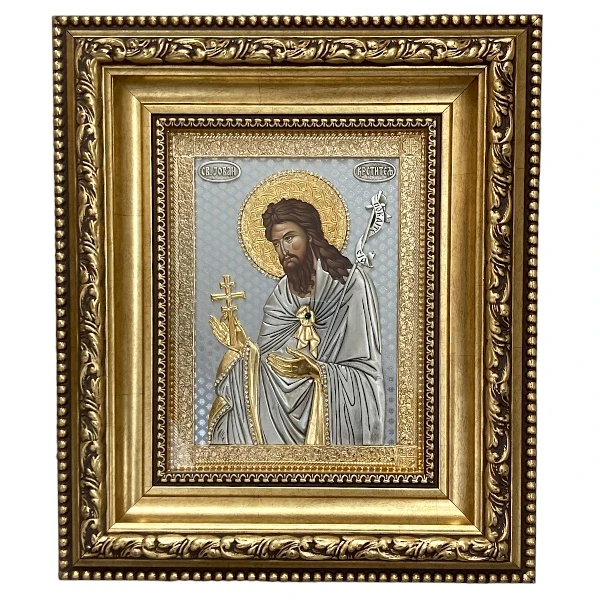
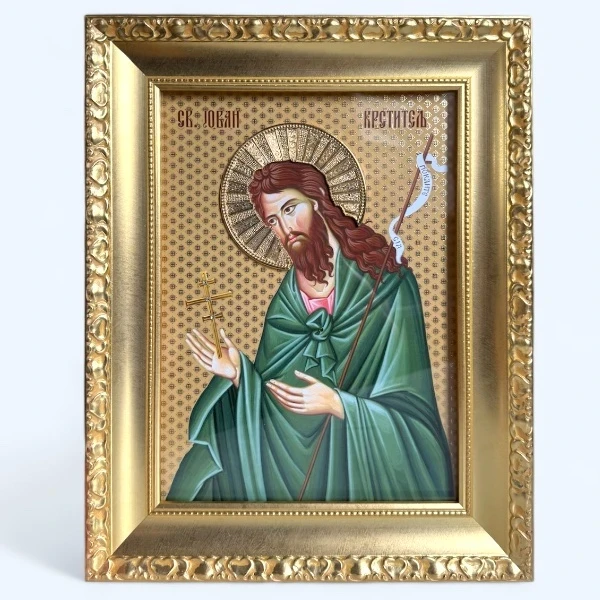
The Icon of St. John – The Guardian of Your Home
On icons, St. John is often depicted with wings (as the "Angel of the Desert") or holding his own severed head, symbolizing martyrdom and eternal life.
- Recommendation for Your Home: Every household celebrating Jovanjdan should have a dignified icon. View our selection of handcrafted icons of St. John the Baptist on wood and silver.
- Slava Buklija: Since this is a major Slava, it is custom to invite guests using a traditional "buklija" (ceremonial flask). Our traditional wooden flasks and čuturas are the ideal way to preserve this beautiful custom.
The History and Significance of St. John the Baptist
Saint John the Baptist is one of the most pivotal figures of the New Testament and one of the most revered saints in all of Christendom. He was a contemporary of Jesus Christ, His kinsman by flesh, and the one who prepared the path for the Savior’s arrival.
- The Prophet and Forerunner: He is called the Forerunner because he preceded Christ to announce His coming, calling people to repentance. He was the "voice of one crying in the wilderness" who baptized people in the Jordan River, preparing their hearts for the Christian faith.
- The Baptist of the Lord: The most sublime moment of his life was the Epiphany (Theophany), when he had the immense honor of baptizing Jesus Christ in the Jordan River. At that moment, the heavens opened, and the voice of God the Father was heard while the Holy Spirit descended in the form of a dove.
- Martyrdom: Saint John was an unwavering champion of truth and morality. He suffered a martyr's death because he publicly criticized the immorality of King Herod. At the request of Salome, Herod’s stepdaughter, he was beheaded. The Church commemorates this event on the feast of the Beheading of St. John the Baptist (September 11th).
- Greatest Born of Women: Jesus Christ Himself said of John: "Among those born of women there has not risen anyone greater than John the Baptist," placing him in the highest spiritual hierarchy alongside the Most Holy Mother of God (Theotokos).
FAQ (Frequently Asked Questions)
Is St. John the Baptist always a meat-based (mrsna) Slava?
Typically yes, but it depends on the calendar. If January 20th falls on a Wednesday or Friday, the feast must be Lenten (posna).
Why are knives and red food avoided on this day?
Folk tradition dictates avoiding knives and red-colored food/drinks in memory of the Saint’s martyrdom (beheading), as red symbolizes his blood.
What is a traditional gift for someone celebrating Jovanjdan?
A meaningful gift would be a hand-painted icon, a wooden čutura (flask), or a high-quality bottle of wine.
Related products
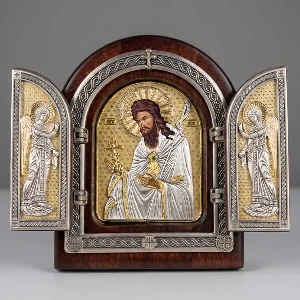
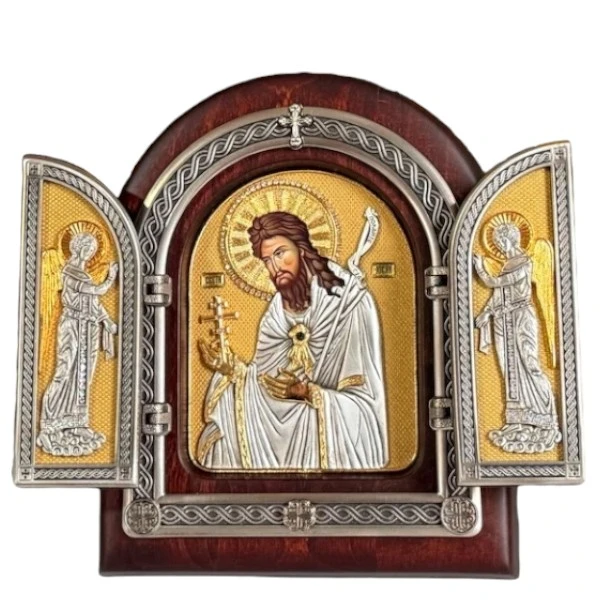
Saint John the Baptist Triptych – Gilded Icon of the Forerunner - (22x18 cm)
Saint John Icon – Spiritual Vigilance in a Practical Size - (14 x 12 cm)
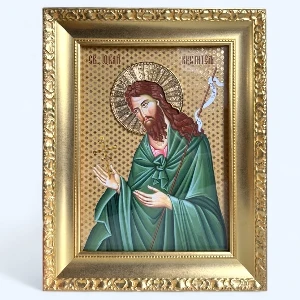
Saint John the Baptist Icon – The Gilded Forerunner's Blessing - (41 x 33 cm)
Read also
Orthodox Feast Days and Family Slavas in August – Calendar, Traditions and Meaning
Colorful Šajkača – Serbia's Traditional Hat in a Modern Style
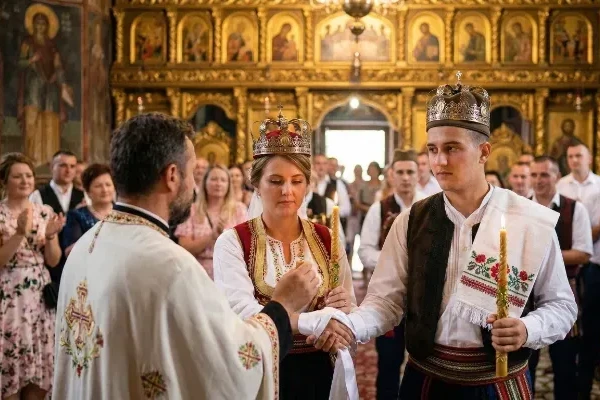
A Guide to Serbian Wedding Customs
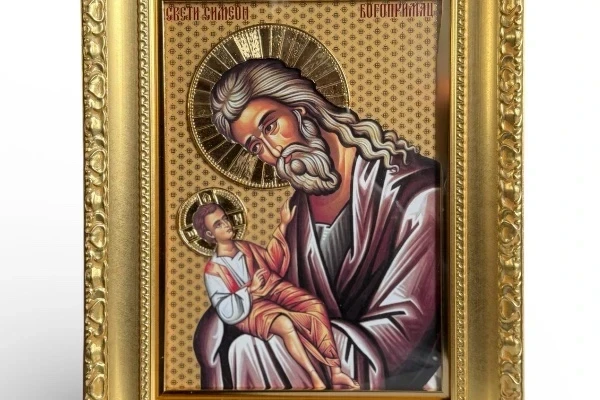
St. Simeon the God-receiver and Anna the Prophetess – The Witnesses of Christ
Saint Simeon the God-receiver: The Righteous Witness of the Promised Messiah
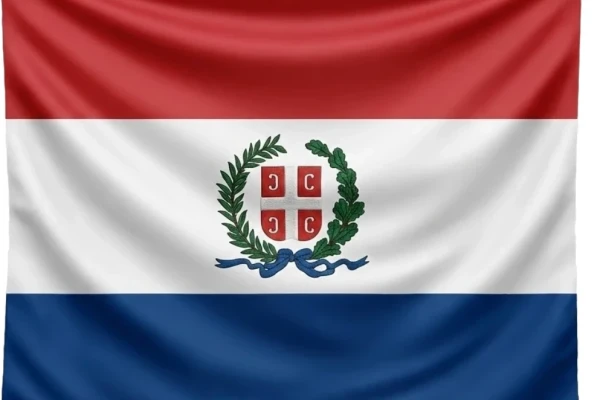
…
The Meeting of the Lord (Sretenje) – Serbian Statehood Day & Traditions
Sretenje: The Encounter of God and Man & the Celebration of Serbian Liberty
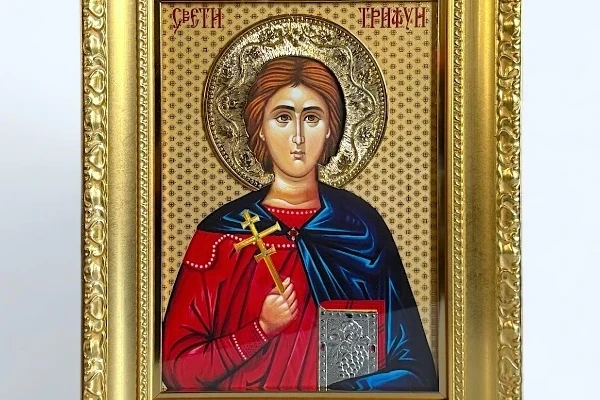
…
Slava St. Tryphon – Patron of Vineyards, Customs and Tradition
Saint Tryphon: The Guardian of Vineyards and the Orthodox Tradition of Love
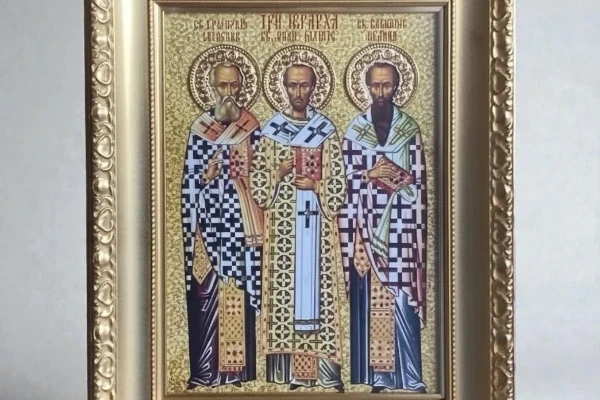
…
The Three Holy Hierarchs – Basil the Great, Gregory the Theologian, and John Chrysostom
The Three Holy Hierarchs: The Pillars of Orthodox Wisdom and Unity

Serbian Water Polo: Fun Facts, History, and Champions' Gear
When you mention Serbian sports, the first associations with absolute dominance,…
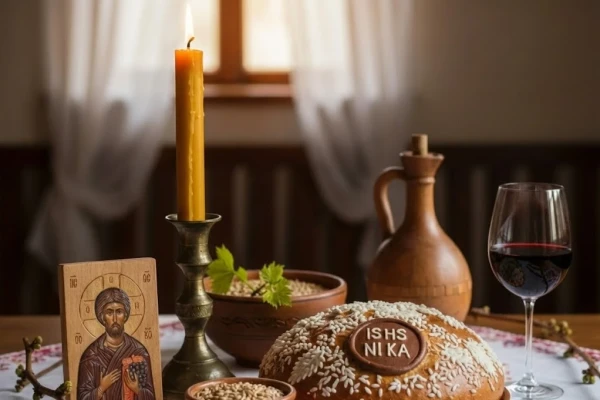
Serbian Slava in February: Celebrating Faith and Identity
February, though the shortest month, is rich with significant Patron Saint Days…