


Christmas holidays and customs
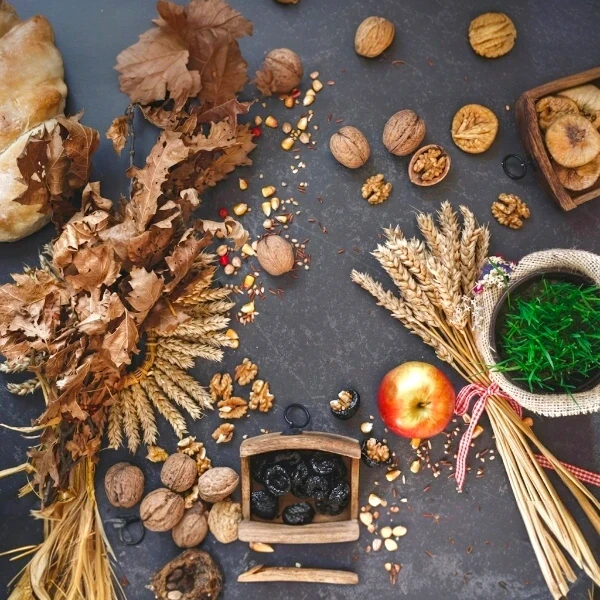
Christmas is the most joyous Christian holiday, celebrated for three days in honor of Christ's birth. However, for the Serbian people, Christmas is not just a single day – it is an entire cycle of beautiful family holidays celebrating children, mothers, fathers, and togetherness.
One of the most beautiful customs connecting all these days is gifting. Through its rich tradition, the Serbian people have built a unique identity, and at SerbianShop, we believe that identity is best preserved through authentic gifts that carry the spirit of our folklore.
In this guide, we walk you through the calendar of Serbian Christmas holidays and suggest the best gifts from Serbia to delight your loved ones, wherever they may be.
A Guide to Serbian Christmas Holidays and Traditions: Family, Faith, and Gifting
The Christmas Holiday Calendar: A Cycle of Joy
The cycle of holidays dedicated to Christ's birth is rich and diverse. Each one carries its own symbolism and specific customs:
- Detinci, Materice, and Oci: Holidays of family bonding and symbolic gifting.
- Tucindan: The day for preparing the Christmas roast.
- Badnji dan and Badnje veče (Christmas Eve): Bringing in the Badnjak (Yule log) and the family Lenten dinner.
- Božić (January 7th): The joyous day of Christ's birth.
- Holidays following Christmas: New Year, Epiphany (Bogojavljenje), St. John's Day (Jovanjdan), and St. Sava's Day (Savindan).
For these holidays, gifts do not need to be expensive; a small token of affection, like a traditional souvenir, is enough to show love and respect.
1. The Pre-Christmas Gifting Cycle: Detinci, Materice, and Oci
These three consecutive Sundays before Christmas are purely family holidays. The central custom is playfully "tying up" family members and their subsequent "untying" (redeeming themselves) with gifts, symbolizing unbreakable family bonds.
- Detinci (Children's Day - 3rd Sunday before Christmas): Adults playfully tie children's legs with string or ribbon. The children then "untie" themselves by giving small gifts they have prepared beforehand, learning mindfulness towards adults.
- Materice (Mothers' Day - 2nd Sunday before Christmas): Children tie up their mothers. The mother is then "freed" only after she gives the children gifts she has prepared in advance.
- Oci (Fathers' Day - 1st Sunday before Christmas): Fathers are celebrated in the same way, giving gifts to children and other family members to "redeem" themselves.
2. Preparations for the Most Joyous Day: Tucindan and Badnji Dan
As Christmas approaches, customs become more vivid, focusing on preparing the home for the arrival of Christ.
- Tucindan (Two days before Christmas): Traditionally, this is the day when the "pečenica" (a roasted pig or lamb) is prepared for the Christmas feast.
- Badnji dan and Badnje veče (Christmas Eve): This day is full of deep symbolism. The central event is cutting and ceremonially bringing the Badnjak (a young oak tree representing the Yule log) into the house. The Badnjak symbolizes the wood that Joseph brought to warm the cold cave where Jesus was born.
- The Custom: Along with the Badnjak, straw is brought into the house and spread under the table where the Lenten dinner is served. Sweets and small gifts are hidden in the straw for children to find while "chirping" like little chicks (pijukanje).
3. Božić (Christmas Day): The Položajnik and Česnica
Christmas is the crown of this cycle. On this festive day, family members dress in their best clothes and welcome the first guest – the Položajnik – in a celebratory spirit.
- The Položajnik (The First Guest): When the Položajnik arrives, they stoke the fire (symbolically using the Badnjak branch) and recite a Christmas toast, invoking health, happiness, and prosperity into the home. In return, the hosts serve them and traditionally present them with a suitable gift.
- The Česnica (Christmas Bread): A special round loaf – the Česnica – is prepared for Christmas breakfast. A coin is hidden inside the dough. It is believed that whoever finds the coin in their piece of bread will have good luck and prosperity throughout the coming year. The host often gifts them additional money as well.
Gift Guide: The Best Gifts from Serbia for Christmas Holidays
If you are wondering what to gift your family members for Christmas, the answer lies in tradition. The best gifts are those that are authentic and tied to our folk customs. Here are our suggestions from the Serbian Shop offer:
Gifts for Mothers (for Materice or Christmas)
Delight mothers, grandmothers, or wives with items that bring warmth to the home and kitchen:
Gifts for Fathers (for Oci or Christmas)
For fathers and hosts, traditional gifts celebrating Serbian hospitality are ideal:
- Everything related to the favorite Serbian drink – rakija: traditional "čokanj" glasses, wooden flasks (buklija/čutura), or vintage-style shot glasses.
Gifts for Children (for Detinci or Christmas)
Depending on their age, gifts should be fun and educational:
What to Gift the Položajnik?
The Položajnik is a special guest and deserves a special gift. There is no better or more authentic gift than a pair of hand-knitted, traditional wool socks, symbolizing warmth and care.
Mir Božiji, Hristos se rodi! (Peace of God, Christ is Born!)
FAQ – Frequently Asked Questions about Serbian Christmas Customs
When are Materice and Oci celebrated?
Materice (Mothers' Day) is always celebrated on the second Sunday before Christmas, and Oci (Fathers' Day) on the first Sunday immediately before Christmas.
What is an appropriate gift for the Položajnik?
The Položajnik is traditionally gifted with something representing warmth and attention. Wool socks, a towel, a shirt, or a beautifully packaged wooden flask (čutura) are excellent choices.
What goes into the Česnica besides the coin?
Besides the coin (for wealth), in some regions, a small piece of Badnjak wood (for health), a corn kernel (for success in the fields/work), or a bean is also added.
Related products
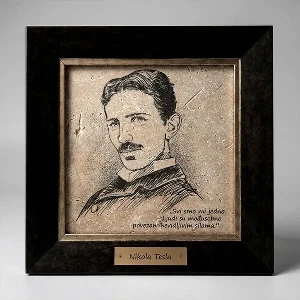
Nikola Tesla Portrait on Stone 28x28 cm
Read also
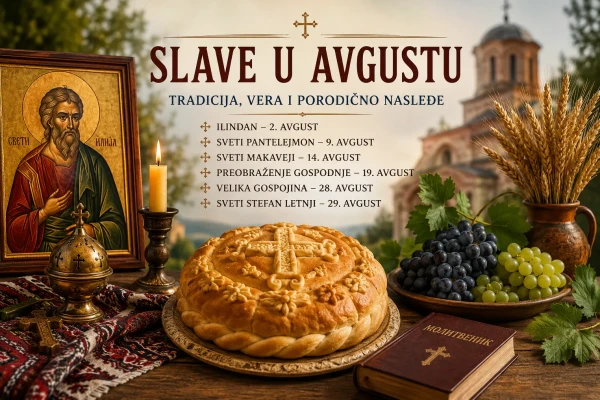
Orthodox Feast Days and Family Slavas in August – Calendar, Traditions and Meaning
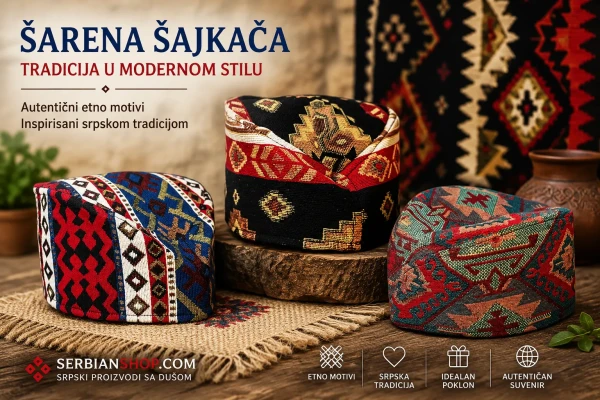
Colorful Šajkača – Serbia's Traditional Hat in a Modern Style
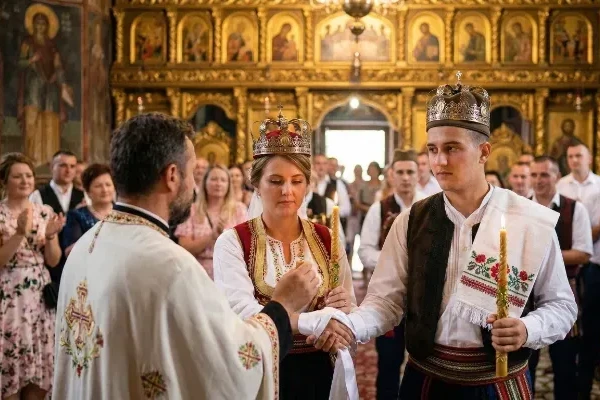
A Guide to Serbian Wedding Customs
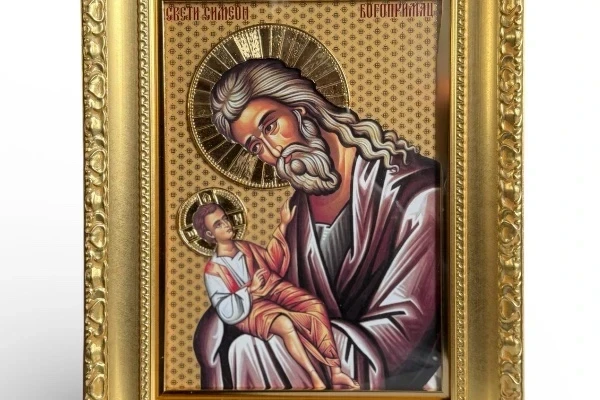
St. Simeon the God-receiver and Anna the Prophetess – The Witnesses of Christ
Saint Simeon the God-receiver: The Righteous Witness of the Promised Messiah
…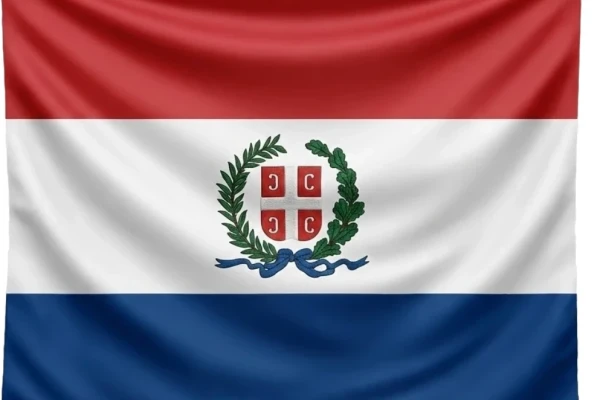
The Meeting of the Lord (Sretenje) – Serbian Statehood Day & Traditions
Sretenje: The Encounter of God and Man & the Celebration of Serbian Liberty
…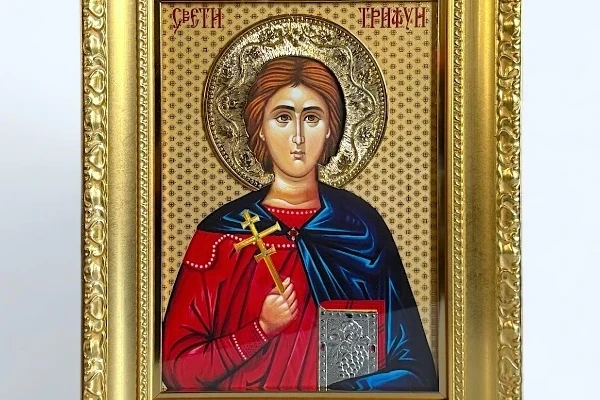
Slava St. Tryphon – Patron of Vineyards, Customs and Tradition
Saint Tryphon: The Guardian of Vineyards and the Orthodox Tradition of Love
…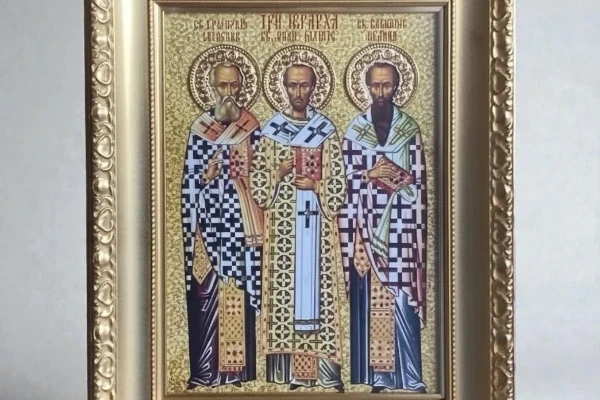
The Three Holy Hierarchs – Basil the Great, Gregory the Theologian, and John Chrysostom
The Three Holy Hierarchs: The Pillars of Orthodox Wisdom and Unity
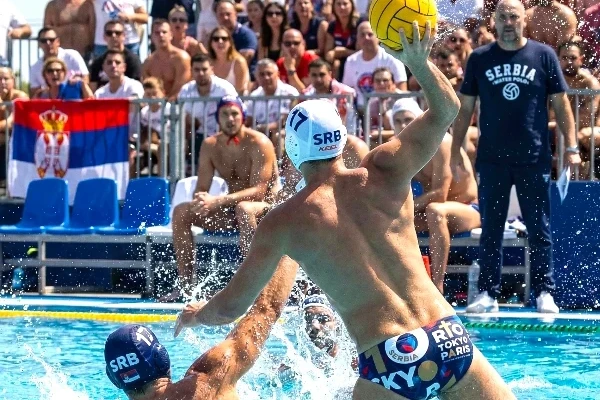
Serbian Water Polo: Fun Facts, History, and Champions' Gear
When you mention Serbian sports, the first associations with absolute dominance,…
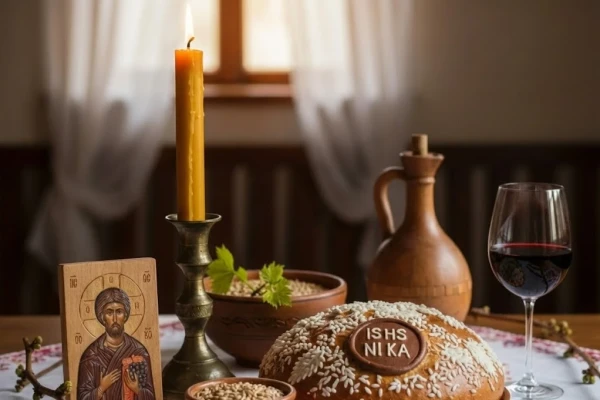
Serbian Slava in February: Celebrating Faith and Identity
February, though the shortest month, is rich with significant Patron Saint Days…