


Slava Precious Chains of St Peter – Customs and Traditions
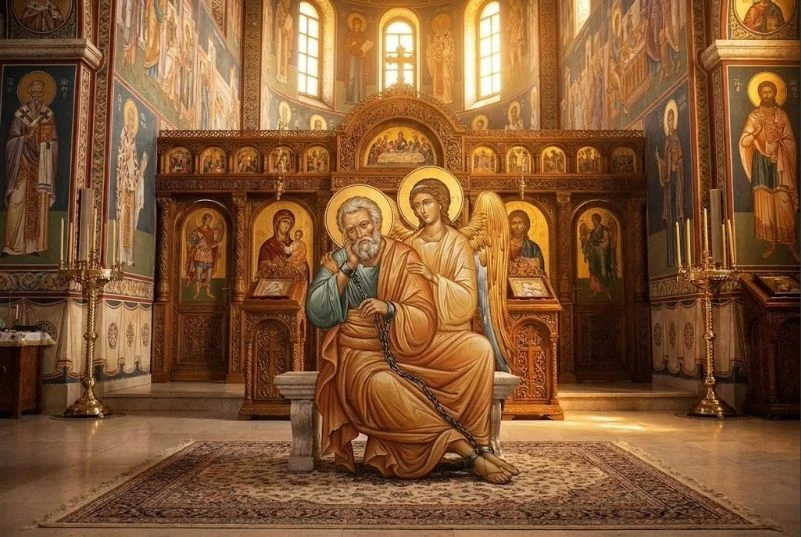
The Precious Chains of St. Peter: The Slava that Marks the End of Winter's Grasp
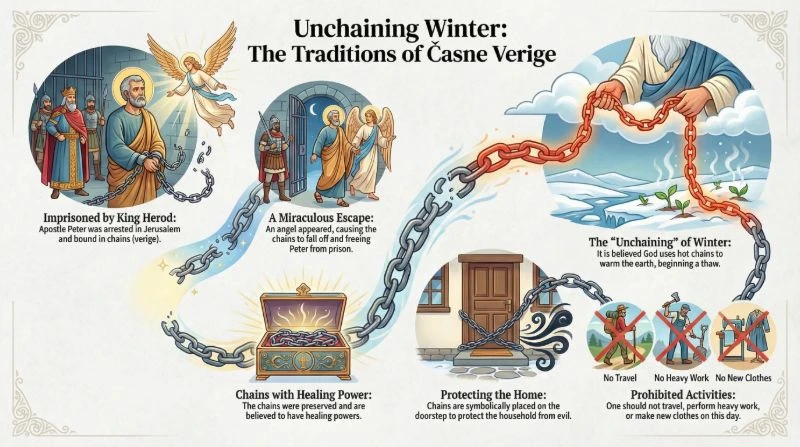
What is the Significance of the Precious Chains?
This feast is not dedicated to the Apostle Peter personally (his main day is Petrovdan in July), but to the miraculous event following his imprisonment in Jerusalem by King Herod. Bound with two iron chains, Peter was miraculously freed when an Angel appeared, and the chains simply fell from his hands. These chains were preserved by Christians for their healing powers and are now kept in the Church of San Pietro in Vincoli in Rome.
Serbian Folk Customs: "Unshackling" Winter
In Serbian tradition, "Verige" represents a seasonal turning point:
- The Awakening of Nature: It is believed that from this day onward, nature begins to stir, and winter starts to lose its grip. Folklore says that the "earth gets warmer" as the chains of winter are unfastened.
- Prohibitions on Ironwork: A strong folk tradition dictates that on this day, one should not work with chains, hoops, or any iron objects. It was historically believed that doing so could attract lightning or bring bad luck to the household's livestock.
- Unity of the Home: Families gather on this day to ensure the strength and unity of the household for the coming year.
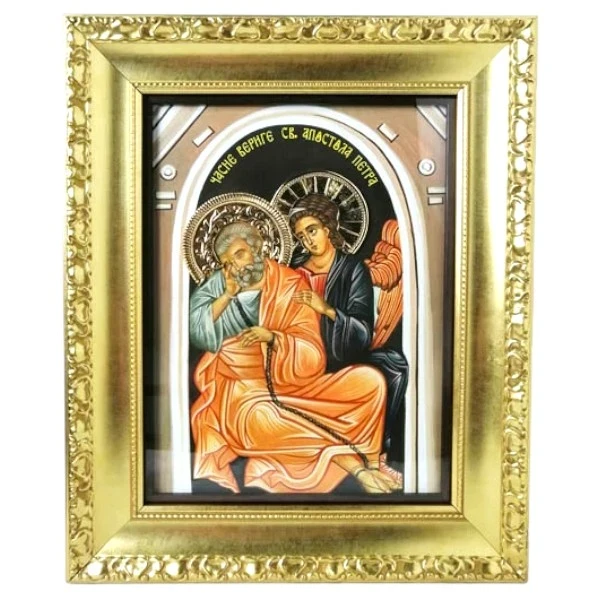
Icons and Traditional Gifting
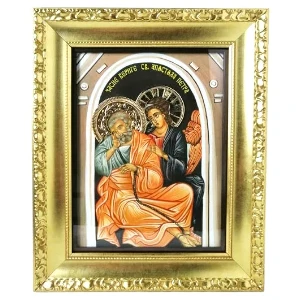
The iconography of this feast typically depicts St. Peter in his dungeon as an Angel guides him toward freedom.
- Iconography: For those celebrating this specific Slava, an icon of St. Peter is a cherished protector.
- Gifts for the Host: High-quality censer sets or incense are popular gifts, symbolizing the prayers that rise up just as Peter’s prayers were answered in the dungeon.
The History and Significance of the Precious Chains of St. Peter
The feast of the Precious Chains is not dedicated to the day of St. Peter's death, but to one of the most striking miracles described in the Acts of the Apostles. This holiday celebrates the power of faith that liberates from shackles, both literally and spiritually.
- Imprisonment in Jerusalem: Following the martyrdom of St. Stephen, King Herod Agrippa began persecuting Christians. He seized the Apostle Peter and threw him into prison, binding him with two iron chains (verige), while guards stood watch.
- The Miraculous Deliverance: On the night before his trial, while Peter was sleeping, a bright light appeared in the dungeon, and an Angel of the Lord stood there. The Angel struck Peter on the side to wake him and said, "Arise quickly!" At that moment, the chains fell off his hands. Following the Angel past the guards, the heavy iron gate of the prison opened by itself.
- The Fate of the Chains: Christians preserved these chains carefully, noticing they possessed healing powers. It was believed that touching the chains could cure diseases. Later, the chains were moved to Constantinople and eventually to Rome, where they are still kept today in the Church of San Pietro in Vincoli (St. Peter in Chains).
- Symbolism of Freedom: For Orthodox believers, the Precious Chains are a symbol of Divine intervention in the darkest moments and a reminder that no earthly shackles can defeat spiritual freedom.
FAQ – Frequently Asked Questions
Is this holiday dedicated to Saint Peter or the object itself?
While it commemorates the miraculous release of Saint Peter from prison, the feast specifically venerates the Precious Chains themselves. Having touched the Apostle’s body during a Divine miracle, the chains are considered a holy relic with the power to heal.
Are there specific prohibitions regarding work on this day?
According to Serbian folklore, manual labor—especially involving metal, iron, or chains—should be avoided. There is a symbolic belief that on this day, winter's "shackles" begin to loosen, so people avoid sewing or weaving to prevent "binding" the household's luck.
Why is this day associated with wolves in folk tradition?
In ancient rural traditions, Saint Peter was seen as a protector of livestock. The "chains" symbolize the spiritual shackles that keep wolves away from the herds. By not touching real chains on this day, farmers believed they were symbolically keeping predators at bay.
What are the fasting rules for this Slava?
The feast is typically meat-based (mrsna). However, if January 29th falls on a Wednesday or Friday, the meal must be Lenten (posna), adhering to Orthodox fasting guidelines.
Related products
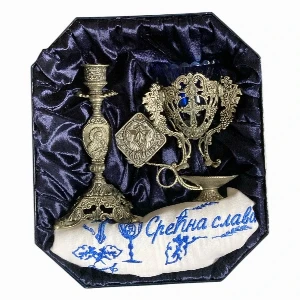
Complete 5-Piece Slava Ritual Set – Antique Silver Patina

Read also
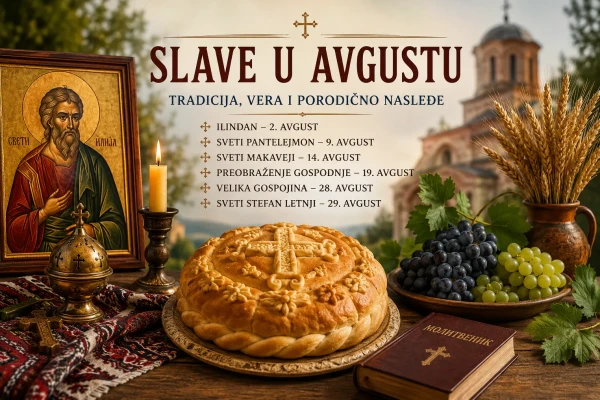
Orthodox Feast Days and Family Slavas in August – Calendar, Traditions and Meaning

Colorful Šajkača – Serbia's Traditional Hat in a Modern Style
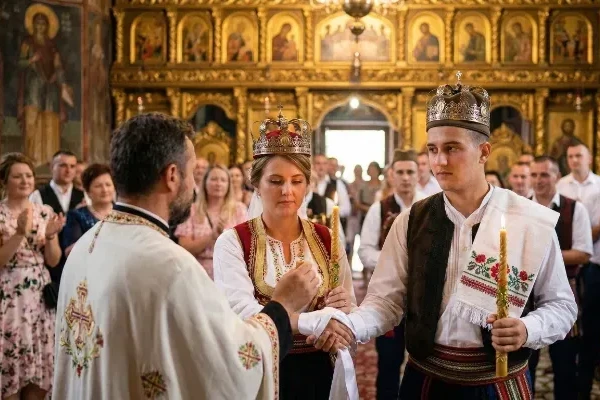
A Guide to Serbian Wedding Customs
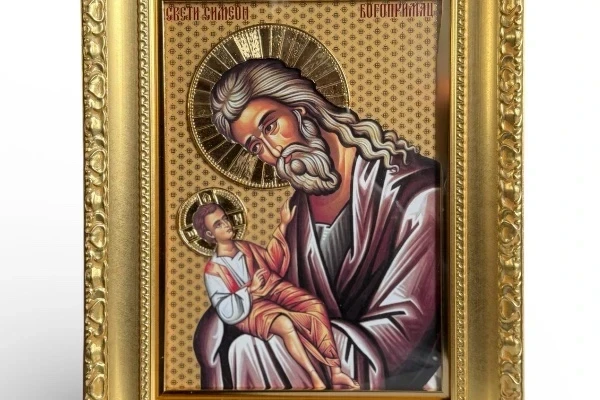
St. Simeon the God-receiver and Anna the Prophetess – The Witnesses of Christ
Saint Simeon the God-receiver: The Righteous Witness of the Promised Messiah
…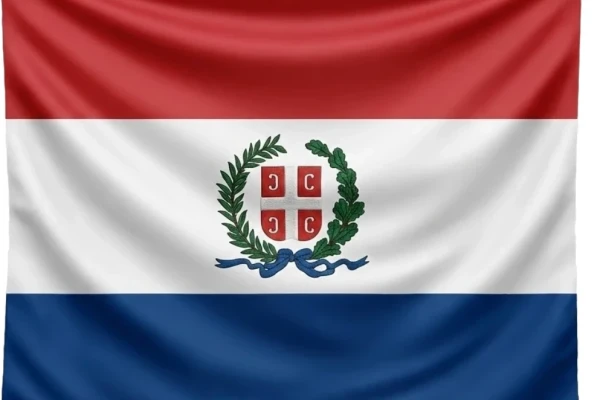
The Meeting of the Lord (Sretenje) – Serbian Statehood Day & Traditions
Sretenje: The Encounter of God and Man & the Celebration of Serbian Liberty
…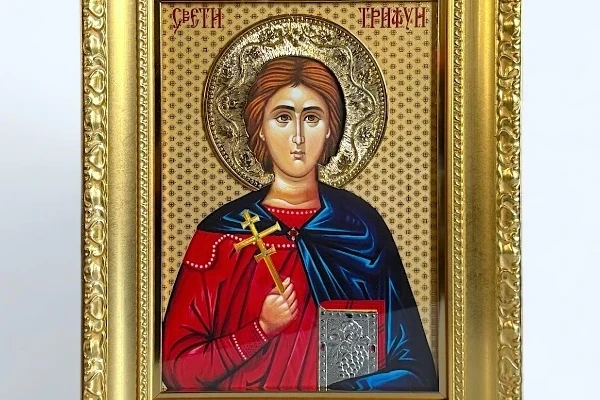
Slava St. Tryphon – Patron of Vineyards, Customs and Tradition
Saint Tryphon: The Guardian of Vineyards and the Orthodox Tradition of Love
…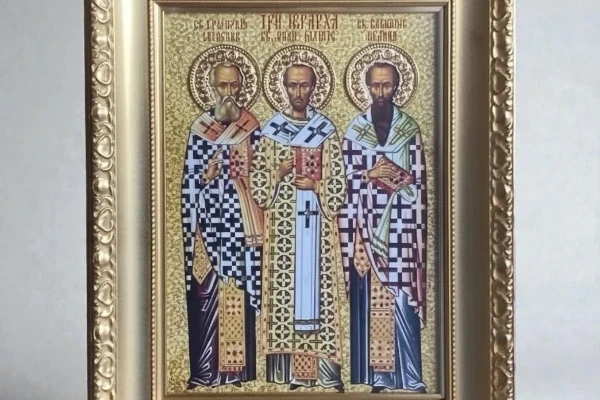
The Three Holy Hierarchs – Basil the Great, Gregory the Theologian, and John Chrysostom
The Three Holy Hierarchs: The Pillars of Orthodox Wisdom and Unity

Serbian Water Polo: Fun Facts, History, and Champions' Gear
When you mention Serbian sports, the first associations with absolute dominance,…
Serbian Slava in February: Celebrating Faith and Identity
February, though the shortest month, is rich with significant Patron Saint Days…