


Slava Saint Sava – Savindan: Customs, Life and the Patron of Schools
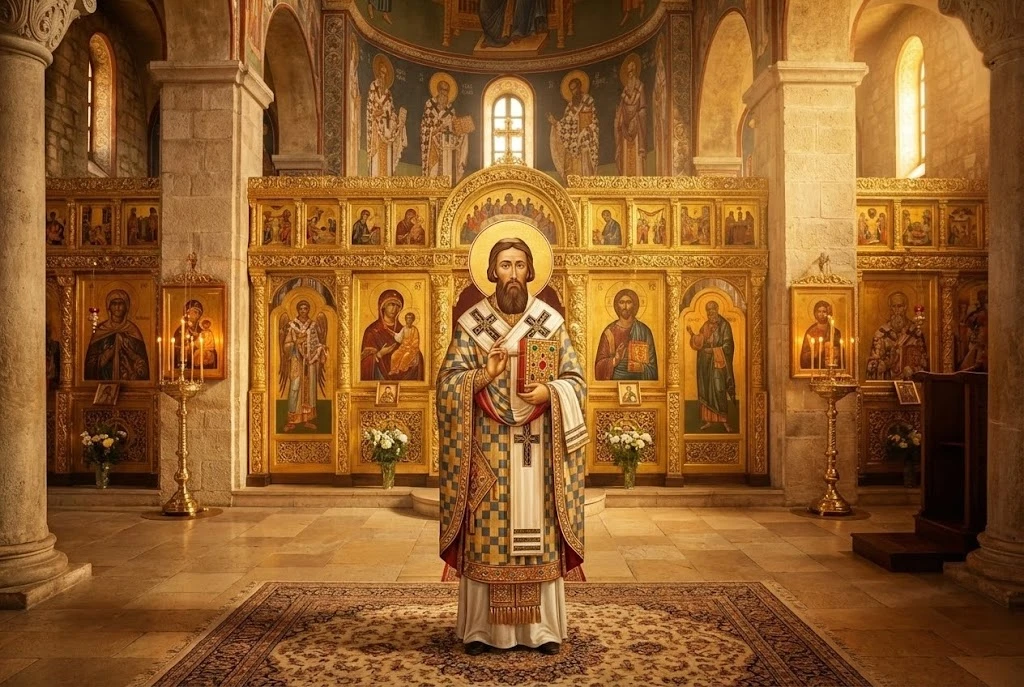
Saint Sava – Savindan: The Father of the Serbian Church, School, and State
Who was Saint Sava?
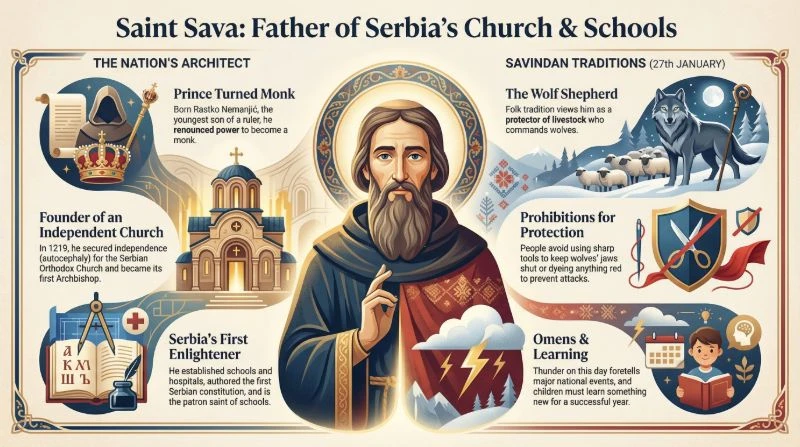
Born as Rastko Nemanjić, the youngest son of the Grand Župan Stefan Nemanja, he renounced his royal power and wealth to become the monk Sava on Mount Athos. He fought for and secured the autocephaly (independence) of the Serbian Orthodox Church, becoming its first Archbishop. He was a diplomat, physician, writer, and peacemaker who reconciled his quarreling brothers and laid the foundations of the modern Serbian state and culture.
Folk Customs and the Celebration of Savindan
Savindan is a holiday deeply rooted in the soul of the Serbian people:
- The School Slava: Since 1840, Saint Sava has been officially celebrated as the patron saint of all schools. On this day, schools across Serbia and the Diaspora hold ceremonies, cut the Slava cake, and students perform songs in honor of the Saint ("Uskliknimo s ljubavlju").
- The "Wolf" Traditions: In folk tradition, Saint Sava is considered the "shepherd of wolves." Ancient beliefs suggest that on this day, tools like knives or razors should not be opened to protect livestock from wolves.
- Prohibition of Red: Some folk customs suggest avoiding work with red wool or leather on this day.
- Hospitality: It is believed that no traveler or poor person should be turned away on Savindan, as the Saint himself often traveled the land in the guise of a humble beggar to test people's hearts.

St. Sava in Your Home – Icons and Slava Gifts
Since Saint Sava is the protector of schools and children, his icon holds a central place in every Serbian home, especially for those celebrating Savindan as their Krsna Slava.
- The Slava Icon: Explore our collection of Orthodox icons of St. Sava – from desk miniatures to large, gold-plated family icons.
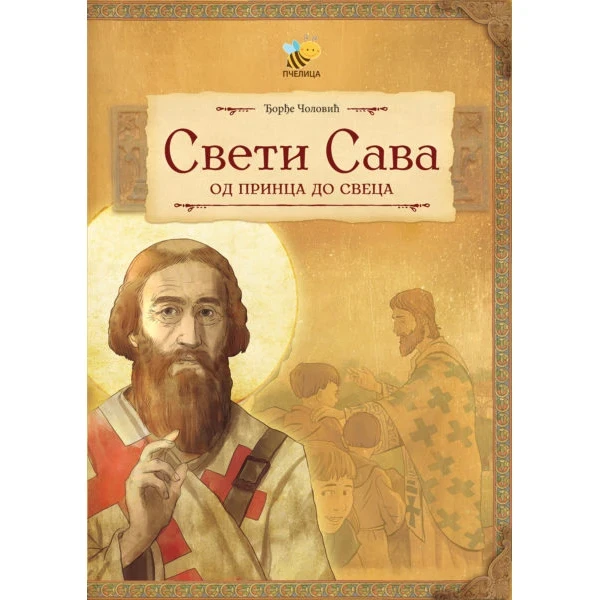
- Gifts for Hosts: Going to a Slava? An authentic Serbian souvenir or a book about the first Serbian Archbishop makes a perfect traditional gift.


The History and Significance of Saint Sava
Saint Sava (born as Rastko Nemanjić) is much more than a saint; he is the architect of the Serbian state, church, and culture. His decision to exchange a royal crown for a monastic robe altered the course of Balkan history forever. He was the first Serbian enlightener, legislator, and the first Archbishop of the autocephalous Serbian Church.
- Renouncing the Throne: Rastko, the youngest son of the Grand Prince Stefan Nemanja, fled to Mount Athos as a youth to become a monk. This act demonstrated that the spiritual growth and education of a nation were more vital than personal power and royal wealth.
- Independence of the Church: In 1219 AD, in Nicaea, Sava successfully negotiated the autocephaly (independence) of the Serbian Orthodox Church. He became the first Serbian Archbishop, granting Serbia spiritual sovereignty that persists to this day.
- Reconciling His Brothers: One of the most critical moments in his life was his return to Serbia with the relics of Saint Simeon (his father, Stefan Nemanja). Over their father's body, Sava reconciled his quarreling brothers, Stefan and Vukan, preventing a civil war and saving the nation from collapse.
- Legislator and Educator: He authored the Nomocanon (Zakonopravilo), the first Serbian constitution, which regulated life within both the church and the state. He founded schools, hospitals, and monasteries (such as Hilandar), teaching the people literacy, medicine, and various crafts
FAQ (Frequently Asked Questions)
Why is Saint Sava the patron of schools?
He is considered the first Serbian enlightener because he established schools within monasteries and taught the people literacy, faith, and crafts.
Is St. Sava a fasting Slava?
No, unless January 27th falls on a Wednesday or Friday.
What is a "Sava Ball"?
It is a traditional gala event held in the Diaspora and major Serbian cities to celebrate the cult of Saint Sava with music, dance, and charity.
Where is saint sava burried?
Saint Sava was initially buried at Mileševa Monastery, but his relics were moved and burned by the Ottomans in 1594 at the Vračar plateau in Belgrade; today, the massive Church of Saint Sava stands on the site where his remains were incinerated.
Related products
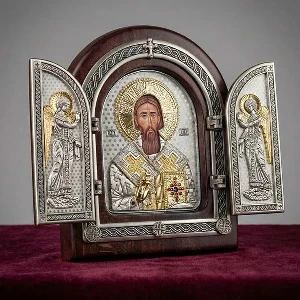
Saint Sava Triptych – Gilded Blessing of the First Serbian Archbishop - (22 x 18 cm)
SMALL WOODEN PUZZLE - SAINT SAVA
Framed Order of Saint Sava – Premium Commemorative Display
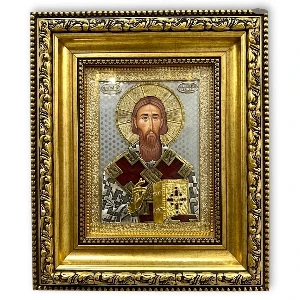
Saint Sava Orthodox Metal Icon (42 x 36 cm)
Read also
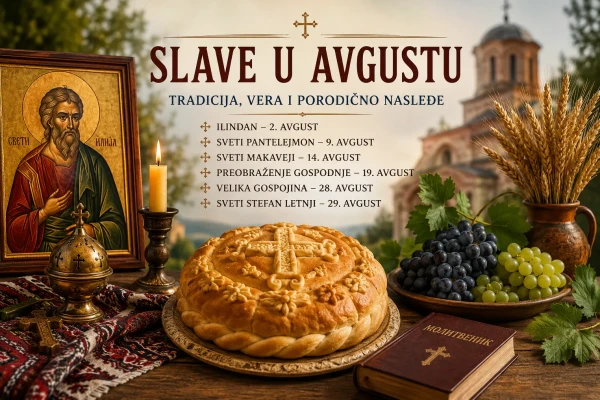
Orthodox Feast Days and Family Slavas in August – Calendar, Traditions and Meaning
Colorful Šajkača – Serbia's Traditional Hat in a Modern Style
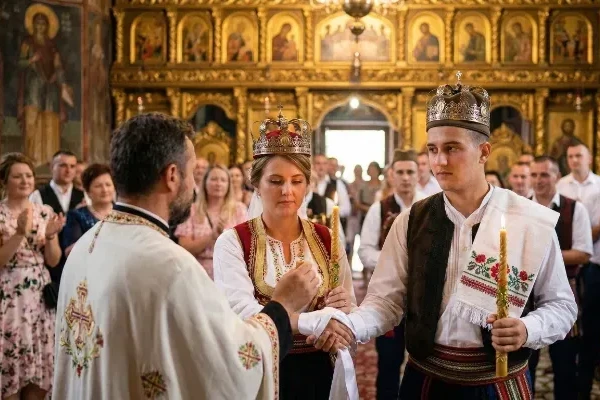
A Guide to Serbian Wedding Customs
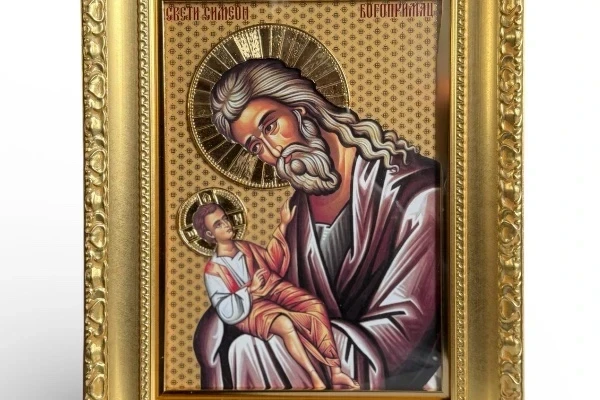
St. Simeon the God-receiver and Anna the Prophetess – The Witnesses of Christ
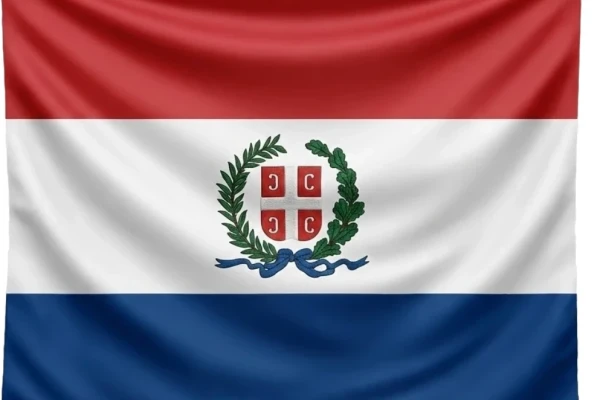
Saint Simeon the God-receiver: The Righteous Witness of the Promised Messiah
…
The Meeting of the Lord (Sretenje) – Serbian Statehood Day & Traditions
Sretenje: The Encounter of God and Man & the Celebration of Serbian Liberty
…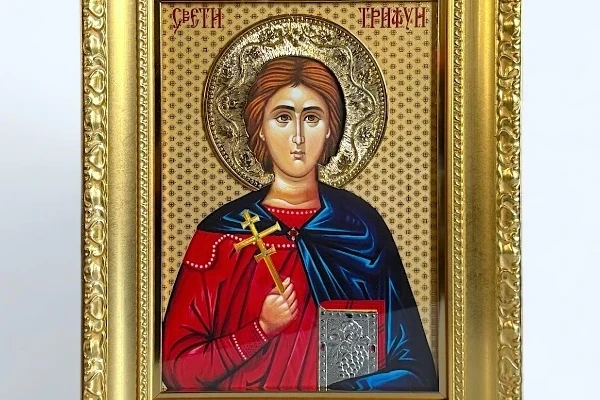
Slava St. Tryphon – Patron of Vineyards, Customs and Tradition
Saint Tryphon: The Guardian of Vineyards and the Orthodox Tradition of Love
…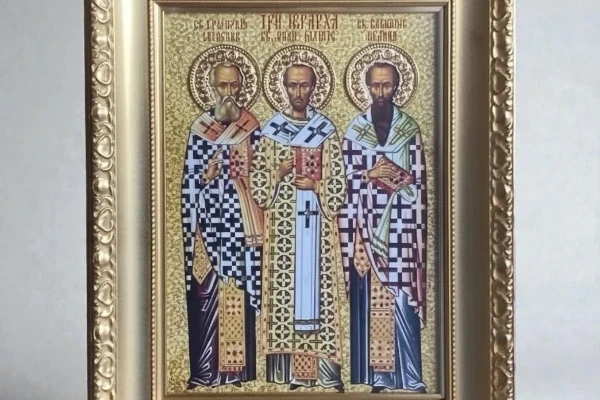
The Three Holy Hierarchs – Basil the Great, Gregory the Theologian, and John Chrysostom
The Three Holy Hierarchs: The Pillars of Orthodox Wisdom and Unity

Serbian Water Polo: Fun Facts, History, and Champions' Gear
When you mention Serbian sports, the first associations with absolute dominance,…
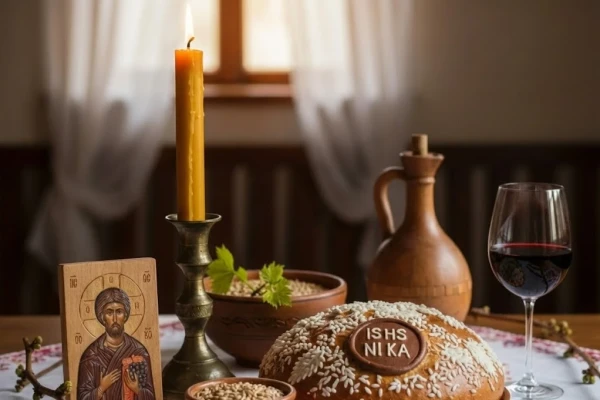
Serbian Slava in February: Celebrating Faith and Identity
February, though the shortest month, is rich with significant Patron Saint Days…