


Serbian Slava in January: Traditions, Dates & Authentic Gifts
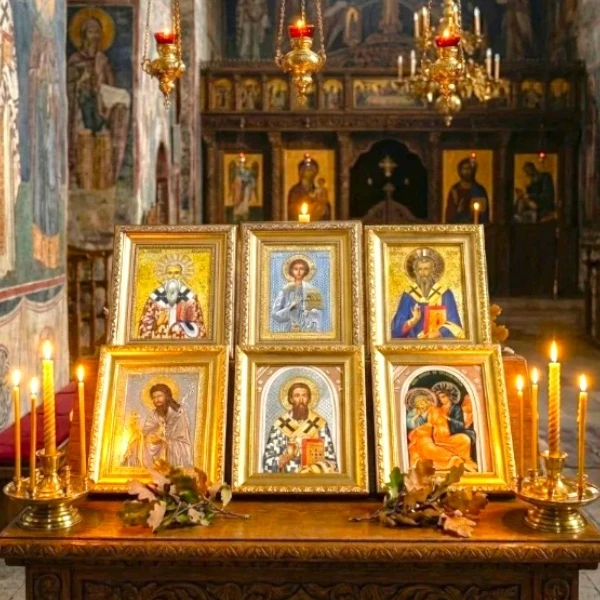
January is the most festive month for Serbian families worldwide. From Saint Ignatius to Saint Sava, the "Slava" (Patron Saint Day) is a cornerstone of Serbian identity. Explore unique customs, find out why January is so special for the Orthodox faith, and browse our collection of orthodox vigil lamps (kandel), icons, and religious items with worldwide delivery.
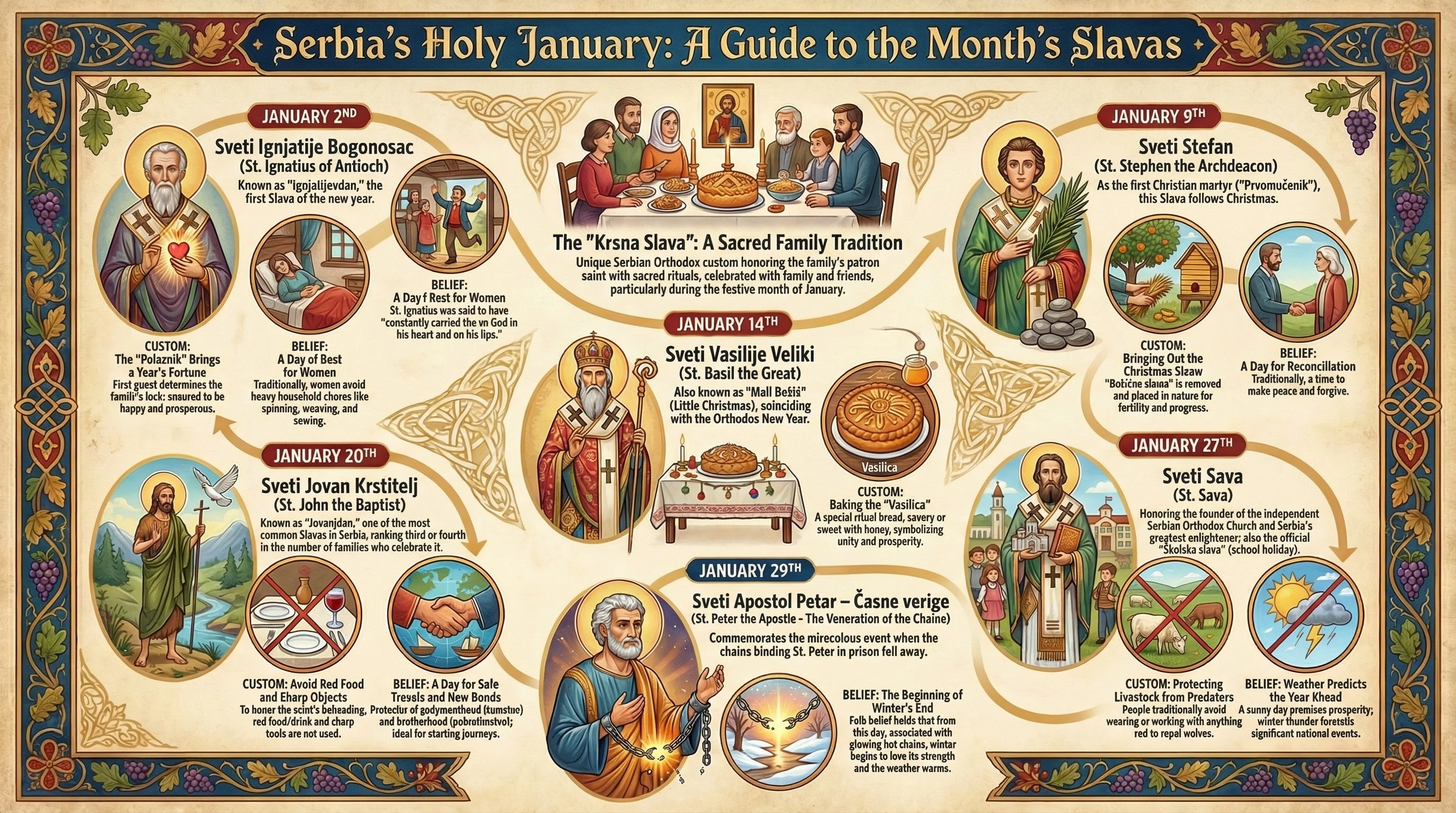
Serbian Slava in January: Celebrating Faith and Identity
For Serbians, the Slava is more than just a holiday; it is a way of expressing national identity and family heritage. In January, the festive spirit continues after Christmas with several major Patron Saint days.
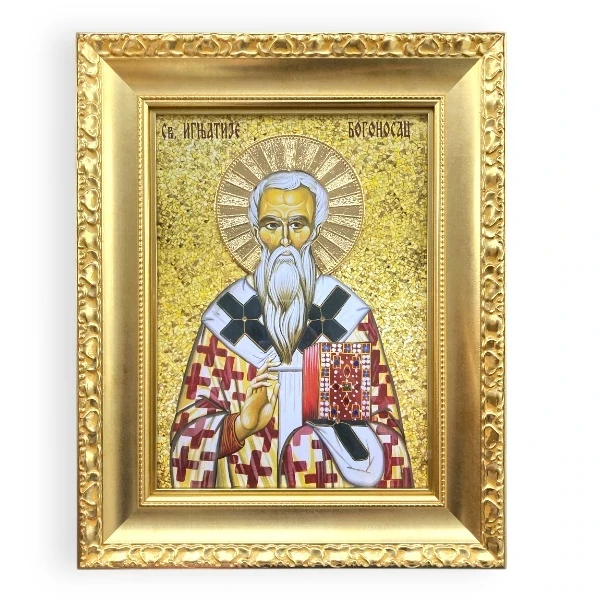
St. Ignatius the God-bearer (January 2nd)
The first Slava of the New Year honors Saint Ignatius. Traditional beliefs suggest avoiding heavy manual labor on this day. It is a time for family gatherings and preparing for the year ahead.
- The First Visitor (Polaznik): The most important belief is that the first person to enter the house on St. Ignatius Day (the "Polaznik") brings either good luck or misfortune for the entire coming year. Families often ensure that this "first foot" is a person of good character and health, who "steps" into the new year with blessings and prosperity.
- Peace and Serenity: This day is spent in silence and prayer, as it falls during the Nativity Fast. It is believed that one should avoid conflicts, swearing, and heavy manual labor to properly prepare for Christmas.
- "Chicken Christmas" (Kokošiji Božić): In some regions, this day is nicknamed "Chicken Christmas." Tradition dictates that poultry and livestock should be left undisturbed to ensure fertility, and children playfully pull each other’s ears for "good health" and growth in the new year.
- Restraint and Reflection: Strict fasting is observed. No new business ventures or major decisions are started; instead, the focus is on inner peace and spiritual readiness for the arrival of Christmas.
- Significance: St. Ignatius Day is the prelude to the holiday season, directing attention toward domestic harmony and the rituals that secure well-being for the months to follow.
- Gift Tip: This is the perfect time to gift a Icon of Saint Ignatius to a loved one or a host.
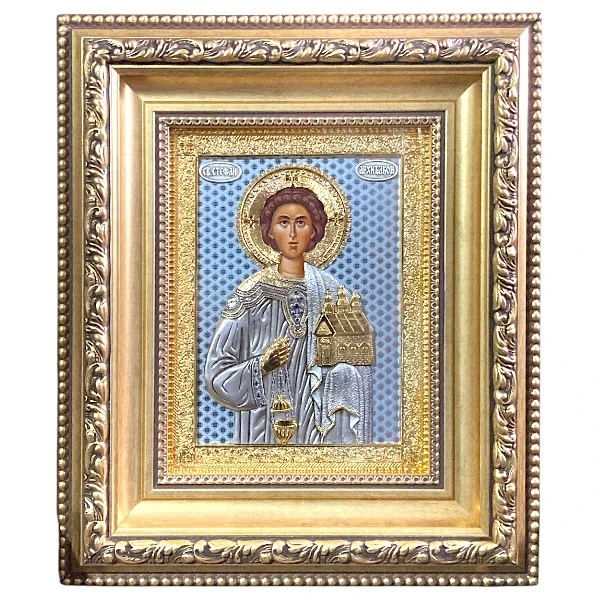
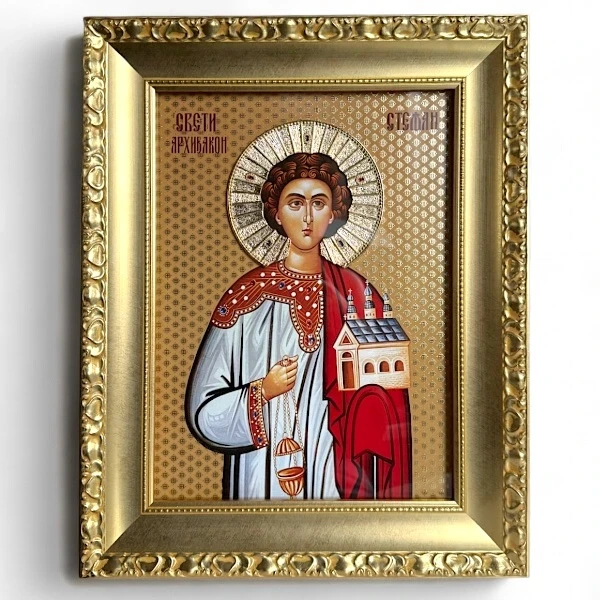
St. Stephen the Archdeacon (January 9th)
Known as the "Stevandan," Saint Stephen was the first Christian martyr. This Slava is widely celebrated in Serbia with over 40 churches dedicated to his name.
- The Christmas Straw: After the festivities, the Christmas straw is carefully collected and placed in barns, vineyards, orchards, or under beehives. It is believed to possess miraculous powers that ensure a bountiful harvest and prosperity. Women traditionally carry it out in silence, adhering to the custom that "Christmas should not be heard" leaving the house.
- Protection Against Evil: This day is marked by a belief in guarding the home against dark forces. People often avoid leaving their homes late at night, and many women practice specific traditional rituals to protect the household.
- A Major Patron Saint: Saint Stephen is one of the most frequently celebrated Patron Saint days (Slavas) in Serbia, honored as a remembrance of the first martyr of the Christian faith.
- Patron of the Nemanjić Dynasty: Saint Stephen was the holy protector of the medieval Nemanjić dynasty. His importance was so profound that Serbian rulers often added his name to their own as a title of divine protection (e.g., Stefan Nemanja).
- Recommended Gift for the Host: For those celebrating this great feast, we recommend our Exclusive crafted Icon of Saint Archdeacon Stephen, a centerpiece of spiritual beauty for any home.
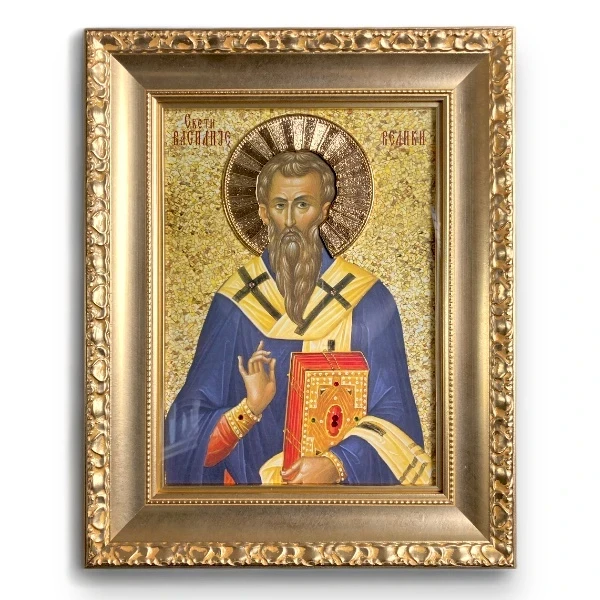
St. Basil the Great – "Little Christmas" (January 14th)
While St. Basil of Ostrog is celebrated in May, January 14th is dedicated to Saint Basil the Great, one of the Church's most influential theologians. This day also marks the Orthodox New Year.
- Vasilica Bread: The most important custom is baking the Vasilica—a ceremonial bread (savory or sweet with honey) that symbolizes unity and prosperity for the coming year.
- The New Year: As the first day of the year according to the Julian calendar, it is a day of joy. People often start a small task or bring something new into the home to ensure success in the year ahead.
- Distinction: It is important to distinguish this feast from St. Basil of Ostrog (May 12th). While both are deeply beloved, January 14th honors the 4th-century Archbishop of Caesarea.
- Gift Idea: An Icon of St. Basil the Great or a traditional wooden flask (Buklija) for New Year celebrations.
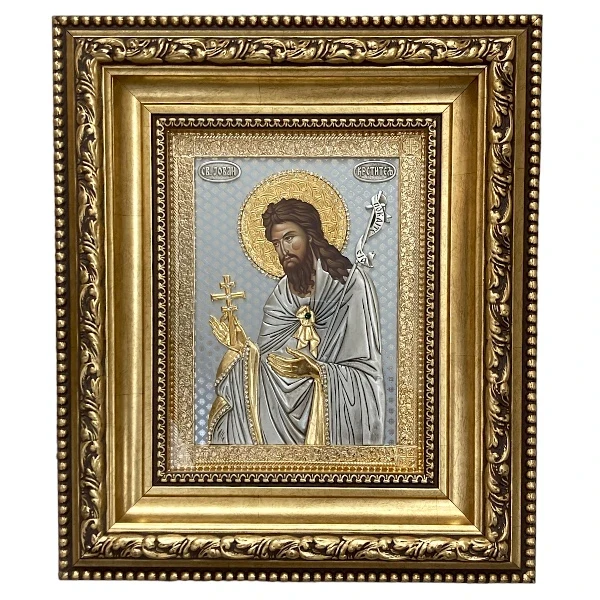
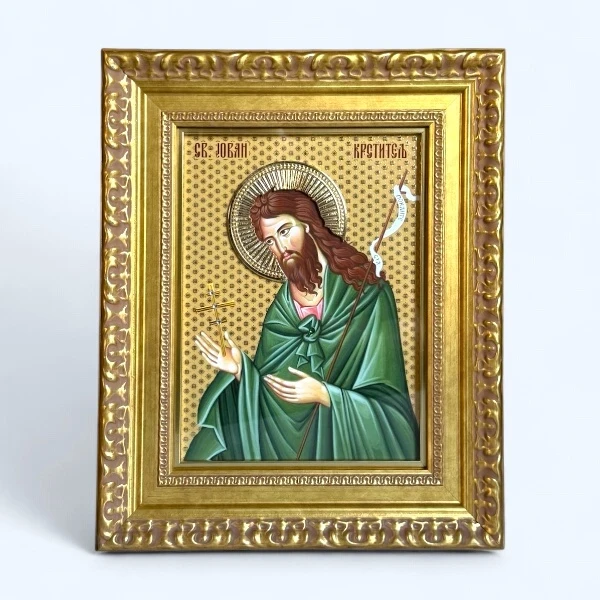
St. John the Baptist – Jovanjdan (January 20th)
St. John is one of the most significant figures in the Orthodox Church, known as the "Forerunner" who baptized Jesus Christ in the River Jordan.
- Patron of Brotherhood: He is considered the guardian of godparenting (kumstvo) and spiritual brotherhood. Many Serbian families honor him as their Patron Saint.
- Gifting Traditions: Since this is one of the most celebrated Slavas, a high-quality Icon of St. John the Baptist is a prestigious and spiritual gift for any host.
- Folk Customs: Traditional belief suggests that on this day, people should avoid using sharp objects (like knives) as a sign of respect for the Saint’s martyrdom.
St. Sava – The Enlightener of Serbia (January 27th)
Saint Sava is perhaps the most significant figure in Serbian history. He founded the Serbian Orthodox Church and is the patron saint of schools and education.
- Protector of Livestock: Saint Sava is traditionally revered as the protector of cattle. An ancient folk belief suggests that livestock should not be tied on this day but allowed to roam, while the color red (associated with blood) was avoided to keep wolves away.
- Weather Omens: Folk wisdom says that if Savindan is sunny and clear, the upcoming year will be mild, happy, and fertile. Conversely, thunder in winter on this day is often interpreted as a sign of significant, often pivotal, national events.
- Labor and Fasting: Many households abstain from heavy manual labor on this holiday. While some families observe a full week of fasting leading up to the feast, others fast strictly on the day itself to honor the Saint.
- School Slava (Education Day): Savindan is the official School Slava in Serbia and the Republic of Srpska, celebrating Saint Sava as the patron of education. Schools prepare the traditional "žito" (wheat) and host ceremonies—a tradition centuries old that has been fully restored in the post-communist era.
- The "No Red" Rule: Beyond the myths regarding wolves, it is a common traditional belief that one should not wear red clothing on Saint Sava’s Day out of respect for the solemnity of the feast.
- Serbian Shop Exclusive Offer: For those who honor the life and legacy of Saint Sava check out our Saint Sava collection. Explore our Saint Sava Order Icon in a premium frame, the Saint Sava Triptych, the exclusive metal icon and many other handcrafted items that celebrate the "First Serbian Teacher".
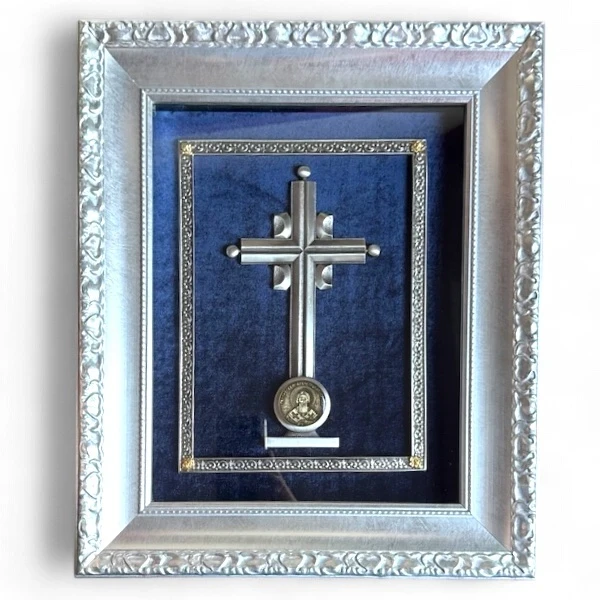


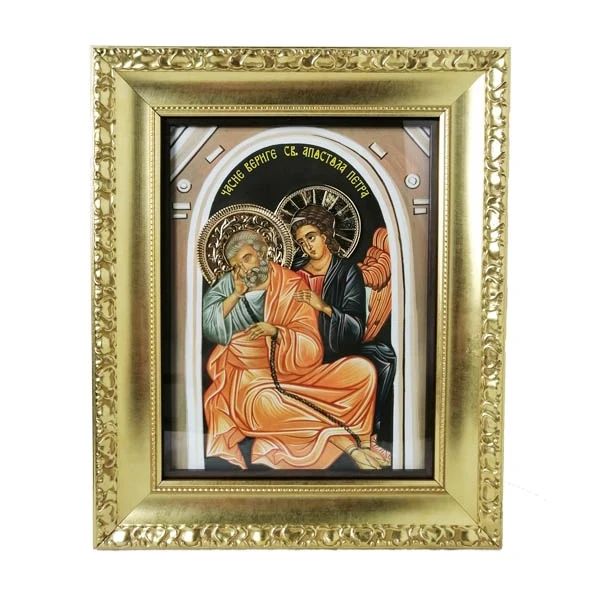
Veneration of the Precious Chains of St. Peter (January 29th)
This feast commemorates the miraculous event when the chains binding the Apostle Peter in prison fell off him upon the appearance of an Angel.
- Symbolism of Freedom: It is celebrated not just as a remembrance of the Apostle, but as a symbol of liberation from troubles and captivity.
- Folk Customs: In Serbian folklore, this day is associated with the protection of the household and livestock. It marks the time when the "chains of winter" begin to loosen, signaling the slow approach of spring.
- Gifting: Families celebrating this Slava appreciate traditional gifts like an Icon of St. Peter or home blessing items such as incense and charcoal.
Complete Slava Sets: Everything You Need in One Place
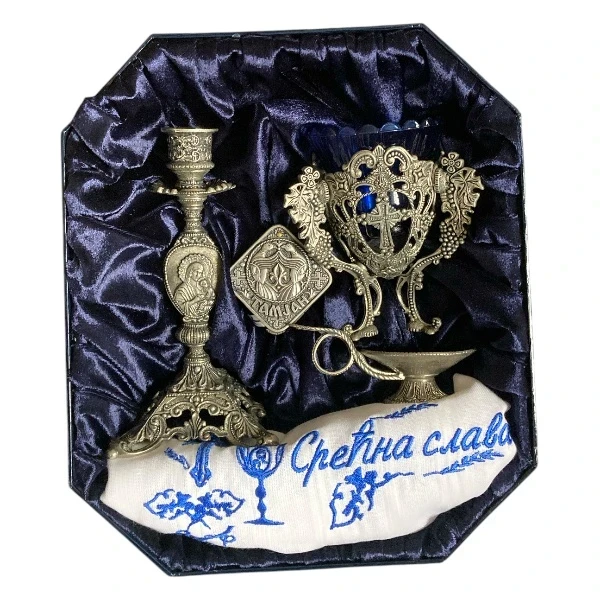
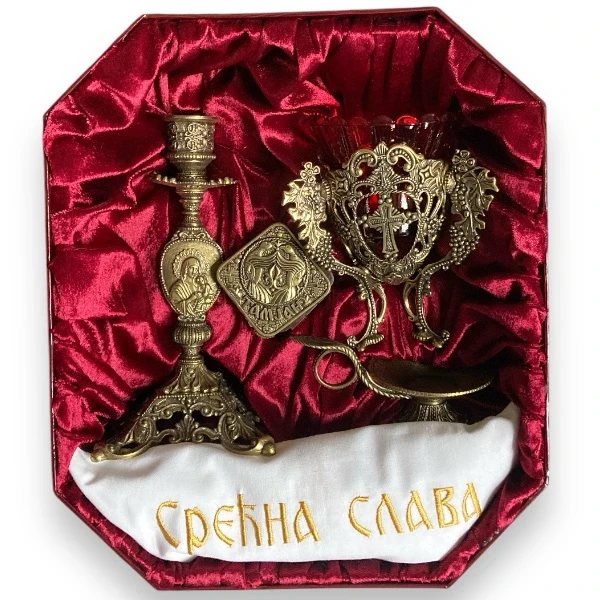
Preparing for a January Slava involves selecting several essential spiritual items. To make this process seamless for our Diaspora and international customers, Serbian Shop offers Complete Slava Sets.
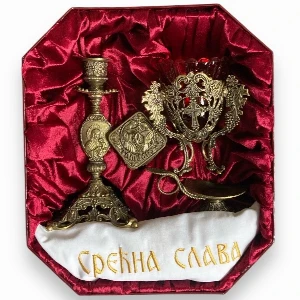
- What’s Included? Our sets typically feature a table cresset, candle stand, an incense burner (kandilo) and a shelter.
- Artisan Craftsmanship: Every item is produced in traditional art workshops, ensuring authentic Serbian quality for your home altar.
- Worldwide Shipping: We deliver these complete sets directly to your doorstep in the USA, Canada, or Europe, carefully packed to ensure they arrive in perfect condition.
- Expert Tip: A complete Slava set is a prestigious and thoughtful gift for families starting their tradition or for those looking to upgrade their home's spiritual corner with coordinated, high-quality items.
Related products
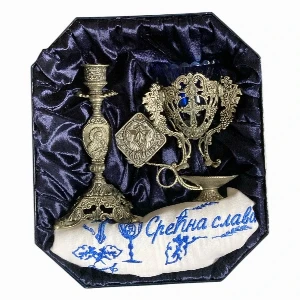
Complete 5-Piece Slava Ritual Set – Antique Silver Patina
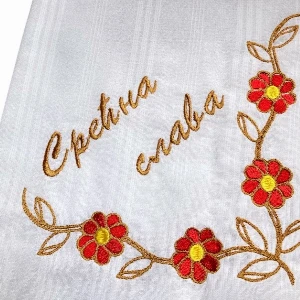
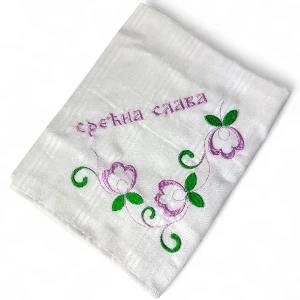
Cloth for the slava cake, red embroidery - Serbian cloth - HAPPY CELEBRATION
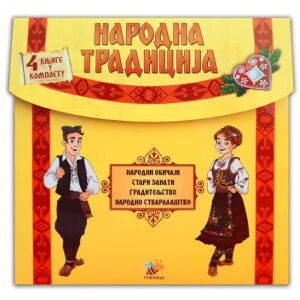
NARODNA TRADICIJA - KOMPLET - Stajka Rajic I Ivana Stankovic
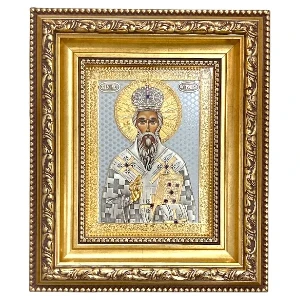
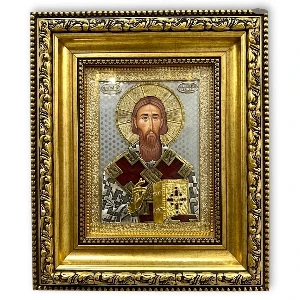
Saint Sava Orthodox Metal Icon (42 x 36 cm)
Read also
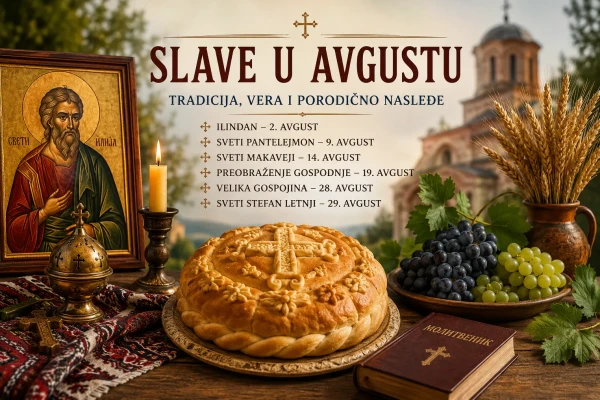
Orthodox Feast Days and Family Slavas in August – Calendar, Traditions and Meaning
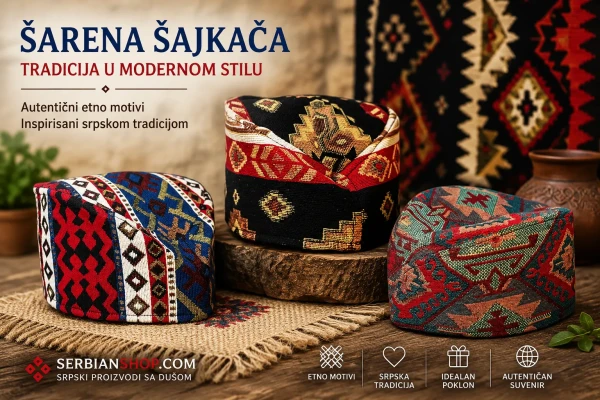
Colorful Šajkača – Serbia's Traditional Hat in a Modern Style
A Guide to Serbian Wedding Customs
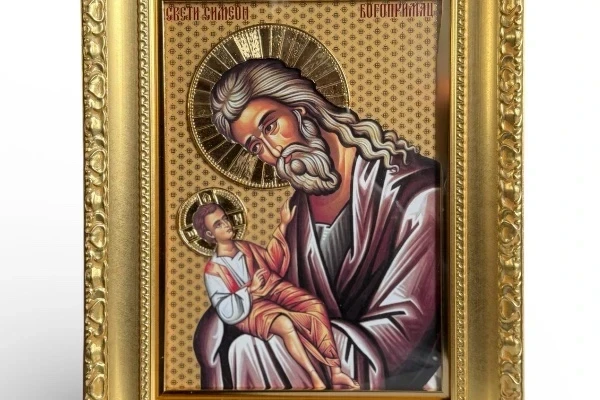
St. Simeon the God-receiver and Anna the Prophetess – The Witnesses of Christ
Saint Simeon the God-receiver: The Righteous Witness of the Promised Messiah
…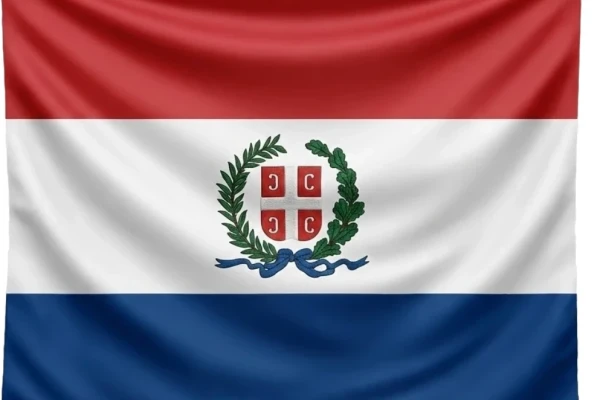
The Meeting of the Lord (Sretenje) – Serbian Statehood Day & Traditions
Sretenje: The Encounter of God and Man & the Celebration of Serbian Liberty
…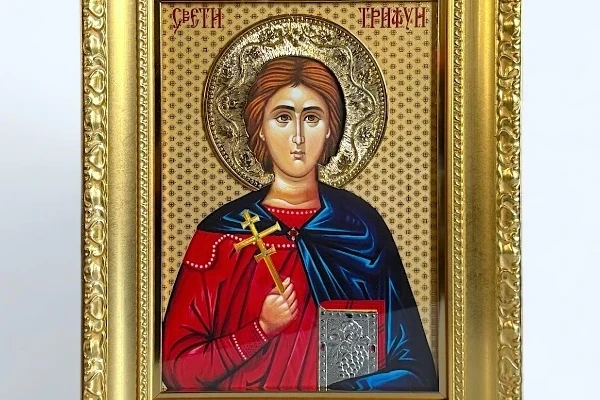
Slava St. Tryphon – Patron of Vineyards, Customs and Tradition
Saint Tryphon: The Guardian of Vineyards and the Orthodox Tradition of Love
…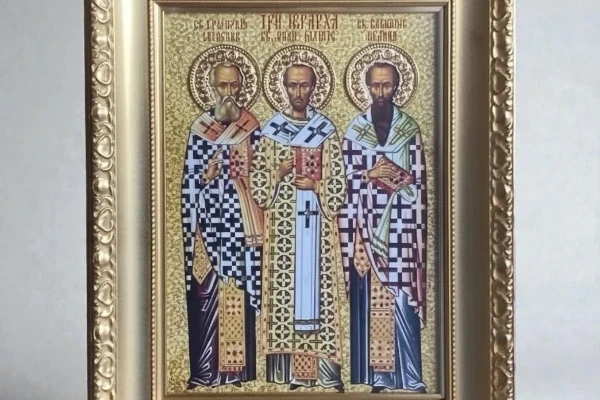
The Three Holy Hierarchs – Basil the Great, Gregory the Theologian, and John Chrysostom
The Three Holy Hierarchs: The Pillars of Orthodox Wisdom and Unity

Serbian Water Polo: Fun Facts, History, and Champions' Gear
When you mention Serbian sports, the first associations with absolute dominance,…
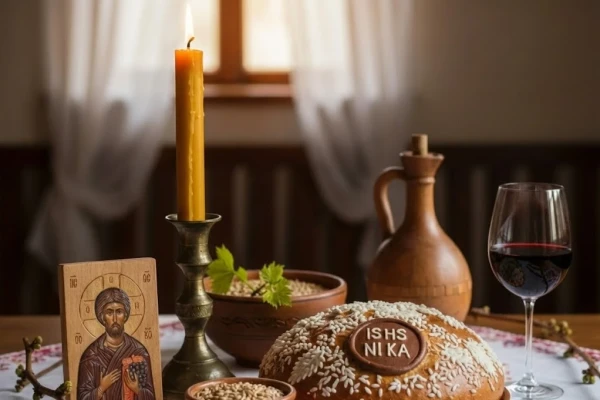
Serbian Slava in February: Celebrating Faith and Identity
February, though the shortest month, is rich with significant Patron Saint Days…